

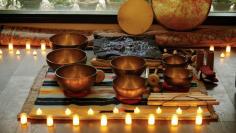
How Frequently Should You Practice Sound Healing Therapy for Optimal Results? Sound Healing Sound has a remarkable ability to shape our emotions, thoughts, and reactions. Whether it’s calming music or rhythmic vibrations, the body naturally responds to sound. This is where sound healing therapy comes into play—it uses specific frequencies and instruments to help the mind and body relax, reset, and reconnect. A common and important question people ask is: how often should you practice sound healing to see real results? The answer depends on your goals, lifestyle, and what you’re trying to address. Let’s break it down in a simple, practical way so you can find what works best for you. Understanding How Sound Healing Works Sound healing operates through vibration. Instruments such as singing bowls, gongs, tuning forks, and chimes create frequencies that interact with your body’s energy system. These vibrations can: Calm the nervous system Shift brainwave activity into a relaxed state Support emotional release Improve mental clarity This is why many people turn to sound healing for stress and anxiety relief—the body responds naturally, without effort. So, How Often Should You Practice Sound Healing? There’s no fixed rule, but here’s a practical guideline: 1. Beginners: Once a Week If you’re just starting out, one session per week is ideal. It allows your body to gradually adjust and helps you observe how you feel after each session. Benefits include: Building consistency Recognizing emotional patterns Establishing a relaxation routine Think of it as training your mind to slow down. 2. For Stress and Anxiety: 2–3 Times a Week If you’re managing ongoing stress or anxiety, more frequent sessions can be beneficial. Practicing 2–3 times a week can: Regulate mood more effectively Reduce mental overload Encourage deeper relaxation Over time, repeated sessions make it easier to enter a calm state quickly. 3. For Deeper Healing: Guided Programs If your focus is emotional release or personal growth, structured sessions with a practitioner are helpful. Many programs are designed to: Progress gradually over weeks Build on each session Provide guided support This approach is ideal if you want deeper transformation and consistency. 4. For Maintenance: Once or Twice a Month Once you feel balanced, you can reduce frequency. At this stage, sound healing becomes a maintenance practice. Monthly or bi-monthly sessions can: Keep stress levels manageable Maintain emotional balance Provide a periodic reset Signs You May Need More Frequent Sessions Constant stress or restlessness Irregular sleep patterns Difficulty switching off mentally Intense or unpredictable emotions Signs You Can Reduce Frequency Feeling calm most days Improved sleep and focus Better stress management Longer-lasting effects after sessions What Influences Your Results? 1. Consistency over intensity Regular weekly sessions are more effective than irregular bursts. 2. Your mental state during sessions Being relaxed and open enhances the experience. 3. Type of session Group sessions, one-on-one therapy, and guided programs offer different benefits. 4. Lifestyle factors Sleep, diet, and stress levels impact how your body responds. Benefits of Regular Sound Healing With consistent practice, you may notice: Improved sleep quality Reduced anxiety and mental fatigue Greater emotional clarity A deeper sense of calm Over time, these small changes can significantly improve your daily well-being. A Simple Plan to Follow Weeks 1–4: One session per week Weeks 5–8: Increase to two sessions if needed After 2 months: Adjust based on your experience This flexible approach helps you gain benefits without overdoing it. Why the Right Environment Matters The setting and guidance play a crucial role in your experience. Working with trained practitioners ensures a safe and supportive environment, helping you get the most out of each session. Conclusion Finding the right frequency for sound healing isn’t about strict rules—it’s about understanding your needs and adjusting accordingly. Starting with weekly sessions and adapting over time is a practical approach. With consistency, sound healing can become a valuable tool for maintaining mental and emotional balance. Frequently Asked Questions 1. Is sound healing the same as meditation? Not exactly. Meditation focuses on awareness, while sound healing uses external vibrations to guide relaxation. 2. What is sound healing? It’s a practice that uses sound frequencies from instruments like singing bowls and gongs to influence the body and mind. 3. Who should avoid sound healing? Individuals with conditions like severe epilepsy, sound sensitivity, or implanted medical devices should consult a professional first. 4. Are there any disadvantages? Some people may experience emotional release, mild discomfort, or fatigue temporarily. 5. How does it work? Sound healing works through vibration, influencing brainwaves and the nervous system to bring the body into a calmer, balanced state.

Thumb

0 repins 0 comments

Many people go through life guided by thoughts they never consciously chose. Over time, these thoughts develop into beliefs that influence decisions, reactions, and expectations. Among these, limiting beliefs are the ones that hold individuals back. They create hesitation, self-doubt, and a sense of being stuck. The challenge is that these beliefs often feel completely true, even when they are not. Theta Healing offers a deeper approach to addressing these patterns. Rather than trying to change thoughts at the surface level, it works with the subconscious mind—where these beliefs are originally formed. How Limiting Beliefs Develop Limiting beliefs often begin early in life. A single experience, repeated feedback, or an emotionally intense moment can shape a lasting internal narrative. For instance, a minor failure might lead to the belief, “I am not capable.” Over time, similar experiences reinforce this idea, making it feel permanent. This is why simply trying to think positively doesn’t always create change—the underlying belief still exists. Through Theta Healing classes, individuals learn to identify these hidden patterns and bring them into awareness, which is the first step toward transformation. Accessing the Theta State Theta Healing works by guiding the mind into a deeply relaxed state known as the theta brainwave state. In this state, the mind becomes calm, focused, and more open to change. A certified Theta Healing instructor helps individuals enter this state and supports them in identifying subconscious beliefs. One of the most surprising aspects is how quickly these patterns surface. Beliefs that once felt normal or unnoticed begin to stand out clearly. Reprogramming Beliefs at the Root The true strength of Theta Healing lies in addressing limiting beliefs at their core. Understanding the Origin Through practices like DNA Theta Healing, individuals explore deeper layers of their belief systems and gain insight into how these patterns were formed. Releasing Old Connections Many limiting beliefs are tied to past experiences. Releasing these emotional associations creates space for new perspectives. Choosing Empowering Beliefs Once identified, limiting beliefs can be replaced with ones that support growth, confidence, and clarity. Building Mental Stability As new beliefs are reinforced, they begin to feel natural, leading to a more balanced and grounded mindset. Learning Theta Healing with Cosmicx Healing Art The environment in which you learn plays a significant role in how effectively you understand and apply Theta Healing. A structured and supportive setting makes it easier to work with subconscious patterns. Cosmicx Healing Art provides such an environment, focusing not just on theory but on practical application. Learners are encouraged to actively work through their own belief systems, making the process more personal and impactful. Through guided Theta Healing classes, students are supported step by step, helping them understand how beliefs are formed and how they can be transformed. The sessions are interactive, allowing for real-time application rather than passive learning. Working with a certified Theta Healing instructor also brings clarity and direction, especially for beginners. Complex concepts are simplified into actionable steps, making the learning process more approachable. A strong emphasis is placed on self-awareness. The goal is not just to learn a technique, but to gain a deeper understanding of personal patterns and responses—making it easier to apply these insights in everyday life. Over time, the benefits become evident in subtle yet meaningful ways. Thoughts feel lighter, decisions become clearer, and confidence begins to grow naturally. What Changes You May Notice Reprogramming limiting beliefs often leads to noticeable improvements in daily life, such as: Greater clarity in decision-making Reduced self-doubt Increased confidence More balanced emotional responses A stronger sense of direction These changes develop gradually, as Theta Healing works at the root level rather than just addressing surface behaviors. A New Approach to Personal Growth Many people try to change their habits first. Theta Healing takes a different approach by focusing on beliefs. When beliefs begin to shift, actions follow naturally. This creates more stable and lasting change. Rather than forcing new ways of thinking, the process encourages understanding what already exists—and consciously choosing what to keep or release. Start Your Theta Healing Journey If you’re ready to move beyond repeating patterns and gain a deeper understanding of your mind, guided learning can make a meaningful difference. Release old limitations and begin reshaping your mindset with Cosmicx Healing Art. Explore Theta Healing courses in Delhi and take the first step toward lasting transformation with expert guidance. FAQs About Limiting Beliefs and Theta Healing Q1. What are limiting beliefs in Theta Healing? Limiting beliefs are subconscious thoughts that restrict growth or create self-doubt. Theta Healing helps identify and replace these beliefs with more supportive ones. Q2. Can Theta Healing help with trauma-related beliefs? Yes, it can help uncover beliefs formed through past emotional experiences and support their release in a gentle and effective way. Q3. How quickly can limiting beliefs change? Some people notice changes quickly, while others experience gradual progress. The timeline depends on the depth of the belief and individual readiness. Q4. What are the benefits of reprogramming limiting beliefs? It can lead to improved confidence, clearer thinking, emotional balance, and better decision-making.

Thumb

0 repins 0 comments

Today, people are seeking wellness practices that feel genuine, purposeful, and deeply supportive. Stress feels more intense, emotions feel amplified, and the mind rarely finds time to truly rest. As a result, many individuals are turning toward self-healing therapy to reconnect with their inner world. It offers practical tools that can be used daily—tools that help people understand their emotions, steady their thoughts, and create a sense of inner calm. More than anything, people want to feel lighter from within. Self-healing therapy offers a personal and achievable path toward that feeling, which is why it has become one of the most impactful wellness movements of 2026. The Growing Role of Self-Healing in Modern Wellness Modern life has become a nonstop cycle. Early mornings, long commutes, constant responsibilities, late-night screen time, and pressure to remain productive leave very little space for mental stillness. Eventually, many people find themselves asking, Why does my mind feel exhausted even on days when I haven’t done much? Self-healing therapy helps answer that question. It teaches individuals how to work with their inner experiences. Rather than suppressing thoughts or avoiding emotions, people learn to observe and understand them. They also learn breathing techniques, energy-calming practices, and ways to cultivate emotional stillness—even during busy days. This is why more people are enrolling in self-healing classes, attending self-healing workshops, and exploring guided self-healing courses. These structured learning spaces feel supportive and approachable, especially for beginners seeking clear and gentle guidance. Why Self-Healing Has Become a Wellness Priority in 2026 1. A need for grounding and emotional stability Quick relaxation fixes no longer feel enough. People want lasting emotional balance. Self-healing for emotional well-being helps individuals observe their feelings with awareness and gradually soften emotional reactions. 2. Rising levels of stress and anxiety Work demands, relationships, expectations, digital overload, and constant connectivity contribute to emotional fatigue. Many people are looking for ways to calm their nervous system naturally. Self-healing for stress and anxiety offers gentle practices that allow the body to relax without dependency on external solutions. 3. Increased interest in self-awareness Understanding emotional patterns has become a key wellness goal. People want to know why certain emotions arise or why specific triggers affect them deeply. Self-healing therapy helps uncover these insights. 4. Greater openness to energy wellness Energy-based practices are now widely accepted across age groups. People increasingly recognize the connection between emotional discomfort and energy flow, making self-healing approaches feel more accessible. 5. The comfort of guided learning Professionally taught self-healing courses remove confusion and build confidence. Each technique is explained step by step, allowing beginners to feel safe and supported throughout the process. The Wider Benefits of Self-Healing Therapy Self-healing therapy goes beyond temporary relaxation. With consistent practice, it supports multiple layers of inner well-being and creates steady, long-term change. 1. Emotional stability People become calmer and less reactive, learning how to process emotions without feeling overwhelmed. 2. Mental clarity Self-healing practices reduce mental noise, helping thoughts feel more organized and manageable. 3. Natural stress relief Breathing and grounding techniques soothe the nervous system, easing emotional tension and physical heaviness. 4. Improved sleep As emotional stress decreases, sleep quality improves, leading to more refreshed mornings and balanced moods. 5. Stronger intuition Inner clarity strengthens personal guidance, helping individuals make decisions with greater confidence. 6. Emotional resilience Challenges become easier to handle, and recovery from difficult moments feels more balanced. 7. Increased energy As emotional heaviness lifts, the body naturally feels more energized and capable. 8. A deeper self-connection People build a more honest relationship with their thoughts, feelings, fears, and hopes—forming the foundation of lasting healing. Even small improvements in a few of these areas can transform how someone experiences their day. How to Begin Your Self-Healing Journey Starting is simple. Self-healing doesn’t require special tools or long hours of practice. Gentle ways to begin include: Practicing slow, mindful breathing Sitting quietly with your thoughts for a few minutes each day Writing down emotions that feel heavy or unclear Using grounding techniques during stressful moments Joining a self-healing workshop for authentic guidance Exploring guided meditations and visualization Staying consistent with small, daily practices How Cosmicx Healing Art Supports Your Journey Cosmicx Healing Art plays an important role in this growing wellness movement. The center offers a peaceful, supportive space where individuals learn authentic self-healing techniques with gentle guidance. The approach is personal, practical, and designed for everyday life. The focus is on simple practices that participants can continue using independently after sessions. This builds confidence, emotional independence, and inner stability. Each session includes clear explanations, step-by-step guidance, and real techniques that support emotional clarity, mental balance, and inner peace. Self-healing is taught in a way that feels natural, safe, and easy to integrate into daily routines—making it accessible even for complete beginners. Why 2026 Represents a Cultural Shift Wellness is now understood as something that grows from within. External solutions may help temporarily, but inner stability creates lasting change. Self-healing aligns perfectly with this new perspective. It can be practiced at home, during work breaks, while traveling, or before sleep. Rather than disrupting daily life, it adapts to it. This shift shows that self-healing is no longer just a trend—it is becoming an essential part of emotional and mental well-being. Ready to Begin? If you’re looking to learn self-healing techniques with experienced guidance, we offer calm sessions, structured programs, and practical tools to help you feel grounded and emotionally balanced. Begin your journey today. FAQ What are some effective self-healing techniques? Breathwork, meditation, journaling, grounding practices, body scanning, visualization, and energy balancing are among the most effective methods for emotional clarity and inner comfort. Can meditation help with depression? Meditation supports emotional awareness and mental calm. For clinical depression, professional medical care is essential, but meditation can be a helpful complementary practice. What techniques support emotional or psychological self-healing? Mindful breathing, reflective journaling, grounding exercises, affirmations, gentle movement, inner child work, and structured self-healing sessions help process emotions in a healthy way. How do you activate your self-healing abilities? Through slow breathing, emotional awareness, simple energy practices, and consistent mindfulness. With regular practice, the mind and body naturally begin restoring balance.

Thumb

0 repins 0 comments

Living with the effects of past trauma can quietly influence the body, thoughts, and emotional reactions long after the experience itself has ended. Many individuals live with ongoing alertness, emotional weight, or a lingering difficulty feeling safe, even in peaceful settings. Reiki therapy offers a gentle, non-invasive form of support for those seeking emotional balance and inner calm—without the need to relive painful memories. This practice works by helping the nervous system settle. Rather than processing trauma through discussion, Reiki supports the body through subtle energy work, encouraging relaxation and the gradual release of stored tension at a pace that feels safe. Understanding Reiki as a Trauma-Support Practice Reiki is a Japanese energy healing method that supports the body’s natural life-force energy. During a session, the practitioner places their hands lightly on or just above the body, allowing energy to flow where support is needed most. For people with a history of trauma, this gentle, non-intrusive approach can feel more comfortable than talk-based therapies. Trauma often manifests physically—tight muscles, shallow breathing, and a nervous system stuck in a state of readiness. Reiki sessions help guide the body out of survival mode and into a calmer, more regulated state. This sense of internal safety is a vital foundation for healing. How Reiki Sessions Encourage Safety and Calm One of the most common challenges after trauma is the feeling that calm is either short-lived or unsafe. Reiki sessions are designed to be quiet, predictable, and respectful of personal boundaries. There is no pressure to share experiences or emotions verbally. Reiki supports safety and calm by: Encouraging deep relaxation through nervous system regulation Supporting emotional balance without re-triggering memories Helping release tension held in muscles and breath Creating a peaceful environment where the body feels supported Promoting better sleep and reducing emotional overwhelm Many people notice gentle changes such as slower breathing, lighter emotional states, and a greater sense of inner steadiness after sessions. Emotional Support During Trauma Recovery Reiki does not aim to remove memories. Instead, it supports a shift in how the body responds to them. With time and consistency, sessions may soften emotional reactions connected to past experiences. Common emotional benefits include: Reduced anxiety and restlessness Improved grounding and emotional clarity Greater ability to remain present A growing sense of self-trust Gentle emotional release without force These changes tend to unfold gradually, making Reiki a supportive long-term practice for emotional well-being. Physical Relaxation and Nervous System Support Trauma can contribute to chronic physical tension, fatigue, digestive issues, and recurring discomfort. Reiki activates the parasympathetic nervous system, allowing the body to rest, recover, and rebalance. Clients often experience: Relaxed muscles and deeper breathing Reduced stress-related body aches Improved energy balance Healthier sleep patterns A calmer physical response to everyday stress This physical ease plays an important role in emotional healing. Reiki Therapy Training and Personal Development For those interested in learning Reiki for personal healing or to support others, reiki therapy training offers a structured and mindful approach to energy work. Training focuses on self-healing, grounding practices, ethical session work, and emotional awareness—key elements when working with trauma-sensitive individuals. Many people choose Reiki training as part of their own healing journey, gaining practical tools for stress management, self-care, and emotional balance in daily life. Reiki Classes in Delhi and Accessible Learning Many individuals begin their journey through reiki classes in Delhi that emphasize both personal growth and professional practice. Learning in a guided setting allows students to experience Reiki directly, understand energy flow, and build confidence in self-practice. Classes often include grounding techniques, self-healing methods, and guidance on maintaining emotional boundaries, making them suitable even for beginners. A Gentle Path Toward Emotional Balance Reiki healing offers a compassionate, respectful approach for those recovering from past trauma. It honors personal boundaries, supports nervous system regulation, and allows emotional release to occur naturally and safely. Over time, Reiki can help rebuild trust within the body and create space for calm to return. If you feel drawn to experience or learn Reiki, explore sessions and classes through Cosmicx Healing Art. Contact us to learn more about upcoming classes, session options, and training opportunities—and take a gentle step toward balance, calm, and healing. FAQs About Reiki Healing Q1: Is it possible to heal someone from a distance without physical contact? Yes. Distance Reiki is based on the understanding that energy is not limited by physical space. Practitioners channel healing energy with focused intention, allowing recipients to experience support wherever they are. Many people report calming effects similar to in-person sessions. Q2: How many distance Reiki sessions can be done in one day, and is it safe? Distance Reiki is generally safe when practiced mindfully. Practitioners typically limit the number of sessions per day to maintain energetic balance. Listening to the body and staying grounded is essential. Q3: What are the benefits of Reiki healing for overall well-being? Reiki supports relaxation, emotional balance, stress relief, improved sleep, and mental clarity. Over time, it helps individuals respond more calmly to challenges and feel more connected to inner stability. Q4: Why do some Reiki practitioners choose not to use symbols? Some practitioners work intuitively or follow training lineages that emphasize intention-based healing rather than symbols. Both approaches can be effective, depending on the practitioner’s method and experience.

Thumb

0 repins 0 comments

Thumb

0 repins 0 comments