As wine connoisseurs know, Argentine wine was once famously bad. The grapes were overwatered, harvested in brutal heat, fermented in enormous cement pools, aged in antiquated oak vats, and then watered down and adulterated. The final product was industrial plonk, drinkable only on ice. But in 2001, a Cabernet Sauvignon / Malbec blend beat Napa and Bordeaux's finest in a blind taste test. Suddenly, Argentina emerged as a premier wine region with a champion varietal-what best-selling author Benjamin Wallace calls "the humble Malbec." How did this happen? Ian Mount's vivid journey through Argentina's Wild West explores the alchemy of weather, soil, and viticulture techniques that, on rare occasions, produce a legendary bottle of wine. He also investigates the dynamics of taste, status, and money that turned Malbec into a worldwide phenomenon. Profiling the larger-than-life figures who fueled the Malbec revolution-including celebrity oenologist Michel Rolland, acclaimed American winemaker Paul Hobbs, and the Mondavi-esque Catena family-Mount describes in colorful detail the brilliant innovations and backroom politics that put Malbec on the map. Set against the breathtaking backdrop of the snow-capped Andes and Mendoza's sweeping plains, The Vineyard at the End of the World tells the fascinating, four-hundred-year story of how a wine mecca arose in the Argentine desert. It is at once a sumptuous travel narrative, a riveting history of a fascinating region, and an intriguing business story in which a small group of passionate vintners remade their world.

Thumb

0 repins 0 comments

Look. Swirl. Sniff. Taste. Savor. Whether you re tasting a refreshing white or an aromatic red, these well-known steps are the only proper way to take the first sip of wine. Oenophiles have never been rare, but over the past decade, wine culture has exploded. Amateur wine enthusiasts join dedicated collectors at tastings and on vineyard vacations, and young professionals pack trendy wine bars. Even Hollywood has gotten in on the action movies like Sideways, Bottle Shock, and French Kiss relate the deep love we have for a glass of pinot noir, a bottle of chardonnay, and the grapes that produce them. But how did wine surpass all other beverages to achieve global domination? In Wine, Marc Millon travels back to the origins of modern man to find the answer, discovering that this heady drink is intertwined with the roots of civilization itself. Wine takes us from Transcaucasia some eight thousand years ago across the Mediterranean Sea, following wine as it spread along with classical civilization throughout Europe, and showing how, thanks to the myths of Dionysus and Bacchus, many of the major wine-producing regions were established in Western Europe. Millon then details how the Spanish conquistadors first brought European grapes to the New World to develop wines for the Catholic mass, and he depicts how wine production traveled to the distant lands of Australia and New Zealand. Today, it is even part of the burgeoning economies of India and China. Millon also explores the types of wine developed in each region, describing the many varieties of grapes and the process of fermentation and storage. Crisp and concise, with a hint of cherry and a soupcon of citrus, Wine provides the perfect introduction for wine novices seeking to impress at their first tasting while offering an engaging chronicle for experts looking to learn more about this most mysterious and magical of beverages.

Thumb

0 repins 0 comments

One summer night in 1808, Sobran Jodeau sets out to drown his love sorrows in his family's vineyard when he stumbles on an angel. Once he gets over his shock, Sobran decides that Xas, the male angel, is his guardian sent to counsel him on everything from marriage to wine production. But Xas turns out to be a far more mysterious character. Compelling and erotic, The Vintner's Luck explores a decidedly unorthodox love story as Sobran eventually comes to love and be loved by both Xas and the young Countess de Valday, his friend and employer at the neighboring chateau.

Thumb

0 repins 0 comments

An all-inclusive guide to wine, beer, and spirits As people develop more sophisticated tastes, a basic understanding of wine, beer, and distilled spirits is more important than ever for chefs, servers, bartenders, and restaurant managers. And for anyone who simply wants to get more out of enjoying wine, beer, and spirits, developing an appreciation for the history, production methods, and techniques for evaluating alcoholic beverages is an essential first step. For professionals and amateurs alike, Beverage Basics provides a thorough and accessible education in the fundamentals. Beverage Basics covers the art and science of winemaking from the vineyard to the table, takes a comprehensive look at the production methods, styles, and ideal food pairings for beer and spirits, and even covers the often-overlooked issues of health and the law. Written by wine and spirits expert and educator Robert W. Small, the book offers expansive coverage of everything you need to know about virtually all of the world's common alcoholic drinks. Offers a uniquely user-friendly approach to the subject of wine, organizing coverage by varietal rather than appellation Written by Robert W. Small, former dean and emeritus professor of The Collins College of Hospitality Management at California State Polytechnic University, Pomona, and Chairman of the Los Angeles International Wine competition Heavily illustrated with gorgeous full-color photographs, maps, and sample beverage labels Covering everything from ancient origins to modern drinking habits, Beverage Basics is the perfect all-in-one guide for food and beverage professionals, students, and wine and drink lovers.

Thumb

0 repins 0 comments

?A must-have book for anyone who is serious about Italian wines. Lidia Bastianich, host of PBS s Lidia s Italian Table? I have yet to encounter more knowledgeable guides to. Italian wine. Piero Antinori, President, Antinori Wines? Bravo to Ed and Mary! This book shows their love for Italy, the Italian producers, and the great marriage of local foods with local wines. Here is a great book that presents the information without intimidation. Piero Selvaggio, VALENTINO Restaurant Right now, Italy is the most exciting wine country on earth. The quality of Italian wines has never been higher and the range of wines has never been broader. Even better, the types of Italian wines available outside of Italy have never been greater. But with all these new Italian wines and wine zones not to mention all the obscure grape varieties, complicate blends, strange names and restrictive wine laws Italian wines are also about he most challenging of all to master. The time has come for comprehensive, up-to-date guides to Italian wines. Authored by certified wine educators and authors Ed McCarthy and Mary Ewing-Mulligan, Italian Wine For Dummies introduces you to the delectable world of fine Italian wine. It shows you how to: Translate wine labels Identify great wine bargains Develop your own wine tastes Match Italian wines with foods Here s everything you need to know to enjoy the best Tuscans, Sicilians, Abruzzese and other delicious Italian wines. This lighthearted and informative guide explores: The styles of wine made in Italy and the major grape varieties used to make them How the Italian name their wines, the complicated laws governing how names are given and the meanings of common label terminology Italy s important wine regions including a region-by-region survey of the best vineyards and their products A guide to pronouncing Italian wine terms and names and how to order Italian wines in restaurants For Italians, wine (vino) is food (alimentari) and food is love (amor

Thumb

0 repins 0 comments

Over the past several decades, consumer interest in the fine vintage wines produced by small "boutique" vintners across the United States has grown to rival that of many European estates. This attention continues to intensify, especially for the truly good wines that are reasonably priced. Consumers are, however, unforgiving" especially wine enthusiasts. Second-class wines do not succeed just because a vintner is new. The methods and controls essential to vintners in the production and marketing of top-grade wines have advanced. This second edition of Winemaking has updated and, in some cases, completely revised the material associated with these disciplines. Fine wine is much like other art forms, as it is the infinite variability of factors pertaining to the subject that renders it so complex-and able to attract buyer's attention. Hundreds of different vine varieties are cultivated around the world, and no doubt an even greater number of fruit and berry cultivars. Andwith the addition of such factors as terroir (soil and climate attributes) changing every vintage season, varied vineyard cultivation and harvesting techniques, advancing production technology, dynamic markets, and overall operational philosophy, one can easily understand the enormous breadth and depth of variation that exists. This diversity generates an unimaginable number of different wine possibilities.

Thumb

0 repins 0 comments

Whether you are an avid collector or wine novice, this book offers an extensive resource in an accessible format."-Charlie Trotter, Acclaimed Chef and Award-Winning Author"This book is an invitation to discover the bountiful wine regions, each different from one another, and is an homage to the beauty and uniqueness of the delicious wines they produced."-Georges Duboeuf, Les Vins Georges Duboeuf"The diversity of French wine is one of its attractions, but it can seem perplexing. until you pick up this marvelous guide. The route is well -marked, easy-to-follow, and the destinations are delicious."-Kermit Lynch, Wine Merchant and author, Adventures on the Wine Route".Ed McCarthy and Mary Ewing-Mulligan lead us by the hand down the road of adventure to discover the wines of France that they know so well. In their relaxed, wise, and mischievous way, they show us the joy and pleasure of drinking French wine."-Prince Alain de Polignac, Winemaker, Champagne PommeryYou no longer need to be confused or intimidated by French wine. Authored by certified wine educators and authors Ed McCarthy and Mary Ewing-Mulligan, French Wine For Dummies introduces you to the delicious world of fine French wine. Among other things, you'll discover how to: Translate wine labels Identify great wine bargains Develop your own wine tastes Match French wines with foods Here's everything you need to know to sip and savor the best-and the best-value-Bordeaux, Burgundy, Beaujolais, Alsace, and other delicious wines. This lighthearted and informative guide covers: The story of French wine and how it came to dominate the wine world How the French name and label their wines and why France's most important wine regions-including a region-by-region survey of the best vineyards and their products France's other wine regions, including Champagne, Alsace, the Loire Valley, and others So pour yourself a big glass of Beaujolais Nouveau, sit back, and enjoy the ride as Ed McCarthy and Mary Ewing-Mulligan take you on an intoxicating journey through the wonderful world of French wine.

Thumb

0 repins 0 comments

A look at the history and culture of food, wine, and culinary culture in southern Ontario's Niagara region. The Niagara region has a unique culinary history and tradition. From its mild microclimate that supports the cultivation of tender fruits - peaches, cherries, and more - to its role as the birthplace of the Canadian wine industry and home to a new generation of trailblazing chefs and restaurateurs, the Niagara region boasts a food and wine heritage that rivals any in North America. Niagara food writer, advocate, and activist Tiffany Mayer provides a thoughtful look at the many elements of Niagara's culinary past and present, including the planting of the first orchards and vineyards, the rise and fall of the local canning industry, the artisans responsible for crafting the region's most beloved food products, and the Greenbelt Act, which protects more than a million acres of the area's most precious agricultural land.

Thumb

0 repins 0 comments

As one of Western civilizations formative symbols, it's safe to say that most who came of age in the West have heard the New Testament account of Jesus turning water into wine. But few know how important wine and its production was to ancient Israelites, and how its inextricable place in their lives is reflected in the Biblical narrative. Jabier Marquinez gives readers a unique insight into this historical winemaking world with direct references from the Old and New Testament which relay such intricate details as: Specific vineyard practices from grafting and pruning to watering and fertilizing. Ethical labour agreements with foreign vineyard workers. Vineyard pests and proper abatement techniques. Harvesting, blending and storage procedures. Ancient winery technology. The USE of wine as medicine and dyes. Why a farmer with an active vineyard was entitled to a military service exemption. Wine in the Bible is a fascinating examination of the daily working lives and practices of Biblical-era winemakers, and wine drinkers.

Thumb

0 repins 0 comments

Hating life in a cubicle where the only greenery is that of the mold growing on the rungs of the corporate ladder? Feel as if you ve graduated with honors into a nation-wide hiring deep freeze? Wine was one of the very few U.S. industries that experienced growth in 2008. Is wine recession-proof as many believe? Not entirely. But even in these times of pervasive layoffs and cutbacks wineries and wine related businesses are creating job prospects every day and in a variety of skill applications from agricultural work to marketing and business. How to Launch Your Wine Career is the first book of its kind. Written by successful and respected industry professionals it gives practical, real-world advice on how to land, develop and succeed in a career in: Wine Making Wine Production Vineyard Management Wine Marketing & Sales Wine Public Relations Wine Writing Wine Education Winery Management & Administration Direct to Consumer Sales Winery Supplier Wine Marketing with a Distributor or Retailer Including interviews with some of wine s most prominent figures, like winemaker Heidi Barrett, and wine writer James Laube of the Wine Spectator, about how they made it, the book builds a career from the ground up, explaining job descriptions, educational and skill requirements, the career ladder, how to get started, and job hunting strategies. Each chapter ends with a helpful resource guide of available conferences, books, and websites. The appendix provides a detailed Action Plan Worksheet to help the prospective applicant plan, plot progress and nail that killer wine industry job.

Thumb

0 repins 0 comments

Published in 1994 to worldwide acclaim, the first edition of Jancis Robinson's seminal volume immediately attained legendary status, winning every major wine book award including the Glenfiddich and Julia Child/IACP awards, as well as writer and woman of the year accolades for its editor on both sides of the Atlantic. Combining meticulously-researched fact with refreshing opinion and wit, The Oxford Companion to Wine presents almost 4,000 entries on every wine-related topic imaginable, from regions and grape varieties to the owners, connoisseurs, growers, and tasters in wine through the ages; from viticulture and oenology to the history of wine, from its origins to the present day. The 187 esteemed contributors (including over 50 new to this edition) range from internationally renowned academics to some of the most famous wine writers and wine specialists in the world. Now exhaustively updated, this fourth edition incorporates the very latest international research to present over 350 new entries on topics ranging from additives and wine apps to WSET and Zelen. Over 60 per cent of all entries have been revised; and useful lists and statistics are appended, including a unique list of the world's controlled appellations and their permitted grape varieties, as well as vineyard area, wine production and consumption by country. Illustrated with almost 30 updated maps of every important wine region in the world, many useful charts and diagrams, and 16 stunning colour photographs, this Companion is unlike any other wine book, offering an understanding of wine in all of its wider contexts-notably historical, cultural, and scientific-and serving as a truly companionable point of reference into which any wine-lover can dip and browse.

Thumb

0 repins 0 comments

Wherever grapevines are cultivated, this book will be welcome because it fills a long-standing need for a clear, concise treatment of modern viticulture. During the past fifty years, more progress has been made in the science and art of growing grapes for table use and raisin or wine production than in any previous century. This new edition has been revised throughout. The chapters on vine structure, vine physiology, the grape flower and berry set, development and composition of grapes, and means of improving grape quality add to our knowledge of the vine and its functions. The text is designed to enable those concerned with either vine or fruit problems to arrive at considered diagnoses. The student will find the text and the cited references a comprehensive source of information. The grape and allied industries should welcome the updating of the major portion of the book. Here the emphasis is on modern practices in vineyard management in arid and semi-arid regions with special reference to California. Full and detailed treatment is provided or propagation, supports, training young vines, pruning, cultivation and chemical weed control, irrigation, soil management, diseases and pests, and harvesting, packing and storage. The practices recommended in the book are based on the extensive research conducted in California and elsewhere by the authors and their distinguished colleagues. Examples of practices based on experiments are: methods of propagation which by-pass the usual one-year-in-the-vine-nursery; pruning as related to leaf area and time of leaf functioning, and its effect on berry set and fruit development; virus disease control through thermotherapy and soil fumigation; pests held in check by sanitary, chemical, and biological procedures; irrigation practices as related to soil texture. Tissue analyses are employed as guidelines indicating the mineral deficiencies or excesses of vines. Machine harvesting of raisins (with cane cutting) and some wine grape varieties with problems are described. The regional recommendations for table and raisin varieties are based on log years of observations, while those for wine grapes are the results of studies of the interrelation of variety and the heat summation of the different climatic areas. No one concerned with the cultivation of grapes can afford to be without this book.

Thumb

0 repins 0 comments

A leading importer of limited-production wines of character and quality takes us on an intimate tour through family-owned vineyards in France and Italy and reflects upon the last three decades of controversy, hype, and change in the world of wine In the late 1970s, Neal I. Rosenthal set out to learn everything he could about wine. Today, he is one of the most successful importers of traditionally made wines produced by small family-owned estates in France and Italy. Rosenthal has immersed himself in the culture of Old World wine production, working closely with his growers for two and sometimes three generations. He is one of the leading exponents of the concept of terroir-the notion that a particular vineyard site imparts distinct qualities of bouquet, flavor, and color to a wine. In Reflections of a Wine Merchant, Rosenthal brings us into the cellars, vineyards, and homes of these vignerons, and his delightful stories about his encounters, relationships, and explorations-and what he has learned along the way-give us an unequaled perspective on winemaking tradition and what threatens it today. Rosenthal was featured in the documentary film Mondovino and is one of the more outspoken figures against globalization, homogenization, and the critic-ization of the wine business. He was also a major subject in Lawrence Osborne's The Accidental Connoisseur. His is an important voice in defense of the individual and the artisanal, and their contribution to our quality of life.

Thumb

0 repins 0 comments

You care about where your food comes from. How about your wine? - A charismatic guide to understanding environmentally-friendly wines - from defining labels to reviewing vineyard practices - Features personally-tested profiles of sustainable wines that everyone needs to try - California, Washington, and Oregon rank #1 - 3 nationally as having the most wineries per state Most people don"t want to think about their wine too much; they just want to enjoy it. At the same time, more and more people are thinking about where their food comes from. Why not ask the same questions about wine? It's a product that faces many of the same industry, environment, and economic issues as that sustainable steak or fresh home-grown salad on your plate. Traditional wine production is currently under threat from increasingly homogenized commercial processes and suffers from a large carbon footprint - from bottle and cork materials to water runoff and erosion. Many winemakers are starting to take environmental stewardship very seriously, changing how they grow grapes and make wine. With The Green Vine, wine expert Shannon Borg demystifies the terms of sustainable wine-making and lays out a simple guide to West Coast wines and wineries that use both historical and modern sustainable practices. She explains why it's important to consider how wine is produced and packaged, and why growing methods, soil health, and water resources matter. She then embarks on a wine-tasting tour of nearly 200 sustainable wineries in Washington, Oregon, Northern California, British Columbia, and Idaho - profiling the winemakers and farmers who are leading the Green Wine movement.

Thumb

0 repins 0 comments

Whether you enjoy the occasional glass of wine or you like to have one every night with dinner, Dan Amatuzzi's A First Course in Wine will provide you with everything you need to know about how to smell, taste, and enjoy fine wines. With stunning imagery and helpful diagrams throughout, you'll learn: *the science behind winemaking *how to interpret wine labels without stress *how to identify flavors in your wine *how to pair wines with foods *what to look for on restaurant wine lists *glossary of terms and a pronunciation guide *detailed information about vineyards and more Life is too short for wine you won't enjoy. Once you've taken this first course, you will read your restaurant's wine list with confidence and browse through the wine selection at your store with the knowledge that you're going to walk home with the perfect wine in hand. Dan Amatuzzi was the wine director at Mario Batali's OTTO before he became Eataly's beverage director. He studied wine production in Florence and was chosen to Zagat's inaugural class of New York's rising "30 under 30" culinary stars.

Thumb

0 repins 0 comments

In 2006, a British sparkling wine was voted best in the world. Sound too good to be true? It isn't. At the time of the compilation of the "Domesday Book" in the late 11th century, vineyards were recorded in 46 places in southern England, from East Anglia through to modern-day Somerset. By the time Henry VIII ascended the throne there were 139 sizable vineyards in England and Wales - 11 of them owned by the Crown, 67 by noble families and 52 by the church. It is not exactly clear why the number of vineyards declined subsequently. Some have put it down to an adverse change in the weather which made an uncertain enterprise even more problematic. Others have linked it with the dissolution of the monasteries by Henry VIII. Both these factors may have had some part to play but in all probability the decline was gradual (over several centuries) and for more complex reasons. It was not until after the Second World War that the wine business began a resurgence. An ever-increasing number of pioneers joined and during the 1960s, 70s and 80s, there was a rapid increase in the number of English vineyards to a figure well over 400 by the late 80s/early 90s. The total area under cultivation rose to more than 2,000 acres. The trade is now stable with some 300 vineyards spread over the length and breadth of Britain and is set to double production in the near future in order to cope with the huge demand for its wines. This is in sharp contrast to the state of vineyards elsewhere in the world, and is due to both improving weather conditions and perhaps even more so to the improvements in wine-making ability and grape-growing in the UK over the past few years. David Harvey has spent a year travelling around these vineyards, from Chateau de la Mare in Jersey to Leventhorpe in Yorkshire, and from the big challengers to Champagne, Nyetimber Vineyard in Sussex to great small producers like historic Tintern Parva in Wales. In this enlightening guide book, they are detailed and described along with tasting notes and product details. This is the one essential book you will need to learn about this fascinating but largely ignored trade.

Thumb

0 repins 0 comments

This illustrated introduction to Chinese wine explores the history of wine production in China, the legends and customs that surround it and its place in China today. Traditionally, Chinese wine and spirits were made from grain, and had three important uses: to perform rituals, to dispel one's worries and to heal. Today, wine is still believed to have a therapeutic benefit, but the Chinese beverage industry has expanded on a large scale and now includes famous brands of beer and, increasingly, vineyards producing red and white wine for global consumption. Chinese Wine is indispensable reading for both wine-lovers and all those with an interest in the transition from traditional to modern Chinese culture.

Thumb

0 repins 0 comments

One summer night in 1808, Sobran Jodeau sets out to drown his love sorrows in his family s vineyard when he stumbles on an angel. Once he gets over his shock, Sobran decides that Xas, the male angel, is his guardian sent to counsel him on everything from marriage to wine production. But Xas turns out to be a far more mysterious character. Compelling and erotic, The Vintner s Luck explores a decidedly unorthodox love story as Sobran eventually comes to love and be loved by both Xas and the young Countess de Valday, his friend and employer at the neighboring chateau.

Thumb

0 repins 0 comments

This beautiful and informative book reveals both the history and the distinctive characteristics of the 16 wines that comprise the Crus Classés (classified growths) of Bordeaux's Graves region. Named for the area's gravelly soil, Graves is known for its fine reds (primarily Cabernet Sauvignon) and whites (Sauvignon blanc and Sémillon). With individual chapters on each of the châteaux, including Haut-Brion, Bouscaut, Olivier, Pape Clément, Smith Haut Lafitte, Domaine de Chevalier, and 10 others, the book describes in detail the history of the estate and its wine production. Gorgeous photographs of the vineyards, the residences, and the surrounding countryside are accompanied by archival material that gives a sense of the great history of this area. As an added bonus, The Heart of Bordeaux features recipes created by some of the world's great chefs-Daniel Boulud, Pierre Gagnaire, and Eric Ripert among them-to complement one of the fine wines of Graves' classified growths.

Thumb

0 repins 0 comments

What we eat, where we eat, and how we eat: these questions are explored in this remarkable book, now with a new introduction contextualizing the atlas for 2013 and beyond. By providing an up-to-date and visually appealing understanding of important issues around global food and agriculture, The Atlas of Food maps out broad areas of investigation contamination of food and water, overnutrition, micronutrient deficiency, processing, farming, and trade to offer a concise overview of today's food and farming concerns. Buttressed by engaging prose and vivid graphics, Erik Millstone and Tim Lang convincingly argue that human progress depends on resolving global inequality and creating a more sustainable food production system.

Thumb

0 repins 0 comments

Tips for cooking in home or while camping. Tips for cast iron selection, care, and use. 150 recipes for all occasions. Written by Tracy Barr. Tons of information packed into 304 pages. The Lodge CBCID Cast Iron Cooking for Dummies helps you get the most out of your cast-iron cookware. Helpful tips for selecting, cleaning, caring, and seasoning are provided in clear, easy to understand English. Over 100 succulent recipes are included - from appetizers to desserts - as well as how-to guides for both indoor and outdoor cooking with grills or campfires. Each of the book's 360 pages is packed with novice-friendly information, making this book a necessity. About Lodge Cast IronThe oldest family-owned cookware foundry in America, Lodge Cast Iron was founded by Joseph Lodge in 1896. Located in South Pittsburg, Tenn, alongside the Cumberland Plateau of the Appalachian Mountains, Lodge is a family-operated business producing an extensive selection of quality cast iron goods, including Dutch ovens, the largest selection of cast iron skillets on the market, deep fryers, country kettles, and more. The legendary cooking performance of Lodge Cast Iron cookware keeps it on the list of kitchen essentials for great chefs and home kitchens alike. After more than 112 years in the business, Lodge cast iron cookware made generations ago is still in the kitchens of fourth generation cooks - proof that Lodge cast iron products can last more than a lifetime.

Thumb

0 repins 0 comments

An Unlikely Vineyard tells the evolutionary story of Deirdre Heekin's farm from overgrown fields to a fertile, productive, and beautiful landscape that melds with its natural environment. Is it possible to capture landscape in a bottle? To express its terroir, its essence of place—geology, geography, climate, and soil—as well as the skill of the winegrower? That's what Heekin and her chef/husband, Caleb Barber, set out to accomplish on their tiny, eight-acre hillside farm and vineyard in Vermont. But An Unlikely Vineyard involves much more. It also presents, through the example of their farming journey and winegrowing endeavors, an impressive amount of information on how to think about almost every aspect of gardening: from composting to trellising; from cider and perry making to growing old garden roses, keeping bees, and raising livestock; from pruning (or not) to dealing naturally with pests and diseases. Challenged by cold winters, wet summers, and other factors, Deirdre and Caleb set about to grow not only a vineyard, but an orchard of heirloom apples, pears, and plums, as well as gardens filled with vegetables, herbs, roses, and wildflowers destined for their own table and for the kitchen of their small restaurant. They wanted to create, or rediscover, a sense of place, and to grow food naturally using the philosophy and techniques gleaned from organic gardening, permaculture, and biodynamic farming. Accompanied throughout by lush photos, this gentle narrative will appeal to anyone who loves food, farms, and living well.

Thumb

0 repins 0 comments

An Unlikely Vineyard tells the evolutionary story of Deirdre Heekin's farm from overgrown fields to a fertile, productive, and beautiful landscape that melds with its natural environment. Is it possible to capture landscape in a bottle? To express its terroir, its essence of place-geology, geography, climate, and soil-as well as the skill of the winegrower? That's what Heekin and her chef/husband, Caleb Barber, set out to accomplish on their tiny, eight-acre hillside farm and vineyard in Vermont. But An Unlikely Vineyard involves much more. It also presents, through the example of their farming journey and winegrowing endeavors, an impressive amount of information on how to think about almost every aspect of gardening: from composting to trellising; from cider and perry making to growing old garden roses, keeping bees, and raising livestock; from pruning (or not) to dealing naturally with pests and diseases. Challenged by cold winters, wet summers, and other factors, Deirdre and Caleb set about to grow not only a vineyard, but an orchard of heirloom apples, pears, and plums, as well as gardens filled with vegetables, herbs, roses, and wildflowers destined for their own table and for the kitchen of their small restaurant. They wanted to create, or rediscover, a sense of place, and to grow food naturally using the philosophy and techniques gleaned from organic gardening, permaculture, and biodynamic farming. Accompanied throughout by lush photos, this gentle narrative will appeal to anyone who loves food, farms, and living well.

Thumb

0 repins 0 comments

Colorful characters, fascinating history, and winemaking detail blend with luminous prose in Ellen Crosby's "sprightly" (Publishers Weekly) new tale of suspense set in Virginia's lush wine country. When a tornado rips through Montgomery Estate Vineyard and unearths a grave in an abandoned field, police inform Lucie Montgomery that the odds are good someone in her family is responsible-possibly for murder. But she has more to worry about than buried secrets.A clash between her charming new farm manager and her winemaker, Quinn Santori, tests her complicated romantic and professional feelings for Quinn, fueling the winery's combustible atmosphere. Meanwhile eerie ghost stories make her think twice about allowing Civil War reenactors to use a field near the grave site-until the spirits of her own family's past converge for a most unexpected outcome.

Thumb

0 repins 0 comments

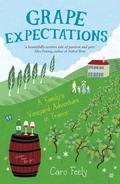
'Delicious.' I licked my lips. The wine filled me with joy. A picture of a vineyard drenched in sunlight formed in my mind. Sean drew me rudely back to the lounge of our semi-d.'How can they be in liquidation if they make wine this good?'"When Caro and Sean find the perfect ten-hectare vineyard in Saussignac, it seems their dreams of becoming wine-makers in the south of France are about to come true. But they arrive in France with their young family (a toddler and a newborn) to be faced with a dilapidated eighteenth-century farmhouse and an enterprise that may never, ever make them a living. Undeterred by mouse infestations, a leaking roof, treacherous hordes of insects, visits from the local farm 'police' and a nasty accident with an agricultural trimmer, Caro and Sean set about transforming their 'beyond eccentric' winery into a successful business as they embark on the biggest adventure of their lives - learning to make wine from the roots up.

Thumb

0 repins 0 comments

The Magic of Grapes To Cure and HealTable of ContentsIntroductionThe Global Scope of GrapesGrapes for HealthGrapes to "cure" Possible Incurable DiseasesTypes of GrapesDifference between Wine Grapes and Table GrapesHow Do You Grow Grapes Best Climate for GrapesBest Soil for GrapesGrapes from Seeds or from Young Vines Plenty of WaterMaking a Trellis for Your VineProtecting Your Grapes from BirdsHarvesting Your Grape YieldDifference between Sultanas, Raisins and Grapes. How to Get Grape Juice ResveratrolChristmas FruitcakeTraditional Carrot PuddingUsing Grapes for Natural CuresConstipationTeething ProblemsStress and StrainTBDry CoughFlatulence and Digestion Related ProblemsConclusionIntroductionThe moment you hear the word "grapes", you visualize a bunch of yellow or black - purple delicious, juicy fruit, which you enjoy plucking off their stalks and popping in your appreciated mouth. Believe it or not, grapes are just about the only fruit, which can be eaten in large quantities, without any sort of harmful side effects. The magic about grapes is that not only is this considered to be an extremely good way which you can cure yourself, but it is also such a good and delicious, easy to eat fruit, that even fussy and finicky eaters who touch fruits and vegetables very rarely cannot resist a fistful of grapes. The history of grapes goes back as long as mankind existed. In prehistoric times, grapes were gathered in the jungles, before man decided to cultivate them in his vineyards or gardens. The Bible says that Noah grew grapes on his farm. But before that, the classical age of Greece had already assigned a God Dionysius, as the God of grapes and wine, and you can see him sporting around with the grape vine leaves around his head as he blesses his worshipers with the gift of the grapes - wine. The Romans called him Bacchus. So when did wine get associated with grapes? An old legend talks about a Georgian princess who was suffering from toothache around 8000 years ago. No dentis

Thumb

0 repins 0 comments

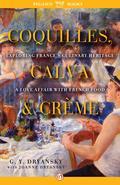
A celebration and critique of the French culinary landscape, with a gastronomical excursion across the French countryside in search of the unsung cooks who are still doing it right This culinary memoir brings to life some of the most fascinating, glamorous food years in France and reveals gastronomical treasures from gifted artisans of the French countryside. Dryansky's stories are the stuff of legend-evenings with Coco Chanel and Yves Saint Laurent, historic wine auctions and memorable banquets-but Coquilles, Calva, and Crème is more than memories. These same memories prompt a journey across modern-day France, through kitchens, farms, and vineyards, offering a savory experience that can be duplicated by the reader afterward with numerous recipes, most of which have never before been recorded. In the world of today's professional cooking, publicity-chasing and performance has overshadowed the importance of dining and the food itself. Too often the modern restaurant is a mixture of bizarre novelty and paradoxical clichés. Truly great dining happens when you're fully engaged in the moment, acknowledging the range of associations that emerge, as Proust wrote, from sensory experiences. From small cafés in Paris to Normandy, Alsace, the Basque country, and beyond, Dryansky takes us on a sweeping sensory journey, with a voice as thoughtful as Kingsolver, as entertaining as Bourdain, and as cogent and critical as Pollan.

Thumb

0 repins 0 comments

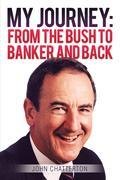
This remarkable story tells of a boy born to dairy farming parents in Central Queensland, Australia at the outbreak of WWII, who left school at 16 and rose to lead the retail operations at Australia's leading bank, Westpac and then retired back to his bush roots. It paints a picture of a very different era of Australia. John's early life on an isolated farm with no electricity and very few creature comforts shows how radically Australian lifestyles have changed in only two generations. It pays witness to the transition in banking from a time when a handshake was a contract to the globalisation of the industry in the 1990's, exploring the dramatic changes in practices, technology and culture that overtook this once revered industry. And it tells of the joys of family life and the challenges encountered as a consequence of promotions and of transfers across eastern Australia and the world. It details how the family dealt with and drew lessons from a series of deep tragedies. John returned to the bush in his later years using his managerial skills for agriculture and social service. In 1987, he acquired a small cattle farm at Yarramalong near Sydney and on retirement established a 100 acres vineyard at Mudgee, NSW that was soon producing award winning wine grapes. John himself was awarded the Medal of the Order of Australia for his voluntary work with various not-for-profit organisations including as Chair of the Royal Blind Society - later to become Vision Australia. This is a journey of family and service in an Australia evolving from rural sufficiency into a globalised world. It is an insight into country life that is unrecognisable to the smart phone generation; also a chronicle of a now vanished time in Australian banking.

Thumb

0 repins 0 comments

To its first inhabitants, the Tongvan Kucamonga tribe, cucamonga meant "land of many waters," referring to the area's numerous streams flowing down from the southeastern end of the San Gabriel Mountains. By the 1800s, it was a Mexican land grant named Cucamonga Rancho. Murder, drought, and foreclosure led to the subdivision of the rancho's 13,000 acres. Immigrants from around the world arrived in Cucamonga's renowned "wine valley." Italian immigrant Secundo Guasti bought a huge swath of land in southern Cucamonga and planted the world's largest vineyard. Many of Guasti's workers lived north of the winery in an area they named Northtown. Still others planted farms, started businesses, and built schools and churches. The farms are gone, most of the wineries are closed, and parts of the old rancho are now known as Upland and Ontario, but the story of Cucamonga lives on through these and other photographs.

Thumb

0 repins 0 comments

From the author of The Physician and Shaman now comes this story of a young man-the grapes he grows, the wine he fashions, the women he loves, and his struggle against an evil that seeks to destroy him. Already an international bestseller. Josep Alvarez is a young man in the tiny grape-growing village of Santa Eulália, in northern Spain, where his father grows black grapes that are turned into cheap vinegar. Joseph loves the agricultural life, but he is the second son, and his father's vineyard will be inherited by his brother Donat, the firstborn. Josep needs to keep his hands in the soil. He yearns for a job growing grapes and for an opportunity to marry Teresa Gallego. In Madrid, an assassination plot, conceived against the political leader of Spain by men of wealth and power, creates a storm of intrigue that sucks into its vortex a group of innocent young farm workers in Santa Eulália. How Josep's life is changed drastically by these events, and how, ironically, they gradually turn him into an inspired vintner with an evolving vision of life, is the fascinating story of The Winemaker.

Thumb

0 repins 0 comments

Next Page