An Asphalt Centrifugal Extractor is a laboratory instrument used for determining the bitumen content in asphalt mixtures.It is available in 1500g and 3000g capacities. Features a removable aluminum bowl assembly which quickly lifts out of the sealed housing for efficient specimen handling. Control knob adjusts bowl speed up-to 3000 rpm and an electric break stops the centrifuge in seconds when extraction is complete. Cover is accurately machined and fitted with solvent resistant gasket to avoid leakages.Control panel indicates start or stop button and speed control knob.

Thumb

0 repins 0 comments

A suspension cell culture plate is a specialized type of cell culture vessel designed to facilitate the growth and maintenance of cells that typically grow in suspension rather than adhering to a surface. Suspension cell cultures are commonly used for various applications in cell biology, biotechnology, and pharmaceutical research.Suspension cell culture plates come in various formats with different well sizes and volumes to accommodate different cell densities and culture volumes. Common formats include 6-well, 12-well, 24-well, 48-well, and 96-well plates.

Thumb

0 repins 0 comments

A suspension cell culture flask is a type of laboratory vessel used for the cultivation and propagation of cells that grow in suspension rather than adhering to a surface. These flasks are specifically designed to support the growth of cells that don't require attachment to a substrate or surface for proliferation. Suspension cell cultures are commonly used in fields such as microbiology, biotechnology, and pharmaceutical research for studying cellular processes, producing proteins, and developing therapeutic agents. Our culture flask has a 50 mL volume, allowing for effective cell cultivation in a 25 cm² culture area.

Thumb

0 repins 0 comments

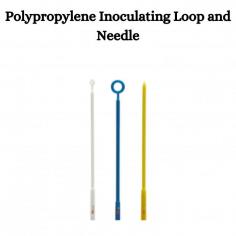
Polypropylene Inoculating Loop and Needle is specialized inoculating loop and needle designed to transfer, inoculate, or streak microbiological cultures facilitate easy handling of microorganisms. Enhanced with color-coded identification mark helps users quickly and easily identify different items for efficient workflow, minimizing the risk of errors. Both the loop and needle are sterilized before use to prevent contamination of cultures.

Thumb

0 repins 0 comments

A polypropylene cell spreader is a laboratory tool used for spreading cells evenly across the surface of a culture dish or plate. It is typically made of polypropylene, a plastic material known for its chemical resistance and ability to withstand autoclaving. The spreader usually has a triangular or L-shaped design with a smooth surface to facilitate the even distribution of cells.To use a polypropylene cell spreader, you would pipette a cell suspension onto the surface of the culture dish or plate and then use the spreader to gently glide across the surface.

Thumb

0 repins 0 comments

Polyoxymethylene embedding cassettes, also known as POM embedding cassettes, are specialized tools used in histology laboratories for tissue processing and embedding. These cassettes are commonly made of polyoxymethylene, a strong and durable thermoplastic material also known as acetal or Delrin.The use of polyoxymethylene ensures that the cassettes can withstand the harsh chemicals and temperatures involved in tissue processing without deforming or reacting with the reagents.

Thumb

0 repins 0 comments

A cell scraper is a laboratory tool used in cell culture techniques to detach adherent cells from the surface of a culture vessel, such as a tissue culture dish or flask. It typically consists of a long handle with a flat, blade-like end made of plastic or metal. The blade is used to gently scrape the cells from the culture vessel while minimizing damage to the cells.Our scraper come in various shapes and sizes to accommodate different culture vessels with safety. Upgrade with DNase, RNase, and pyrogenic free reagent to prevent contamination and degradation of genetic material.

Thumb

0 repins 0 comments

An adherent cell culture flask is a type of laboratory equipment used for growing adherent cells, which are cells that require a surface for attachment and growth. These flasks are typically made of transparent plastic, such as polystyrene, and come in various sizes ranging from a few milliliters to several liters.It specialized container that wear a capacity of 50 mL for the growth and maintenance of adherent cells by utilizing an environment that promotes cell adhesion and proliferation.

Thumb

0 repins 0 comments

An ABS cell strainer is a laboratory tool used primarily in biology and biochemistry for filtering cell suspensions. It is commonly used in cell culture and tissue processing workflows to separate cells from debris or aggregates. The strainer is typically made from a material called acrylonitrile butadiene styrene (ABS), which is known for its strength, durability, and resistance to chemicals. Our cell strainer accommodates a standard 50 mL centrifuge tube ensures compatibility allowing seamless integration.

Thumb

0 repins 0 comments

A carbon and sulfur analyzer, often referred to as a CS analyzer, is a piece of laboratory equipment used to determine the carbon and sulfur content in various types of materials. This equipment is particularly essential in industries such as metallurgy, petrochemistry, and environmental analysis, where precise knowledge of carbon and sulfur content is critical for quality control and compliance purposes. It has Platinum infrared as a light source with high spectral efficiency.

Thumb

0 repins 0 comments

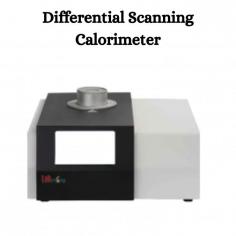
DSC is widely used in various fields such as materials science, chemistry, pharmaceuticals, and polymer science to characterize materials, investigate phase transitions, study reaction kinetics, and assess thermal stability. It's a valuable tool for both research and quality control purposes. An imported e-couple sensor offers excellent anti-interference performance, high baseline stability, and shield protection for the signal acquisition circuit. Using a reference material, the parameters can be modified on a 7-inch LCD touch screen display.

Thumb

0 repins 0 comments

An automatic bomb calorimeter is a specialized instrument used in chemistry and analytical laboratories to measure the heat of combustion of a substance. This type of calorimeter operates by burning a sample of material inside a sealed chamber (the bomb) in the presence of excess oxygen. The heat released from the combustion reaction is absorbed by a surrounding water bath, and the temperature change of the water is measured. From this temperature change, the heat released by the combustion can be calculated.

Thumb

0 repins 0 comments

A blood thaw machine, also known as a plasma thawing device or blood thawing apparatus, is a medical instrument used in healthcare facilities, blood banks, and laboratories to thaw frozen blood components safely and efficiently.It can hold up to six pieces of blood bag with a capacity of 50 to 200 ml. Stimulate a precise and controlled thawing process just in 10 to 15 minutes.

Thumb

0 repins 0 comments

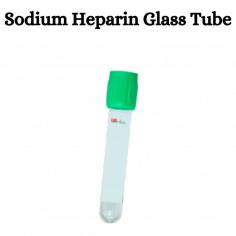
A sodium heparin glass tube typically refers to a type of blood collection tube used in medical settings for the purpose of collecting blood samples for various tests. Sodium heparin is an anticoagulant, meaning it prevents the blood from clotting by inhibiting the activity of clotting factors.Effortless handling of sample with storage capacity of 3 mL / 4 mL / 5 mLmL facilitating accurate laboratory analyses.

Thumb

0 repins 0 comments

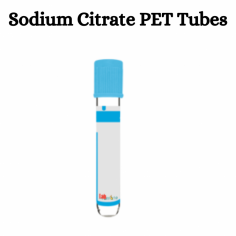
Sodium citrate PET (plasma separator tube) tubes are used in blood collection for various laboratory tests, particularly those requiring plasma. Sodium citrate is an anticoagulant commonly used to prevent blood clotting by binding with calcium ions in the blood. These tubes typically contain a predetermined amount of sodium citrate solution, which ensures proper blood-to-anticoagulant ratio for accurate test results.Our tubes come in different sizes and accommodate 2 mL sample capacity for testing and storage.

Thumb

0 repins 0 comments

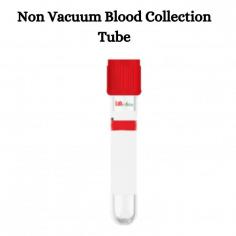
Non-vacuum blood collection tubes, also known as "open system" or "manual" blood collection tubes, used in situations where vacuum tubes are not feasible, such as when collecting blood from infants, or in situations where only small volumes of blood are required. They require more manual handling compared to vacuum tubes but serve the purpose of collecting blood samples effectively for diagnostic testing.It hold a capacity ranging from 1 mL to 4 mL endure blood collection without the use of a vacuum for coagulation and diagnostic testing.

Thumb

0 repins 0 comments

"No Additive PET Tube" likely refers to a blood collection tube used in medical settings. PET stands for polyethylene terephthalate, a type of plastic commonly used in the production of laboratory equipment, including blood collection tubes.The "No Additive PET Tube" is likely designed for situations where a plain blood sample is needed, without any additives that could potentially affect the test results. These tubes are particularly useful for tests that require serum or plasma without any interference from additives.

Thumb

0 repins 0 comments

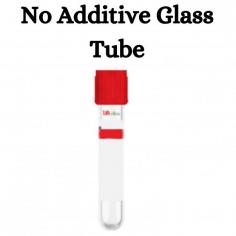
A "no additive glass tube" could imply that the glass is made using only the basic ingredients without any additional substances. This might be desirable in certain applications where purity or specific material properties are important, such as in scientific experiments, laboratory equipment, or in industries where any impurities could affect the end product. Convenient handling of sample with a capacity of 3 mL / 4 mL / 5 mL allowing for flexibility in blood sample storage and transportation.

Thumb

0 repins 0 comments

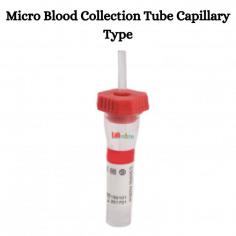
Micro blood collection tubes, often used in settings like laboratories or medical facilities, are designed for the collection and storage of small amounts of blood for various diagnostic tests or procedures. Capillary tubes are a specific type of micro blood collection tube used for collecting blood through capillary action.Designed to collect and hold 0.25 mL blood sample ensure convenient handling.Capillary tubes come in various sizes depending on the volume of blood needed for testing and the specific requirements of the test being performed.

Thumb

0 repins 0 comments

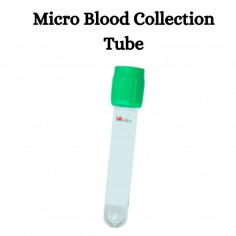
A micro blood collection tube, also known as a microtainer or capillary blood collection tube, is a small-sized tube used to collect a small volume of blood for various diagnostic tests. These tubes are designed to collect blood through capillary action from a fingertip or heel stick rather than through venipuncture (drawing blood from a vein). They are typically made of plastic or glass and come with a variety of additives depending on the specific tests being performed. It features a capacity up to 0.25 mL.

Thumb

0 repins 0 comments

Lithium heparin PET tubes, also known as lithium heparin plasma tubes, are a type of blood collection tube used in medical settings for collecting blood samples. These tubes contain lithium heparin as an anticoagulant, which prevents the blood from clotting by inhibiting the action of thrombin and other clotting factors.Easy sample handling with loading capacity of 3 mL, 4 mL, 5 mL provide worry-free performance.

Thumb

0 repins 0 comments

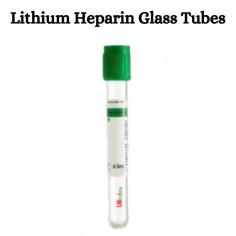
Lithium heparin glass tubes are a type of blood collection tube used in medical settings for the collection of blood samples. These tubes contain lithium heparin, an anticoagulant, which prevents blood from clotting by inhibiting the action of thrombin and other clotting factors.When blood is collected into a lithium heparin tube, the heparin prevents clotting, allowing the blood to remain in a liquid state. It's also crucial to label the tubes accurately with patient identification information to prevent sample mix-ups.

Thumb

0 repins 0 comments

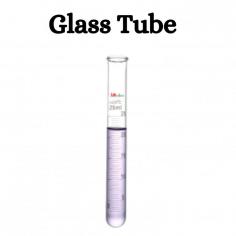
The Glass Tube LMGLT-A100 is a specialized cylindrical tube manufactured from high-quality borosilicate glass. This type of glass tube is commonly used for storage, transportation, and analysis of liquids, chemicals, samples, and other materials. Its transparent nature allows researchers, scientists, and technicians to observe reactions, changes, or characteristics of the substances contained within.With 5mm capacity optically clear, allowing easy observation of the contents inside.

Thumb

0 repins 0 comments

Gel and clot activator tubes, commonly known as serum separator tubes (SST), are specialized tubes used in medical laboratories for blood collection and processing. These tubes are designed to collect blood samples for various diagnostic tests that require serum, which is the liquid portion of blood obtained after coagulation.Featuring a loading capacity of 3 mL / 4 mL ensure convenient storage of sample at 4 °C to 25 °C temperature.

Thumb

0 repins 0 comments

Gel And Clot Activator Glass Tubes. It features a storage capacity of 3 mL / 4 mL.These tubes provide high-quality serum or plasma samples for testing, with minimal risk of contamination from cellular components.

Thumb

0 repins 0 comments

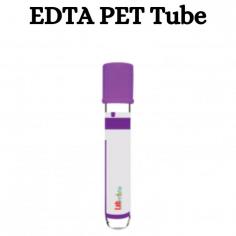
An EDTA PET tube is a medical specimen collection tube containing the anticoagulant ethylenediaminetetraacetic acid (EDTA) and used for collecting blood samples for certain laboratory tests. PET stands for "polyethylene terephthalate. Our tube accommodates 1 mL / 2 mL / 3 mL / 4 mL / 5 mL capacities, providing flexibility for blood collection.

Thumb

0 repins 0 comments

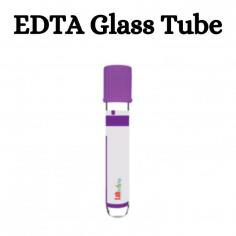
An EDTA (ethylenediaminetetraacetic acid) glass tube is a type of blood collection tube used in medical laboratories for various diagnostic tests.EDTA tubes are typically lavender or purple in color, indicating the presence of EDTA. They are commonly used for tests that require whole blood specimens, such as complete blood count (CBC), blood typing, and certain chemistry tests. Our glass tube ensure simple handling of sample with loading capacity of 1 mL / 2 mL / 3 mL / 4 mL / 5 mL.

Thumb

0 repins 0 comments

A clot activator pet tube is a type of blood collection tube used in veterinary medicine. These tubes contain a substance that promotes blood clotting, preventing the blood from clotting within the tube itself and allowing for serum or plasma separation. The clot activator enhances the coagulation process, which is useful for obtaining serum or plasma samples for various diagnostic tests. Our tube come in different sizes and capacities, providing flexibility to accommodate loading capacity of 3 mL / 4 mL / 5 mL.

Thumb

0 repins 0 comments

A clot activator glass tube is a type of specimen collection tube used in medical laboratories for blood collection and processing. These tubes contain a substance, typically silica particles or powdered glass, which accelerates the clotting process by activating the coagulation cascade in the blood sample. Featuring a capacity of 3 mL / 4 mL / 5 mL ensure convenient handling of sample at reliable conditions.

Thumb

0 repins 0 comments

An automated blood bag sealer is a device used in medical settings, particularly in blood banks and hospitals, to securely seal blood bags after they have been filled with blood products. These machines are designed to ensure a sterile and safe environment for handling blood products while also preventing contamination or leakage. This may include temperature control to maintain consistent heat levels during sealing.

Thumb

0 repins 0 comments

Next Page