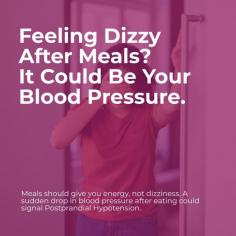
Feeling dizzy after meals? It could be more than just digestion. Discover Postprandial Hypotension - what it is, who’s at risk, and simple steps you can take.

Thumb

0 repins 0 comments

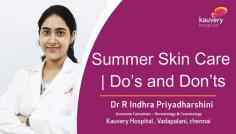
Summer skin problems and skincare tips ✔ Miliaria or prickly heat – Avoid using powders since they block the sweat ducts further. Wear loose cotton clothing. Bathe twice a day. ✔ Breakouts – People who have pimples can have breakouts in summer. Wash your face properly. Don’t use too many products on the skin. ✔ Acne – Avoid doing DIY methods. Consult a dermatologist.

Thumb

0 repins 0 comments

The need for mitral valve surgery depends on several factors, which will be evaluated by a heart specialist. Who needs mitral valve surgery? ✔ People who have severe stages of mitral stenosis or mitral regurgitation. ✔ If the valve is damaged beyond repair. It is possible to perform the surgery through minimally invasive methods. The heart doctor will evaluate the criteria required and recommend the minimally invasive procedure if you are eligible.

Thumb

0 repins 0 comments

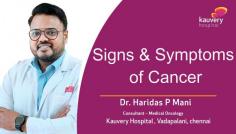
Major symptoms of Cancer ✔ Weight loss ✔ Unexplained sweating ✔ Alternate bowel symptoms ✔ Early satiety ✔ Loss of appetite ✔ Uncontrollable cough ✔ Hoarseness of voice If you notice any of these symptoms, it is best to consult with your doctor and, if need be, a cancer specialist. When the tumour is identified early, cancer treatment can be effectively done to cure the problem.

Thumb

0 repins 0 comments

Tips for safe sports play during summer ✔ Prepare your body for the play. Do daily stretching or light walking. ✔ Wear Good footwear ✔ Hydration is very important ✔ Know your body’s limits and stay within them. ✔ If you experience any pain that lingers for days, then consult an ortho doctor.

Thumb

0 repins 0 comments

Often, people think that people who are overweight can undergo liposuction and lose weight. But for people with high BMI, diet and exercise are the standard courses advised to lose weight. Liposuction is recommended if excess fat is stored in one part of the body. For example, men who have excess fat accumulated near the stomach or breasts often undergo liposuction.

Thumb

0 repins 0 comments

Could losing muscle strength be as risky as osteoporosis when it comes to falls and fractures? This insightful read uncovers how sarcopenia - the silent loss of muscle mass, threatens seniors’ mobility and independence.

Thumb

0 repins 0 comments

When should you consult a neurology specialist? ✔ Fits ✔ Weakness of the limbs ✔ Uncontrollable urine ✔ Dimming vision or double vision ✔ If your family doctor suggests that you see a specialist.

Thumb

0 repins 0 comments

Jaw pain, jaw clicking, or tightness when chewing might be more than minor discomfort. It could indicate a TMJ disorder affecting millions.

Thumb

0 repins 0 comments

Mitral valve diseases like mitral stenosis (narrowing) and mitral regurgitation (leakage) can lead to breathlessness, fatigue, leg swelling, and heart failure if left untreated. Even a small valve defect can affect blood flow and reduce heart efficiency. Ignoring symptoms like breathlessness during walking or frequent coughing can be risky. Early diagnosis through tests and timely treatment are key. If you or your loved one experiences these symptoms, please consult your heart doctor. With proper follow-up and care, valve diseases can be managed effectively for a healthier, more active life.

Thumb

0 repins 0 comments

Prostate cancer can affect not just elderly men, but even those in their 40s and 50s, often due to genetic factors. Common symptoms include frequent urination, especially at night, difficulty in urination, and a sense of incomplete bladder emptying. A simple PSA blood test can indicate risk, but confirmation may require an MRI or biopsy. Elderly individuals experiencing urinary issues, bleeding, or hesitancy should seek medical help without delay. Early detection and treatment significantly improve outcomes. Don’t ignore the signs—consult a urologist or a cancer specialist, if needed.

Thumb

0 repins 0 comments

Reconstructive surgery is a form of plastic surgery that aims to restore the form or function of any part of the body that is affected due to injuries or accidents. The skin and muscles from one part of the body will be taken and reconstructed in the damaged part of the body.

Thumb

0 repins 0 comments

ICU is the 24/7 Emergency care unit where the critical care patients are treated. Why is only restricted time entry allowed for the ICU? ✔ To maintain the efficiency of the medical procedures performed ✔ Infection control ✔ To let the patients rest Watch Dr. Buddhan Rajarathinam, one of the Best Critical Care Specialists in Chennai Kauvery Hospital, which is one of the best Emergency Care Hospitals in Vadapalani, explain the ICU visiting rules.

Thumb

0 repins 0 comments

Peripheral Arterial Disease (PAD) often goes unnoticed in early stages. A common sign is leg pain while walking that eases with rest—this indicates reduced blood flow due to blocked arteries. If left untreated, the pain may persist even during rest or sleep. Non-healing foot wounds are another warning sign. PAD is more common in people with diabetes, high blood pressure, cholesterol issues, heart disease, or smoking habits. Early diagnosis can prevent complications. If you notice such symptoms, consult your doctor to assess your circulation and begin appropriate treatment.

Thumb

0 repins 0 comments

Auditory Nerve Tumor Signs and symptoms of an auditory nerve tumour ✔ Hearing loss or decrease in efficiency of hearing in one ear (This can be noticed while talking on the mobile phone) ✔ Double vision ✔ Drooping of the eyelid on one or two eyes

Thumb

0 repins 0 comments

Did you know gallbladder cancer is often detected late due to its subtle symptoms? While it’s a rare condition, early detection can significantly impact treatment success.

Thumb

0 repins 0 comments

As we grow older, the aging process affects our organs as well. The diseases also accompany. Elders often get affected by diseases like diabetes, hypertension, heart attack, and stroke. But some problems are very common among elderly people. Geriatricians are essential in providing high-quality care and thorough assessments for the elderly.

Thumb

0 repins 0 comments

Laser hair reduction is a powerful medical procedure. When the laser is emitted, it penetrates and targets the melanin in the hair root. The light energy gets absorbed by the pigment and converted to heat. This heat then targets the stem cells in the hair follicle’s bulge area — the area responsible for hair regrowth. By destroying these stem cells, the hair follicle becomes permanently inactive. Hair has different growth phases: ✔ Anagen (active growth) ✔ Catagen (transition) ✔ Telogen (resting) Laser hair reduction is generally safe for anyone above 18 years of age. It can be done on any part of the body, for both men and women. However, if you have underlying conditions like PCOD, thyroid issues, or hormonal imbalances, it’s best to address those first with a doctor before starting laser treatment.

Thumb

0 repins 0 comments

Breathing difficulties can indicate underlying health issues ranging from mild congestion to severe conditions like pneumonia, heart failure, or even a serious allergic reaction. Knowing how to respond immediately could be life-saving.

Thumb

0 repins 0 comments

Falls among seniors are often dismissed as minor accidents. However, they can be indicative of underlying health issues that require immediate attention.

Thumb

0 repins 0 comments

Arterial Disease (Atherosclerosis) happens when plaque builds up in the arteries, limiting blood flow and increasing the risk of heart attacks and strokes. But the good news is, it's preventable! Causes of arterial disease ✔ Smoking ✔ Exposure to secondary smoking ✔ Diabetes ✔ High blood pressure

Thumb

0 repins 0 comments

Thyroid Gland Function: The pituitary gland in the brain secretes TSH, which stimulates the thyroid gland (located in the neck) to release thyroid hormones – primarily T3 (triiodothyronine) and T4 (thyroxine). Thyroid Disorders: There are two major types – Hypothyroidism and Hyperthyroidism. Hypothyroidism: This is the more common condition. It occurs when the thyroid gland secretes less thyroid hormone (T3 & T4) than required. Hyperthyroidism: The hormone production is excessive, and TSH levels decrease. Signs, Symptoms, and Treatment: Each condition has distinct signs and symptoms, and treatments are available depending on the specific diagnosis.

Thumb

0 repins 0 comments

Sitting too much can quietly weaken your body in surprising ways. Your glute muscles might literally forget their job, leading to pain, posture problems and mobility issues. Find out what’s really happening and how simple habits and exercises can rebuild strength and alignment.

Thumb

0 repins 0 comments

For every 10 patients in an Outpatient (O.P.) department, 8 of them typically come in complaining of a headache. However, 99% of those headaches are not something to be feared. There are three common types: ✔ Migraine – a vascular headache ✔ Tension headache ✔ Headaches due to lack of sleep or overwork These types are usually easy to treat and not dangerous. But 1% of headaches can be concerning. For instance, in 100 patients, 2–3 of them might have headaches that are not ordinary. In such cases, seizures may occur, or weakness in the hands and legs might be present. These types of headaches, especially when accompanied by vomiting at night or symptoms that are unusual, like trouble brushing teeth, numbness, or visual disturbances, could indicate something serious. So, 99% of headaches are harmless. But for the remaining 1%, a thorough investigation should be done. Only after doing a proper scan can we confidently say whether it’s something to worry about or not.

Thumb

0 repins 0 comments

When family members or friends are admitted to the ICU, relatives often have many questions but may feel hesitant to ask or might not know how to ask clearly. They may struggle to communicate with the doctors or feel overwhelmed in the ICU environment. When the time comes, you can ask the doctors questions like: ✔ What are the test reports? ✔ What treatment options are being provided? ✔ What kind of support is the patient receiving right now? ✔ Is the patient on a ventilator? ✔ Are any medications (like sedatives) being given? ✔ Has anything improved or worsened in the last few hours? You can also ask about the outcome, such as: ✔ What are the chances of recovery from this illness? ✔ What is the current condition? ✔ Is the patient stable? These are important questions, especially when dealing with elderly patients, such as someone who is around 90 years old.

Thumb

0 repins 0 comments

Understanding how alcohol affects the brain is essential, as overuse can cause serious yet often overlooked harm. Here’s a brief overview: ✔ Cognitive Decline: Excessive alcohol can impair the nervous system, slow reflexes, and reduce brain function, making everyday tasks risky. ✔ Mental Health Strain: Though alcohol may temporarily ease stress, long-term use increases anxiety and stress levels. ✔ Memory Disruption: Alcohol interferes with both short-term and long-term memory formation. ✔ Brain Damage Over Time: Prolonged use can cause structural damage to the brain, affecting thinking, memory, and problem-solving. ✔ Mood Disorders: Chronic alcohol use is linked to conditions like depression and anxiety.

Thumb

0 repins 0 comments

Have you thought those odd symptoms - like unexplained fatigue or cold sweats - might point to something serious?

Thumb

0 repins 0 comments

When a kidney transplant surgery is performed, we must understand a crucial point: a foreign organ (the donor kidney) is being placed inside our body. Naturally, our body recognizes that this organ isn’t its own and starts to reject it. The body’s immune system tries to attack and remove it. To prevent this, patients are given immunosuppressive medications—usually three types of medicines—to suppress the immune system so that it doesn't reject the new kidney. The most important thing to understand is that these medicines don’t just reduce the immune response against the kidney—they reduce the body's overall immunity. That means transplant patients become more vulnerable to infections of all kinds. That’s why the doctor’s main job after a transplant is not only to prevent rejection but also to prevent infections.

Thumb

0 repins 0 comments

Common vaccines given to babies include: ✔ BCG (for tuberculosis), ✔ Hepatitis B, ✔ Polio drops, and ✔ Later, the flu (influenza) vaccine. When a baby turns 6 months old, doctors usually recommend the flu vaccine. Why? Because influenza is caused by a virus that can lead to: ✔ Fever, ✔ Cough, ✔ Breathing difficulty, ✔ And even low oxygen levels in the body. This can become serious and land babies in the ICU. To prevent this, the flu vaccine is highly recommended: ✔ One dose at 6 months, ✔ A second dose at 7 months. After one year of age, annual flu shots are advised. This helps protect children during seasonal changes, especially around November, when cases spike.

Thumb

0 repins 0 comments

Doctors can now view your lungs and collect tissue samples without surgery. Learn about Endobronchial Ultrasound (EBUS), a minimally invasive technique that combines bronchoscopy and ultrasound to diagnose and stage lung conditions such as cancer and infections.

Thumb

0 repins 0 comments

Next Page