When people think about grooming a dog, they usually imagine brushing, bathing, trimming fur, and cleaning ears. However, one of the most important yet often overlooked aspects of canine hygiene involves the anal glands. These small scent glands play a significant role in a dog’s natural communication and health. Understanding their function and the importance of proper maintenance can help prevent discomfort, infection, and more serious medical complications. This is why professional anal gland expression has become an essential component of a comprehensive dog grooming Singapore routine. Anal glands, also known as anal sacs, are two small sacs located on either side of a dog’s anus. These glands contain a fluid that produces a strong scent unique to each dog. In the wild, this scent helped dogs mark territory and communicate with other animals. When a dog defecates, the pressure from the stool typically causes the glands to release a small amount of this fluid naturally. In healthy dogs, this process occurs automatically without any need for assistance. However, not all dogs are able to empty their anal glands naturally. Various factors such as diet, body structure, obesity, or insufficient fiber intake can prevent proper gland expression. When the glands fail to empty regularly, the fluid inside them begins to thicken and accumulate. Over time, this buildup can lead to discomfort, swelling, and even painful infections. At this stage, professional attention becomes necessary to relieve the pressure and restore normal gland function. Many dog owners first notice a problem when their pet begins displaying unusual behavior. One of the most common signs is scooting, where the dog drags its rear across the floor or ground in an attempt to relieve irritation. Other symptoms may include excessive licking around the tail area, a strong fishy odor, swelling near the anus, or signs of pain when sitting. These symptoms indicate that the anal glands may be full or impacted and require immediate attention. Within a proper dog grooming routine, trained groomers are often able to identify these early warning signs. Grooming professionals are trained to recognize subtle physical and behavioral indicators that a dog may be experiencing gland-related discomfort. Because they handle dogs regularly, they can detect abnormalities quickly and perform safe, hygienic gland expression before the condition worsens. Professional expression involves carefully applying pressure to the glands to release the accumulated fluid. While this may sound simple, the process requires proper knowledge of canine anatomy and correct technique. Incorrect handling can cause injury, rupture of the glands, or worsen an existing infection. This is why veterinary professionals and certified groomers strongly advise against inexperienced owners attempting the procedure without proper training. In many grooming salons, anal gland expression is included as part of the standard hygiene check during a full dog grooming appointment. During the grooming process, professionals inspect the dog’s coat, skin, ears, nails, teeth, and anal area to ensure overall cleanliness and health. If the glands appear swollen or impacted, they may perform external expression to relieve the pressure and prevent further complications. Regular professional grooming also allows groomers to monitor recurring issues. Some dogs are naturally more prone to anal gland problems than others. Small breeds, overweight dogs, and dogs with allergies or digestive issues may experience more frequent gland impaction. By incorporating anal gland care into the dog grooming Singapore schedule, professionals can track patterns and recommend appropriate grooming intervals or dietary adjustments to reduce future problems. Diet plays a surprisingly important role in anal gland health. Dogs that consume diets low in fiber may produce softer stools that fail to apply sufficient pressure on the glands during defecation. Fiber helps create firmer stools, which naturally assist in emptying the glands. Many veterinarians recommend fiber-rich diets or supplements to dogs that frequently experience gland issues. When combined with routine dog grooming care, dietary adjustments can significantly reduce the frequency of gland blockages. Another factor that influences anal gland function is a dog’s overall physical condition. Obesity can affect the muscles responsible for natural gland expression. Overweight dogs may struggle to empty their glands effectively due to reduced muscle tone and increased pressure in surrounding tissues. Maintaining a healthy weight through exercise and balanced nutrition helps support proper gland function and reduces the likelihood of impaction. If untreated, impacted anal glands can progress into more severe medical conditions. The fluid trapped inside the glands becomes thick and infected, forming an abscess. Abscessed glands are extremely painful and may rupture through the skin, causing bleeding and severe inflammation. In such cases, veterinary intervention becomes necessary, and treatment may involve antibiotics, surgical drainage, or in rare cases, gland removal. Preventive care through professional dog grooming greatly reduces the risk of reaching this advanced stage. Professional groomers also maintain strict hygiene standards during gland expression. Because the fluid released from the glands contains bacteria and strong odors, the procedure must be handled carefully to prevent contamination. Groomers use gloves, proper sanitation techniques, and specialized cleaning products to ensure that the dog remains comfortable and the grooming environment stays hygienic. Beyond the medical benefits, addressing anal gland health contributes to a dog’s overall comfort and well-being. Dogs experiencing gland pressure often show signs of irritation, restlessness, or behavioral changes. Once the glands are properly expressed, many dogs display immediate relief and return to their normal, playful behavior. This improvement highlights how essential anal gland care can be within a complete dog grooming program Singapore. Education is another key aspect of responsible grooming services. Professional groomers often guide pet owners on how to identify early symptoms and maintain preventive care at home. While the actual expression should be performed by trained individuals, owners can support gland health through proper diet, regular exercise, and consistent grooming appointments. In modern pet care, grooming is no longer viewed as purely cosmetic. It has evolved into a critical component of preventive healthcare. A comprehensive dog grooming routine ensures that dogs remain clean, comfortable, and free from hidden health issues that might otherwise go unnoticed. Anal gland maintenance represents one of the many behind-the-scenes services that contribute to a dog’s long-term health. Ultimately, understanding the science of anal glands emphasizes the importance of professional care. These small glands may be easy to overlook, but their impact on a dog’s health is significant. Regular grooming sessions performed by trained professionals help detect problems early, provide necessary relief, and prevent painful infections from developing. By integrating anal gland expression into routine dog grooming Singapore practices, pet owners can ensure that their dogs enjoy better hygiene, improved comfort, and reduced risk of serious medical complications. Professional grooming not only enhances a dog’s appearance but also supports essential aspects of canine health that every responsible pet owner should recognize and prioritize. Visits us : https://www.thepetsworkshop.com.sg/

Thumb

0 repins 0 comments

The Lamb Clip is one of the most recognizable and enduring styles in the world of Poodle grooming. Elegant yet practical, it preserves the breed’s natural outline while showcasing balance, symmetry, and refined scissoring technique. For breed enthusiasts and grooming purists, mastering the Lamb Clip is both an artistic pursuit and a technical discipline. It demands anatomical knowledge, precision control, and a trained eye for proportion. To truly learn pet grooming Singapore at an advanced level, few styles offer a more complete education than this classic cut. At first glance, the Lamb Clip appears simple. The body coat is left longer than in sporting trims, the legs are shaped into soft cylindrical columns, and the face, feet, and base of the tail are cleanly shaved. Yet the simplicity is deceptive. The elegance of the finish depends entirely on scissor work, coat preparation, and the groomer’s ability to sculpt without removing essential structure. Every line must flow, every transition must be seamless, and every angle must respect the Poodle’s conformation. Preparation forms the scientific foundation of the Lamb Clip. The coat must be thoroughly bathed, conditioned, and high-velocity dried to achieve a straight, lifted texture. Proper fluff drying stretches the curl and reveals inconsistencies that would otherwise hide in natural wave. Without meticulous preparation, even the most skilled scissoring will lack clarity. Coat preparation determines the final silhouette, because scissoring compressed curls leads to uneven finish once the dog moves or the coat settles. Understanding canine anatomy is equally critical. The Lamb Clip enhances the natural angulation of the shoulders and hindquarters while maintaining a level topline. Groomers must visualize skeletal landmarks beneath the coat. The point of shoulder, prosternum, rib spring, tuck-up, and stifle angulation guide the sculpting process. Removing too much coat in one region distorts proportion, while leaving excess weight elsewhere can make the dog appear unbalanced. The art lies in emphasizing strengths and subtly minimizing faults. The body of the Lamb Clip is typically scissored to a moderate length that follows the natural contour of the dog. Unlike more dramatic trims, this style avoids exaggerated volume. Instead, it favors a smooth jacket that hugs the torso without clinging. Achieving this look requires disciplined scissor-over-comb technique. The comb lifts the coat evenly while straight shears create controlled, uniform removal. The key is maintaining consistent pressure and angle, ensuring the body remains streamlined. Leg work defines the Lamb Clip’s visual harmony. The legs should resemble soft columns, slightly fuller at the top and narrowing subtly toward the pastern. This taper creates an illusion of strength and elegance. Groomers must constantly step back to assess symmetry. Even a slight imbalance in width can disrupt the dog’s stance. Curved shears help refine the cylindrical shape, but overuse can produce artificial roundness. The objective is organic smoothness, not sculpted excess. Transitions are where mastery becomes evident. The blending from body to leg must be seamless, with no harsh shelf or visible line of demarcation. This requires careful thinning shear work and controlled layering. Groomers often use subtle scissor flicking motions to soften edges while preserving volume. The transition at the shoulder and hip is especially important, as these areas influence movement perception. Clean blending enhances the illusion of fluid motion even when the dog is standing still. The head in a Lamb Clip remains refined and balanced. The clean-shaven face highlights expression and eye clarity. The topknot, while not exaggerated, should be proportionate and oval in shape when viewed from the front. Scissoring the topknot involves shaping from the outer corner of the eye upward and blending into the occiput without creating sharp corners. The ear set must appear harmonious with the skull width, and thinning shears are frequently used to refine edges without harsh bulk. Tail presentation completes the silhouette. The base is shaved clean, and the pom or plume is shaped to complement overall proportions. It should neither overpower the rear nor appear sparse. Groomers must evaluate tail carriage when shaping, as natural position affects perceived balance. Precision in this area elevates the final impression from tidy to iconic. From a technical standpoint, tool selection plays a major role. Straight shears provide structural lines, curved shears assist with rounding and contour, and thinning shears refine and blend. Each tool serves a distinct purpose. Mastery requires knowing when to switch tools and how to maintain scissor ergonomics for consistent control. Blade sharpness and alignment directly influence finish quality. Even minor dullness can leave visible scissor marks in a well-prepared coat. Lighting and viewing angles also influence precision. Groomers often rotate the dog and change their own stance to detect uneven planes. Observing the outline against contrasting backgrounds can reveal irregularities in silhouette. This analytical approach transforms grooming into a study of geometry and form. Movement assessment adds another layer of expertise. A Lamb Clip should complement the Poodle’s athletic gait. Excessive bulk around joints can restrict motion visually, while uneven trimming can exaggerate flaws. Watching the dog walk after preliminary scissoring allows final refinements that enhance flow. Groomers dedicated to excellence understand that the clip must perform dynamically, not just appear balanced on the table. For grooming enthusiasts, the Lamb Clip offers an ongoing study in refinement. Each dog presents unique coat density, texture, and conformation. Adapting technique while maintaining breed standard demands both creativity and discipline. It is a style that rewards patience and continuous observation. Many professionals consider it a benchmark of skill because flaws are immediately visible in its clean simplicity. Education and repetition remain essential for those seeking to perfect this trim. Workshops, mentorship, and hands-on practice sharpen both eye and technique. To learn pet grooming Singapore at a deeper level, studying the Lamb Clip builds foundational scissoring confidence applicable to many other styles. It trains the groomer to respect anatomy, prioritize balance, and refine detail with intention. Ultimately, mastering the Lamb Clip represents a convergence of art and science. The science lies in anatomy, coat preparation, tool mechanics, and structural proportion. The art emerges in the subtle shaping, the seamless transitions, and the intuitive understanding of balance. When executed with precision, the Lamb Clip transforms a well-bred Poodle into a living sculpture of elegance and athleticism. For those devoted to grooming craft, it remains both a challenge and a timeless expression of skill. Visits us : https://www.thepetsworkshop.com.sg/

Thumb

0 repins 0 comments

When it comes to pet care, many assume that grooming is a universal process that can be applied similarly across species. However, anyone experienced in professional cat grooming Singapore understands that grooming a cat is an entirely different discipline from grooming a dog. While both require patience, technical skill, and compassion, the anatomy, temperament, stress triggers, and handling techniques of cats demand a specialized approach. Appreciating these differences is essential for ensuring safety, comfort, and overall wellbeing. The first and most fundamental difference lies in anatomy. Cats have thinner, more delicate skin than dogs. In fact, feline skin is more elastic and prone to tearing if handled incorrectly. This means clippers, brushes, and even manual restraint must be used with extreme care. A dog’s skin is generally more forgiving; a cat’s is not. Professional cat grooming therefore requires lighter pressure, sharper blades, and precise technique to avoid injury. Coat structure also varies significantly. Long-haired cat breeds such as Persians or Maine Coons develop dense undercoats that can mat tightly against the skin. Unlike many dogs, whose mats may sit loosely in the outer coat, feline mats can pull directly at the skin, causing discomfort and even bruising. Removing these mats requires controlled clipping rather than aggressive brushing. Attempting to demat a cat the same way one might handle a dog can result in pain and defensive behavior. Behavioral psychology is another critical distinction. Dogs, through domestication history, are generally more accustomed to social cooperation with humans. Cats, on the other hand, retain strong independent instincts. They are both predator and prey in their evolutionary history, which makes them more sensitive to perceived threats. Sudden noises, unfamiliar handling, or forced restraint can trigger fight-or-flight responses quickly. This is why cat grooming environments are often quieter, calmer, and more controlled than typical dog grooming salons. Handling techniques differ greatly as well. Dogs can often be secured with grooming loops and table restraints. Cats require more strategic positioning and supportive holds that minimize stress. Techniques such as towel wrapping, gentle cradling, or controlled body positioning are used to stabilize movement without causing panic. Excessive restraint can escalate fear in cats, while minimal but confident handling tends to produce better cooperation. Stress management is perhaps the most defining difference. Many dogs tolerate extended grooming sessions with relative patience. Cats, however, have lower thresholds for stress. Sessions must often be shorter and more efficient. Groomers trained in cat grooming Singapore understand the importance of reading subtle body language cues such as ear position, tail flicking, pupil dilation, and muscle tension. Recognizing early signs of discomfort allows professionals to adjust techniques before a situation escalates. Bathing procedures also vary. Dogs typically require thorough soaking, shampooing, conditioning, and drying. Cats, being meticulous self-groomers, often need lighter cleansing unless heavily soiled. Moreover, cats generally dislike water immersion more intensely than dogs. Controlled water flow, appropriate water temperature, and secure support are critical. High-velocity dryers commonly used for dogs may frighten cats; quieter drying methods are preferred. Nail trimming highlights another difference. A dog’s nail trimming is often straightforward, with visible quick lines in light-colored nails. Cats have retractable claws and sharper tips, requiring careful extension of each claw before trimming. Additionally, cats are more sensitive about paw handling. Calm, steady movements are necessary to avoid sudden withdrawal or scratching. Sanitary trimming and paw pad clipping also demand feline-specific expertise. Cats may react strongly to the vibration and sound of clippers near sensitive areas. Groomers must work swiftly and confidently while maintaining a reassuring presence. Dogs may wiggle, but cats are more likely to twist or leap if startled, increasing risk of accidental cuts. Become a Medium member Another major factor is trust. Dogs often form immediate social bonds and may recover quickly from minor discomfort. Cats rely heavily on environmental security. A new scent, unfamiliar surface, or abrupt movement can break their sense of safety. Professional cat grooming spaces often incorporate pheromone diffusers, minimal noise levels, and limited visual distractions to reduce anxiety. Health considerations further separate the two practices. Cats are prone to stress-related complications such as elevated heart rates or respiratory issues during grooming. For senior or medically fragile cats, sessions may need to be broken into shorter intervals. Groomers trained in feline care are mindful of these risks and adapt accordingly. Communication style also differs. While dogs may respond to verbal reassurance and direct commands, cats respond more to tone, rhythm, and body energy. A calm demeanor from the groomer has a measurable impact on feline behavior. Quick, efficient movements combined with quiet confidence often yield better results than prolonged coaxing. Equipment selection is equally important. Blade choice, clipper speed, brush type, and even table surface must be adapted to feline needs. Overheating blades pose greater risk on thin cat skin. Specialized tools designed specifically for cat grooming provide safer, more effective outcomes. The human factor plays a significant role as well. Grooming a dog often involves teamwork, particularly for large breeds. Grooming a cat typically requires one highly skilled professional who understands feline behavior deeply. Confidence without force is essential. Hesitation can increase feline anxiety, while overconfidence can provoke resistance. Training standards reflect these distinctions. A groomer proficient in dogs is not automatically equipped to handle cats. Advanced education in feline handling, stress recognition, and safe restraint methods is critical. The skill set is nuanced and must be developed deliberately. Time management further distinguishes the two. Dog grooming may involve extended styling sessions. Cat grooming prioritizes efficiency and safety over elaborate aesthetics. The focus remains on coat health, hygiene, and comfort rather than cosmetic enhancement. Ultimately, the difference lies in respect for species-specific needs. Cats are not small dogs. Their physiology, psychology, and communication styles are unique. Attempting to apply dog grooming techniques to cats can lead to stress, injury, and negative associations with future care sessions. Understanding these distinctions transforms grooming from a routine service into a specialized craft. When approached correctly, grooming becomes a positive, low-stress experience that enhances a cat’s quality of life. Skilled professionals who embrace feline finesse recognize that success lies in precision, patience, and empathy. In the end, cat grooming Singapore is not merely about maintaining appearance. It is about safeguarding comfort, protecting delicate anatomy, managing stress intelligently, and honoring the individuality of each feline client. That is what truly sets it apart from grooming a dog. Pop over here : https://www.thepetsworkshop.com.sg/

Thumb

0 repins 0 comments

A professional SKC Class C grooming course is designed to transform a beginner with interest in animals into someone who understands the discipline, structure, and responsibility behind professional grooming. While many people imagine grooming as simply bathing and trimming a pet, the reality inside a structured learning environment is far more comprehensive. A professional pet grooming course Singapore typically combines detailed theory, guided demonstrations, and extensive practical work so that students develop both knowledge and technical ability. The 60-lesson curriculum is carefully arranged to ensure that every stage of learning builds upon the previous one, allowing students to move from basic understanding to confident hands-on practice. The course usually begins with a strong theoretical foundation. Before students pick up grooming tools, they are introduced to the science behind animal care. Understanding anatomy is one of the earliest topics in the program. Students learn about skeletal structure, muscle groups, skin layers, and coat types. This knowledge is essential because grooming decisions must always consider the physical structure and comfort of the animal. In a professional pet grooming course, anatomy is not taught only as theory; it becomes a reference point for every grooming technique that follows. By understanding how a dog’s body is built, students learn how to position animals safely and avoid causing stress or discomfort. Behavior and temperament studies also play an important role in the theoretical portion of the curriculum. Groomers interact with animals that may feel anxious, excited, or unfamiliar with the grooming process. Lessons focus on recognizing behavioral signals, understanding body language, and responding calmly to different temperaments. Students are taught that patience and observation are just as important as technical skill. In many professional pet grooming course programs, behavior training appears repeatedly throughout the curriculum because handling animals safely requires constant awareness and adjustment. As students progress through the 60-lesson structure, theoretical learning begins to merge with practical demonstrations. Instructors introduce grooming tools and explain how each one functions. Clippers, scissors, combs, brushes, dryers, and safety equipment are examined in detail. Students learn how to maintain tools, how to choose the correct blade or attachment, and how to hold equipment properly. Even something that seems simple, like brushing a coat, is broken down into technique, direction, and pressure. A professional pet grooming course Singapore emphasizes that precision matters at every stage, from preparation to finishing touches. Once the foundational knowledge is established, practical sessions become more frequent. These sessions form a significant part of the learning experience. Students begin by observing instructors perform grooming routines step by step. Each movement is explained clearly so that learners understand not only what to do but why the technique is important. Watching experienced professionals work provides valuable insights into timing, posture, and workflow. In a professional pet grooming course, observation is considered an essential bridge between theory and independent practice. Hands-on experience gradually becomes the central focus of the program. Students start working directly with animals under supervision, applying the concepts they have learned in earlier lessons. The grooming process typically follows a structured sequence that includes coat preparation, bathing, drying, brushing, trimming, and finishing. Each stage teaches students how preparation influences the final result. For instance, proper bathing and drying can determine how easily a coat can be shaped later. Through repetition and feedback, students refine their technique and build confidence with each session. Another key component of the curriculum is hygiene and safety. Grooming environments must maintain strict cleanliness to protect both animals and professionals. Lessons explain sanitation procedures, equipment cleaning methods, and workspace organization. Students also learn how to identify potential health concerns on the skin or coat of an animal. Although grooming is not a veterinary practice, awareness of basic health indicators helps groomers recognize when further professional care may be needed. A professional pet grooming course reinforces that responsible grooming includes maintaining safe, clean, and attentive working conditions. Throughout the 60 lessons, instructors emphasize consistency and discipline. Grooming requires careful attention to detail, and students are encouraged to develop steady routines. Practice sessions often focus on refining specific techniques repeatedly until they become natural. At least one portion of the training may concentrate on improving scissoring control and coat shaping, which requires patience and steady hand movements. At least another part of the course is dedicated to understanding coat textures and how different grooming approaches affect the final appearance. Students also learn about workflow and time management within a grooming session. Professional groomers must balance quality with efficiency while ensuring that animals remain comfortable throughout the process. Lessons discuss how to organize tasks logically so that grooming proceeds smoothly. At least one training segment often focuses on preparing the workspace and arranging tools before the grooming begins. This preparation helps prevent unnecessary interruptions and allows groomers to maintain focus on the animal. Communication and professionalism are also discussed as part of the curriculum. Groomers frequently interact with pet owners who rely on them to care for their animals responsibly. Students learn how to listen to client expectations, explain grooming processes, and maintain professional conduct. In a professional pet grooming course Singapore, these skills are introduced alongside technical training because they contribute to a successful grooming career. As students move toward the final stages of the program, practical sessions become more comprehensive. Learners begin managing complete grooming routines from start to finish while instructors observe and guide them. These sessions provide an opportunity to apply everything covered in previous lessons. At least four separate practical assessments may take place during the training period to evaluate progress, technique, and confidence. Each assessment helps students understand their strengths and identify areas for improvement. By the end of the 60-lesson journey, students have experienced a balanced combination of theoretical learning and practical application. They have studied anatomy and behavior, practiced equipment handling, and worked directly with animals under professional supervision. A professional pet grooming course structured in this way ensures that graduates are not only capable of performing grooming tasks but also understand the reasoning behind every step. Ultimately, the goal of a professional SKC Class C grooming course is to build well-rounded grooming professionals who approach their work with knowledge, patience, and responsibility. Through a carefully structured blend of theory and hands-on practice, students gain the confidence required to handle real grooming situations. What begins as curiosity about animal care gradually develops into practical skill and professional awareness. The behind-the-scenes structure of the 60-lesson curriculum reveals that grooming is not simply a routine task but a discipline that combines education, observation, and dedicated practice. Visits us : https://www.thepetsworkshop.com.sg/

Thumb

0 repins 0 comments

For many professionals, the corporate world offers stability, structure, and predictable growth. Yet beneath the polished offices and carefully planned career paths, there is often a lingering question: Is this truly fulfilling? Increasingly, individuals are choosing to leave desk jobs behind to pursue creative, hands-on careers that align with their passions. One such path is professional pet grooming. What may begin as a love for animals can transform into a rewarding, sustainable career through the right training and certification, such as the SKC Class C Certification. The Shift from Stability to Purpose Corporate roles can provide financial security, but they may also bring long hours, screen fatigue, and a sense of monotony. Many professionals report feeling disconnected from tangible results. Their daily efforts are often measured in emails sent, meetings attended, or spreadsheets completed. In contrast, grooming offers visible outcomes. At the end of each session, the transformation is immediate. A once-tangled coat becomes sleek and healthy. A nervous animal leaves calm and comfortable. The work is physical, creative, and personal. For those seeking a meaningful connection between effort and outcome, this shift can feel profoundly satisfying. Stories of Reinvention Across the industry, former accountants, marketers, engineers, and administrators have made the leap. They speak of rediscovering energy and enthusiasm after years in environments that felt restrictive. While the transition requires courage, many describe it as the best professional decision they have made. These individuals often share similar motivations. They desired flexibility, autonomy, and the chance to work with animals rather than corporate metrics. Although leaving a steady paycheck can feel daunting, structured training programs provide a clear pathway into the field. Understanding the Reality of Grooming It is important to approach any career change with realistic expectations. Pet grooming is not simply playing with animals all day. It requires technical skill, patience, and resilience. Groomers handle a variety of temperaments, coat types, and behavioral challenges. Physical stamina is essential, as the work involves standing, lifting, and precise hand movements for extended periods. However, these challenges are balanced by the deep sense of accomplishment that comes from helping animals feel comfortable and healthy. Groomers become trusted partners in a pet’s well-being, forming long-term relationships with clients and their owners. From Passion to Profession Loving animals is a wonderful starting point, but professional grooming demands structured education. Proper training ensures safety, hygiene, and technical competence. It teaches anatomy, coat care, tool handling, and client communication. This is where the SKC Class C Certification becomes invaluable. Designed as an entry-level credential, it provides foundational knowledge and practical skills for those entering the industry. For career changers, it offers reassurance that their new path is built on recognized standards and professional credibility. Why Certification Matters Certification distinguishes hobbyists from trained professionals. In a competitive marketplace, formal credentials signal commitment and competence. Clients are more likely to trust groomers who have undergone structured assessment and skill validation. For former corporate professionals, certification also provides a familiar sense of achievement. Much like earning a degree or professional qualification, completing the SKC Class C Certification marks a tangible milestone. It bridges the gap between passion and profession. The Emotional Rewards Learn about Medium’s values One of the most cited reasons for leaving corporate roles is the desire for emotional fulfillment. Grooming offers daily moments of connection. Calming an anxious dog, restoring comfort to a senior pet, or helping a young animal acclimate to grooming can be deeply meaningful. The gratitude of pet owners adds another layer of satisfaction. Seeing a client’s relief when their pet looks and feels better reinforces the value of the work. Unlike abstract corporate targets, the impact is immediate and personal. Flexibility and Entrepreneurship Many groomers eventually choose to operate independently. Whether working in established salons, mobile units, or home-based studios, the field offers diverse pathways. Former corporate professionals often bring valuable skills in marketing, scheduling, and financial management, enhancing their success as business owners. Attending a pet grooming workshop Singapore can further expand expertise, introducing advanced techniques and specialized styling. Continuous learning keeps the work dynamic and supports long-term growth. Evaluating Your Readiness Before making the leap, self-assessment is essential. Consider your tolerance for physical labor, your comfort with animals of varying temperaments, and your willingness to start anew in a different industry. Financial planning is equally important, as income may fluctuate during the initial transition period. Researching training programs and speaking with certified groomers can provide insight into daily realities. Shadowing a professional for a day offers firsthand perspective on the demands and rewards of the role. Building Confidence Through Training Structured education builds not only skill but also confidence. Learning proper handling techniques reduces the risk of injury. Understanding breed standards enhances precision. Practicing under supervision prepares aspiring groomers for real-world scenarios. The SKC Class C Certification curriculum equips students with core competencies, enabling them to enter the workforce with assurance. For those leaving established careers, this structured pathway minimizes uncertainty and fosters a smoother transition. A Career with Tangible Impact Unlike many corporate roles where contributions feel distant from end results, grooming delivers visible change. Each appointment concludes with transformation. The satisfaction of improving an animal’s comfort and appearance can be profoundly motivating. Moreover, the industry continues to grow as pet ownership increases and owners prioritize professional care. This sustained demand offers stability alongside creative fulfillment. Balancing Passion and Practicality A career change should balance inspiration with planning. While passion fuels motivation, preparation ensures sustainability. Budgeting for training, acquiring equipment, and building a client base require thoughtful strategy. Yet for many who have made the shift, the rewards outweigh the challenges. They report greater work-life balance, renewed enthusiasm, and a stronger sense of purpose. The grooming table becomes more than a workspace; it becomes a platform for meaningful contribution. Transitioning from the corporate world to professional grooming is a significant decision, but it can be transformative for those seeking purpose-driven work. With structured education, recognized credentials like the SKC Class C Certification, and ongoing development through opportunities such as a pet grooming workshop Singapore, aspiring groomers can build confident, fulfilling careers. If you find yourself yearning for hands-on creativity, daily connection with animals, and visible impact, this path may deserve serious consideration. A career rooted in passion and supported by professional training can turn a long-held interest into a sustainable, rewarding vocation. Visits us : https://www.thepetsworkshop.com.sg/

Thumb

0 repins 0 comments

Ear care is an essential yet often overlooked aspect of maintaining a pet’s overall health. In warm and humid climates, pets are especially vulnerable to ear problems due to increased moisture and bacterial growth. Two key ear care practices, simple ear cleaning and ear hair plucking, serve different purposes but work together to protect ear health. Understanding the difference between these methods helps pet owners make informed decisions. Professional pet grooming services Singapore often emphasize both procedures because they address distinct issues that contribute to hygiene, comfort, and long term wellbeing in pets living in challenging environmental conditions every day. Simple ear cleaning focuses on removing visible dirt, wax, and debris from the ear canal. Over time, natural wax accumulates and can trap dust and moisture. If not removed regularly, this buildup may create an environment where bacteria and yeast thrive. Cleaning helps maintain a balanced ear environment and reduces infection risk. Pet grooming services use safe techniques and appropriate solutions to ensure effective cleaning without causing irritation. This routine maintenance helps keep ears fresh, comfortable, and free from excessive buildup that could compromise ear health and overall comfort for active pets. Ear hair plucking serves a different but equally important purpose. Many pets naturally grow hair inside their ear canals, which can trap moisture and reduce airflow. Limited ventilation creates ideal conditions for infections to develop. Removing excess hair improves air circulation and helps keep the ear canal dry. Pet grooming services perform ear hair plucking carefully to avoid discomfort and ensure proper hygiene. This procedure is especially beneficial for breeds prone to dense ear hair growth. By maintaining airflow, plucking helps prevent moisture related problems that could otherwise lead to recurring ear infections and irritation. The combination of cleaning and plucking provides comprehensive ear care. Cleaning removes debris that has already accumulated, while plucking prevents future buildup by improving airflow. Pet grooming services Singapore recognize that these practices complement each other. Neglecting either step may leave ears vulnerable to hygiene problems. Together, they create a balanced environment that discourages bacterial growth. Regular attention ensures ears remain healthy and comfortable. This preventive approach supports long term ear health and reduces the likelihood of infections that can cause discomfort and behavioral changes in pets. Humidity significantly increases the risk of ear infections. Moist environments encourage microbial growth, making proper ear maintenance essential. Pets exposed to frequent outdoor activity or humid surroundings face higher risks. Pet grooming services help mitigate these risks by maintaining ear hygiene consistently. Removing wax and excess hair reduces moisture retention. Improved airflow helps keep the ear canal dry and healthy. These preventive measures reduce infection risk and enhance overall comfort. Consistent care ensures pets remain active and happy without the discomfort associated with untreated ear conditions. Discomfort caused by ear problems can affect a pet’s behavior. Pets with ear irritation may scratch excessively, shake their heads, or appear restless. These signs often indicate underlying hygiene issues. Pet grooming services help prevent such problems through routine maintenance. Cleaning removes irritants, while plucking reduces moisture retention. This proactive care helps prevent discomfort before it develops into more serious conditions. Maintaining ear hygiene supports emotional wellbeing and ensures pets remain calm and comfortable during daily activities. Write on Medium Professional handling is important when performing ear care procedures. The ear canal is sensitive, and improper techniques may cause irritation or injury. Pet grooming services are trained to perform cleaning and plucking safely. Groomers use appropriate tools and gentle handling to ensure comfort. Their expertise ensures procedures are effective without causing harm. Professional care provides reassurance that ear maintenance is performed correctly. This level of precision supports both hygiene and safety. Regular ear maintenance also supports early detection of potential problems. During cleaning and plucking, groomers can observe signs of redness, swelling, or unusual discharge. Pet grooming services Singapore often identify these warning signs before they worsen. Early detection allows timely intervention and prevents complications. Routine care thus serves both preventive and monitoring purposes. Maintaining consistent grooming schedules helps ensure any issues are addressed promptly. Airflow is essential for maintaining a healthy ear environment. Excess hair restricts ventilation, trapping heat and moisture. Pet grooming services improve airflow by removing obstructive hair. Enhanced ventilation reduces microbial growth and supports natural ear balance. Proper airflow also helps maintain comfort. Pets benefit from ears that remain clean, dry, and irritation free. This improved environment reduces infection risk significantly. Clean ears contribute to overall hygiene and wellbeing. Ear maintenance complements other grooming practices that support health. Pet grooming services ensure ears remain part of comprehensive care routines. Consistent maintenance improves comfort and supports healthy living conditions. Clean ears also reduce unpleasant odors associated with infections or buildup. This contributes to a more pleasant environment for both pets and owners. Preventive care is always more effective than treating established infections. Pet grooming services focus on maintaining hygiene before problems develop. Regular cleaning and plucking reduce the likelihood of complications. This proactive approach protects ear health and minimizes discomfort. Prevention also reduces the need for more intensive treatment later. Maintaining consistent ear care routines supports long term wellbeing. Environmental exposure increases the importance of ear maintenance. Pets exposed to moisture, dust, or outdoor conditions require consistent care. Pet grooming services help address these challenges through proper ear maintenance. Removing debris and excess hair ensures ears remain protected. This protection supports active lifestyles without compromising health. Ultimately, simple ear cleaning and ear hair plucking serve distinct but complementary roles in ear care. Cleaning removes debris and wax, while plucking improves airflow and reduces moisture retention. Pet grooming services Singapore provide professional expertise to perform both procedures safely and effectively. Together, these practices help prevent infections, improve comfort, and support overall wellbeing. Consistent ear maintenance ensures pets remain healthy, comfortable, and free from avoidable ear problems in humid and challenging environments. Pop over here : https://www.thepetsworkshop.com.sg/

Thumb

0 repins 0 comments

Visiting multiple outlets of The Pets Workshop gives pet owners a consistent yet uniquely reassuring experience. Each location reflects the same commitment to quality, professionalism, and animal wellbeing. Whether you arrive for supplies, consultation, or pet grooming Singapore, the environment feels organized and welcoming. The standardized approach ensures that customers know what to expect regardless of branch. This consistency builds trust and encourages repeat visits. At the same time, each outlet adapts to its local community, creating familiarity and comfort. Understanding what happens during these visits helps pet owners feel confident, prepared, and fully supported throughout their journey with their pets. From the moment you enter, you notice a clean, thoughtfully arranged space designed for efficiency and safety. Layouts are planned to separate retail areas from service zones, ensuring smooth operations. Friendly staff greet visitors promptly, offering guidance and answering questions. This welcoming interaction helps pets remain calm and owners feel at ease. Attention to cleanliness reflects strong hygiene standards essential for pet grooming and care. Equipment appears well maintained, reinforcing confidence in service quality. This organized environment ensures every visit begins positively, creating reassurance that your pet is in capable, attentive, and professional hands throughout the entire experience now always. Consistency across locations is one of the defining strengths customers quickly recognize. Processes are standardized, ensuring reliable service regardless of which outlet you choose. Staff training follows structured protocols, enabling teams to deliver the same level of care and professionalism. This reliability is especially important for pet grooming, where precision and familiarity contribute to positive outcomes. Owners appreciate knowing their pets will receive uniform attention and treatment. Predictability reduces anxiety and enhances satisfaction. It ensures that every visit reinforces trust, making it easier for customers to build long term relationships with the service provider and return confidently whenever needed always. Another key aspect is the professionalism of the team members. Employees demonstrate patience, attentiveness, and clear communication when interacting with both pets and owners. They take time to understand individual needs, ensuring personalized attention within a consistent service framework. This balance between standardization and customization improves overall satisfaction. During pet grooming sessions, handlers prioritize comfort and safety, carefully monitoring each animal’s response. Their calm demeanor reassures pets and builds owner confidence. Professional conduct extends beyond services, influencing every interaction and reinforcing the brand’s commitment to excellence and responsible animal care at every location visited always now and forever secure today. Facility design also contributes significantly to the overall experience. Each outlet is organized to minimize stress for animals while maximizing operational efficiency. Dedicated grooming areas provide controlled environments where pets receive focused care. Waiting zones are arranged to reduce crowding, supporting calm behavior. Proper ventilation and lighting enhance comfort for both pets and staff. Clean surfaces and organized tools reflect attention to detail. This thoughtful layout ensures pet grooming Singapore procedures are conducted safely and efficiently. By prioritizing comfort and cleanliness, each outlet creates an environment where pets feel secure and owners feel reassured about the quality of care provided always. Product availability is another highlight when visiting different outlets. Shelves are stocked with carefully selected items that support health, hygiene, and overall wellbeing. The consistent product range ensures familiarity while allowing customers to access essential supplies conveniently. Staff members are available to explain product functions and suitability. Their guidance helps owners make informed decisions aligned with their pets’ needs. This integration of retail and pet grooming services enhances convenience. Customers appreciate having access to trusted products and professional advice in one place, simplifying their responsibilities and improving overall pet care management significantly every day always now and forever secure today. Transparency in service processes further enhances customer confidence. Staff explain procedures, timelines, and expected outcomes clearly before beginning any service. This openness helps owners understand what their pets will experience. During pet grooming, communication remains ongoing, ensuring owners stay informed. Clear explanations reduce uncertainty and build trust. Customers value knowing that their pets are receiving attentive, responsible care. Transparent communication also demonstrates professionalism and accountability. This approach ensures customers feel respected and informed, strengthening relationships and encouraging continued reliance on the services provided across all locations consistently and confidently every single visit always guaranteed today now and forever secure always. Convenience remains a central benefit of visiting multiple outlets. Customers can choose locations based on proximity, schedule, or availability without sacrificing service quality. This flexibility makes it easier to maintain consistent care routines. Access to reliable pet grooming Singapore services across locations reduces disruptions and supports pet wellbeing. Owners appreciate the ability to rely on familiar standards regardless of branch. This accessibility simplifies planning and improves overall efficiency. Reliable availability ensures pets receive timely attention, supporting their comfort and health while helping owners manage their responsibilities with confidence and ease across changing schedules and commitments always now and forever secure today. Another important expectation is the emotional reassurance provided during each visit. Pets are sensitive to unfamiliar environments, and consistent surroundings help reduce stress. Familiar scents, procedures, and handling techniques create comfort. Skilled staff understand animal behavior and respond appropriately. Their attentiveness ensures pets remain calm throughout pet grooming sessions. Owners benefit from seeing their pets treated with patience and respect. This emotional reassurance strengthens trust and encourages long term loyalty. Positive experiences ensure pets associate visits with safety rather than anxiety, improving cooperation and overall wellbeing during future appointments across every location consistently always now and forever secure today guaranteed. Consistency also extends to customer service and support. Staff remain approachable, knowledgeable, and ready to assist with questions or concerns. Their professionalism reflects organizational standards maintained across all branches. Customers receive clear guidance, helping them feel confident in their decisions. Reliable assistance ensures smooth experiences from arrival to departure. This supportive approach enhances satisfaction and reinforces positive impressions. Pet grooming Singapore services are delivered with attention to detail and customer comfort. This consistent support strengthens relationships and ensures customers feel valued, respected, and confident in returning for future visits whenever needed always today now and forever secure guaranteed always today now. Visiting different outlets also reveals the brand’s commitment to operational excellence. Standard procedures ensure efficiency while allowing flexibility for individual pet needs. Quality control measures maintain consistent results across locations. Staff collaboration and ongoing training reinforce high standards. This commitment ensures reliable outcomes and professional service delivery. Pet grooming remains consistent, regardless of branch. Customers benefit from dependable quality and predictable experiences. This reliability strengthens trust and supports long term relationships. Consistent operational excellence ensures every location delivers the same high level of care and professionalism customers expect and appreciate always guaranteed today now and forever secure always today now. Ultimately, visiting multiple outlets provides reassurance, convenience, and consistent quality. Customers gain confidence knowing their pets will receive reliable care regardless of location. The combination of professional staff, organized facilities, and dependable pet grooming Singapore services creates a positive experience. Each visit reinforces trust and strengthens long term relationships. This consistency supports pet wellbeing and owner peace of mind. Reliable standards ensure every outlet reflects the same dedication to excellence. Customers can confidently rely on the experience, knowing their pets are treated with professionalism, care, and respect during every visit across all locations always guaranteed today now forever secure always today. Visits us : https://www.thepetsworkshop.com.sg/

Thumb

0 repins 0 comments

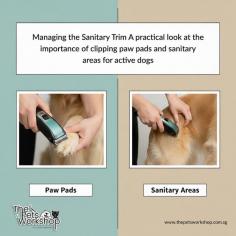
Active dogs bring energy, enthusiasm, and constant movement into daily life. Whether they enjoy long walks, outdoor play, or simply exploring every corner of their environment, their activity levels demand attentive care. One often overlooked aspect of maintenance is the sanitary trim. This practical grooming practice focuses on clipping paw pads and sanitary areas to maintain cleanliness, comfort, and hygiene. While it may not be as visually dramatic as a full haircut, it plays a crucial role in overall wellbeing. Understanding its importance helps owners approach dog grooming Singapore with greater awareness and responsibility toward their pets. Paw pads are essential contact points between a dog and the ground. They absorb impact, provide traction, and support balance. However, hair that grows between the pads can trap dirt, moisture, and debris. For active dogs, this buildup increases the risk of slipping, discomfort, and skin irritation. Trimming excess fur around the paw pads reduces these risks and improves stability. A clean surface allows the pads to function effectively, enhancing grip and movement. Regular maintenance of this area is a simple but significant part of dog grooming that directly contributes to mobility and safety. Moisture retention is another concern when paw pad hair is left unmanaged. Damp fur creates an environment where bacteria and fungi can thrive. Active dogs that frequently walk on wet grass, muddy trails, or damp surfaces are particularly vulnerable. Clipping the fur between the pads improves airflow and reduces moisture buildup. This simple step helps prevent infections and unpleasant odors. By prioritizing paw pad care, owners protect their dogs from avoidable health issues. Incorporating this into routine dog grooming supports both hygiene and long term paw health in energetic companions. The sanitary area also requires consistent attention. Fur around this region can collect waste residue, especially in active dogs with longer coats. Without trimming, this buildup may lead to matting, irritation, and hygiene concerns. A sanitary trim keeps the area clean and reduces the likelihood of discomfort. It also minimizes unpleasant smells that can develop when residue remains trapped in fur. Maintaining this area is not merely about appearance; it is about ensuring comfort and cleanliness. Responsible dog grooming Singapore includes caring for these sensitive regions to promote overall wellbeing. Active dogs often spend time running, jumping, and sitting on various surfaces. Excess fur around sanitary areas can trap environmental debris, including grass and dirt. This accumulation may cause itching or skin inflammation. By trimming carefully and regularly, owners reduce the risk of skin problems and maintain a healthier coat. Clean sanitary areas also make routine inspections easier. Early detection of redness or irritation becomes more manageable when fur is properly maintained. Through attentive dog grooming, owners create conditions that support both comfort and preventive care for their pets. Comfort plays a significant role in a dog’s behavior and mood. When paw pads or sanitary areas are neglected, discomfort may lead to excessive licking or biting. These behaviors can worsen irritation and increase the risk of infection. A well maintained trim reduces irritation and discourages these habits. Dogs that feel comfortable are more relaxed and content. Regular trimming becomes part of a proactive approach to care rather than a reactive solution to problems. By integrating sanitary trims into dog grooming routines, owners foster healthier habits and happier companions. Practicality is another advantage of maintaining a sanitary trim. Clean paw pads reduce the amount of dirt tracked indoors after outdoor activities. For active dogs, this can significantly improve household cleanliness. Similarly, trimmed sanitary areas minimize mess and simplify maintenance. This practical benefit encourages consistency in grooming practices. When hygiene routines become manageable, owners are more likely to maintain them regularly. Dog grooming thus extends beyond aesthetics to include daily functionality and convenience within the home environment. Safety is closely connected to paw pad maintenance. Excess hair can cause slipping on smooth surfaces, increasing the risk of minor injuries. Active dogs moving quickly across tile or hardwood floors benefit from trimmed pads that enhance traction. Improved grip supports confident movement and reduces accidental falls. This preventative measure may seem minor, but it contributes to overall safety. Dog grooming Singapore practices that address paw care help create a secure environment for energetic pets. Thoughtful maintenance protects both physical wellbeing and mobility. Professional dog grooming services often emphasize sanitary trims as part of comprehensive care. Groomers understand the technical precision required to trim sensitive areas safely. However, owners who choose to perform basic maintenance at home must approach the task carefully. Using appropriate tools and maintaining calm handling ensures the experience remains positive. Whether performed professionally or at home, consistency is key. Incorporating sanitary trims into a regular dog grooming schedule ensures ongoing hygiene and prevents buildup that could cause discomfort. Seasonal changes may also influence grooming needs. During warmer months, increased outdoor activity can lead to greater exposure to moisture and debris. Paw pad and sanitary trims become particularly important during these periods. In cooler seasons, longer coats may grow thicker, requiring attentive trimming to maintain cleanliness. Recognizing these shifts allows owners to adjust dog grooming routines accordingly. Flexibility ensures that active dogs remain comfortable regardless of weather conditions or activity levels. Communication between owners and groomers enhances results. Clear discussion about a dog’s lifestyle helps determine appropriate trimming frequency. Active dogs with dense coats may require more frequent attention than less active companions. By tailoring dog grooming routines to individual needs, owners provide personalized care. This approach ensures trims remain practical rather than excessive. Understanding each dog’s activity level and coat type supports balanced maintenance. Ultimately, managing the sanitary trim is about promoting health, hygiene, and comfort. Clipping paw pads enhances traction and prevents moisture related problems. Maintaining sanitary areas reduces irritation and supports cleanliness. Together, these practices form a practical foundation for responsible dog grooming Singapore. Active dogs thrive when their care routines align with their energetic lifestyles. By prioritizing these essential trims, owners demonstrate commitment to their pets’ wellbeing. Consistent attention to detail transforms routine grooming into a meaningful act of preventive care. In the end, a clean and comfortable dog is better equipped to enjoy every adventure with confidence and vitality. Visits us : https://www.thepetsworkshop.com.sg/

Thumb

0 repins 0 comments

A sleek, shiny coat is often a hallmark of a healthy cat. However, some cats develop a greasy buildup at the base of their tails and along their lower backs, a condition commonly referred to as “stud tail” or feline tail gland hyperplasia. While the name may suggest a behavioral issue, the cause is largely physiological. Excessive oil production from the tail gland, combined with grooming habits and underlying health factors, leads to the visible greasy appearance that many cat owners notice. Understanding the causes, consequences, and solutions for this condition is essential for maintaining feline hygiene and overall well-being. The tail base of a cat contains a specialized sebaceous gland, which produces natural oils that coat the fur and skin. These oils serve several functions: they provide water resistance, protect against environmental irritants, and contribute to the cat’s unique scent markers. In most cats, these oils are distributed evenly through normal grooming behaviors. Cats are meticulous groomers, using their rough tongues to clean, detangle, and stimulate oil production across the coat. However, in certain cats, this balance is disrupted, leading to localized oil accumulation, particularly around the tail and lower back. “Stud tail” is a term used to describe the greasy, often matted area near the tail base, and it is more prevalent in unneutered males, though females and neutered males can also be affected. The condition is characterized by excess sebum production, sometimes accompanied by hair loss, foul odor, and secondary skin infections if not addressed promptly. The accumulation can make daily cat grooming Singapore challenging, as mats form easily and simple brushing may not suffice to redistribute the oils or remove buildup. Several factors contribute to the development of greasy coats and stud tail. Hormonal changes play a significant role, particularly in intact male cats, where androgenic hormones stimulate sebaceous gland activity. Age can also influence oil production, as older cats may have decreased grooming efficiency or altered gland function. Nutritional deficiencies, stress, or obesity may exacerbate the condition, as overweight cats may struggle to groom the tail area effectively. Additionally, underlying skin conditions, flea infestations, or dermatitis can further complicate the situation, creating an environment for persistent greasiness and discomfort. While regular at-home brushing and cat grooming Singapore can help maintain coat health, greasy buildup at the tail base often requires professional intervention. Specialized cat spas and grooming centers offer targeted treatments that address deep-seated oils without compromising the skin or overall coat integrity. Unlike routine home brushing, which primarily removes surface debris, professional degreasing treatments penetrate the hair shaft, lift excess sebum, and restore balance to the feline coat. The first step in professional management involves assessment. Cat grooming specialists examine the affected area, evaluate the extent of oil accumulation, check for mats, and screen for secondary infections or skin irritations. This careful evaluation ensures that the treatment plan addresses the root cause rather than merely masking symptoms. It also helps identify whether hormonal factors, diet, or underlying medical conditions contribute to the excessive greasiness. Degreasing treatments at cat spas typically involve the use of specialized shampoos, conditioners, and topical agents formulated to safely remove excess oils. These products are often pH-balanced for feline skin and contain gentle surfactants that lift sebum without stripping the coat of essential natural oils. Some treatments incorporate soothing ingredients like aloe vera or oatmeal to calm inflamed skin, while others use enzymatic or lipid-targeting formulas to break down stubborn grease at the follicle level. The application process is meticulous. Cats may be bathed in stages, with repeated lathering and gentle massaging to ensure even distribution of cleansing agents. Professional groomers pay particular attention to the tail base, lower back, and surrounding regions, where buildup tends to concentrate. Following degreasing, the coat is rinsed thoroughly to remove residue, minimizing irritation and ensuring a clean, non-greasy finish. Drying is conducted carefully, often with low-heat air or specialized towels, to prevent overheating and maintain the coat’s natural texture. Become a Medium member Post-treatment care is an essential component of managing stud tail. Cat grooming Singapore specialists often provide recommendations for ongoing at-home maintenance, such as targeted brushing, monitoring for recurring greasiness, and dietary adjustments to support skin and coat health. Regular follow-ups at a cat spa can prevent recurrence, as professional treatments complement routine care by addressing deeper oil deposits that daily brushing cannot remove. Nutritional support plays a complementary role in controlling excess oil production. A balanced diet rich in essential fatty acids, proteins, and micronutrients promotes healthy skin function and optimal coat condition. Some cats may benefit from supplements that enhance skin hydration and reduce inflammation, further supporting professional degreasing treatments. Cat grooming, combined with proper nutrition, creates a holistic approach that addresses both the symptoms and underlying contributors to stud tail. Behavioral considerations are also important. Cats that are stressed, anxious, or overweight may groom less effectively, which exacerbates oil buildup. Environmental enrichment, regular play, and weight management can enhance self-grooming behaviors, making professional treatments more effective and extending the time between spa sessions. Understanding each cat’s unique grooming habits and lifestyle is therefore critical to creating a long-term plan that maintains coat health. While stud tail and greasy coats can be unsightly, timely intervention minimizes discomfort and prevents more serious complications. Left untreated, severe oil accumulation can lead to matting, folliculitis, or bacterial infections that require veterinary care. Professional cat grooming centers provide safe, controlled treatments that remove grease without causing stress or injury, offering both aesthetic and health benefits. By maintaining a routine that combines professional degreasing with at-home care, cat owners can ensure that their pets remain comfortable, clean, and confident. In addition to treating existing buildup, preventive strategies are key. Regular brushing, particularly for long-haired breeds, distributes oils evenly, removes loose hairs, and reduces the likelihood of mat formation. Monitoring the tail area for early signs of greasiness or irritation allows intervention before the problem becomes pronounced. Even cats with short hair benefit from periodic checks and gentle grooming, which stimulate blood flow, improve coat shine, and reinforce natural grooming habits. Specialized cat spas also educate owners on recognizing early indicators of stud tail. Signs such as greasy patches, slight odor, or localized hair thinning can signal the need for intervention. Early professional cat grooming prevents escalation, reducing the likelihood of painful mats or skin infections and maintaining the cat’s overall hygiene. This proactive approach ensures that cats maintain a healthy coat without requiring harsh treatments or frequent, stressful baths. Ultimately, managing stud tail is a combination of education, observation, and professional care. Understanding the physiology of the feline coat, recognizing contributing factors, and implementing a comprehensive grooming strategy ensures that both short-term appearance and long-term health are addressed. Professional cat grooming specialists Singapore play a critical role in this process, providing deep cleaning treatments that restore balance, guidance on maintenance routines, and interventions tailored to each cat’s needs. The benefits of addressing greasy coats extend beyond aesthetics. A well-maintained coat enhances comfort, reduces odor, and minimizes the risk of skin irritation or infection. Cats enjoy grooming themselves more effectively when buildup is reduced, which reinforces positive behavior and overall well-being. Owners gain peace of mind knowing that professional care complements their at-home efforts, creating a healthier, more enjoyable relationship with their pets. In conclusion, stud tail and greasy feline coats are more than cosmetic concerns; they reflect underlying gland activity, grooming habits, and overall health. While home brushing and care are important, professional cat grooming treatments provide a targeted solution that removes deep-seated oils safely and effectively. By understanding the causes, implementing preventive strategies, and utilizing specialized spa interventions, cat owners can maintain sleek, healthy coats, prevent complications, and ensure that their pets remain comfortable and vibrant. Recognizing the importance of professional degreasing, combined with thoughtful at-home maintenance, is the key to managing this common feline issue while promoting long-term coat health and overall well-being. Pop over here : https://www.thepetsworkshop.com.sg/

Thumb

0 repins 0 comments

Grooming is an essential part of responsible care for small pets such as rabbits and guinea pigs. While these gentle animals are often perceived as low maintenance, they require consistent and thoughtful grooming routines to remain healthy and comfortable. Proper grooming does more than maintain appearance; it supports skin health, prevents medical issues, and strengthens the bond between pet and owner. Understanding best practices ensures that grooming sessions are safe, calm, and beneficial for these sensitive companions. Rabbits and guinea pigs have delicate skin and fine fur that require a gentle approach. Unlike dogs or cats, they do not tolerate rough handling or frequent bathing. Their grooming needs center on brushing, nail trimming, ear checks, and hygiene maintenance. Each step must be performed with patience and careful technique to avoid stress or injury. Brushing is one of the most important aspects of grooming small pets. Rabbits, particularly long-haired breeds, shed regularly and can ingest loose fur while self-cleaning. Excessive fur ingestion may lead to digestive complications. Regular brushing removes loose hair, reduces shedding, and keeps coats smooth and free from tangles. Guinea pigs also benefit from brushing, especially long-haired varieties that are prone to matting. Using a soft-bristled brush or a small animal grooming comb ensures that fur is maintained without irritating the skin. When brushing, it is important to work in the direction of hair growth. Gentle strokes prevent pulling and discomfort. Grooming sessions should take place in a quiet, secure environment where the pet feels safe. Supporting the animal’s body properly reduces anxiety and prevents sudden movements that could cause injury. Bathing rabbits and guinea pigs is rarely recommended unless medically necessary. These animals are capable of maintaining their own cleanliness and can become stressed by water exposure. If cleaning is required, spot cleaning with a damp cloth is usually sufficient. Ensuring that the fur is completely dry afterward is critical, as dampness can lead to chills or skin problems. Nail trimming is another essential component of grooming. Small pets’ nails grow continuously and can become overgrown if not maintained. Long nails may cause discomfort, difficulty walking, or accidental scratches. Trimming should be performed carefully using appropriate small animal nail clippers. Identifying the quick, which contains blood vessels, is vital to avoid bleeding. If unsure, seeking guidance from a veterinarian or a trained professional is advisable. Ear care also plays a role in overall health. Rabbits and guinea pigs can accumulate debris in their ears, particularly if they live in dusty environments. Checking ears regularly helps detect early signs of infection, redness, or mites. Cleaning should only be done when necessary and with products specifically designed for small animals. Gentle handling is essential to prevent injury to the sensitive ear canal. Dental health is often overlooked but remains crucial. Both rabbits and guinea pigs have continuously growing teeth. Proper diet, including high-quality hay, supports natural tooth wear and reduces the need for intervention. During grooming sessions, owners can observe signs such as drooling, difficulty eating, or uneven teeth, which may indicate dental concerns requiring veterinary attention. Handling technique greatly influences the success of grooming sessions. Small pets are prey animals and may become frightened easily. Supporting their hindquarters and keeping movements slow and steady helps them feel secure. Sudden noises or improper restraint can lead to stress or even injury. Establishing a calm routine builds trust over time and makes grooming a positive experience.

Thumb

0 repins 0 comments

Sensitive skin has always presented a unique challenge in skincare. Unlike typical skin, it reacts more intensely to environmental factors, stress, or even daily products. This heightened reactivity often manifests as redness, itching, burning, or dryness, creating discomfort that can be both visible and distressing. Addressing these issues requires a gentle, targeted approach — and many modern spas have turned to a carefully formulated 20-component blend designed specifically for sensitive and irritable skin. The goal is to calm, restore, and protect, offering a level of care that goes beyond standard treatments. In a spa setting, this specialized blend serves as the centerpiece of treatments aimed at sensitive skin. The philosophy behind it is simple: rather than temporarily masking irritation, the blend works with the skin’s natural physiology to soothe inflammation, support barrier function, and enhance overall skin resilience. This approach makes the treatment particularly effective for individuals prone to flare-ups or chronic sensitivity. Calming Irritation and Redness One of the most immediate benefits of the blend is its ability to reduce visible signs of irritation. Sensitive skin often reacts with localized redness or blotchiness, which can worsen if left untreated. The blend is formulated to gently counteract these reactions, minimizing discomfort and restoring a calm, even appearance. Treatments that use this formulation in a spa setting are often described as cooling and comforting, providing relief within minutes of application. Repeated exposure to stressors such as pollution, sun, or even temperature changes can exacerbate inflammation. The 20-component formulation acts at multiple levels to address these triggers. Rather than targeting a single cause, it mitigates the inflammatory response holistically, helping the skin return to a balanced state while reducing long-term sensitivity. Strengthening the Skin Barrier Sensitive skin is often the result of a compromised barrier. When the outer layer of skin is weakened, moisture escapes more easily, and irritants penetrate more readily, triggering redness and discomfort. The 20-component blend in this spa treatment is designed to restore this barrier by reinforcing the skin’s natural protective mechanisms. Regular use supports hydration, reduces water loss, and enhances resilience, making the skin less prone to irritation from environmental or product-based stressors. Barrier support is especially critical for inflamed skin, which can become fragile and prone to further damage. By improving the integrity of the skin’s protective layer, the blend creates a stable foundation for healing. Over time, this not only reduces acute flare-ups but also minimizes the likelihood of future sensitivity episodes. Hydration and Moisture Retention Dryness is a common companion of sensitive skin, often exacerbating irritation and discomfort. The blend’s formulation prioritizes deep hydration, replenishing moisture where it is most needed. Enhanced moisture retention helps maintain elasticity, softens texture, and reduces the rough, tight feeling often associated with sensitive or inflamed skin. Hydration is also critical for the skin’s repair processes. Well-moisturized skin responds more effectively to calming agents and recovers faster from irritation. In spa treatments, this is experienced as a combination of immediate comfort and long-term improvement, with skin feeling supple and nourished after each session. Reducing Inflammation Naturally Inflammation is at the core of many sensitive skin reactions. The 20-component blend works to reduce swelling, warmth, and discomfort associated with inflammatory responses. Its action is gentle yet effective, targeting multiple pathways that contribute to redness and irritation. For those with chronic sensitivity or reactive skin conditions, this calming effect can be transformative. By reducing inflammatory signaling, the blend not only improves appearance but also alleviates the uncomfortable sensations of burning, stinging, or tightness that are often overlooked in traditional skincare routines. Soothing and Comforting Sensory Experience Beyond physiological effects, the blend is designed to create a sensory experience that complements its therapeutic properties. In spa treatments, the soothing textures and subtle aromatic qualities contribute to relaxation, helping to reduce stress-related skin reactivity. Stress is a well-known trigger for flare-ups in sensitive skin, and by promoting a sense of calm, the blend indirectly supports skin health. This dual approach — addressing both physical and sensory factors — is a hallmark of treatments that prioritize overall well-being. The skin feels not only soothed but cared for, creating a lasting impression of comfort and calm. Supporting Long-Term Skin Health While immediate relief is important, the true value of the blend lies in its support for long-term skin health. Consistent use reinforces the skin’s natural defenses, making it more resilient to environmental challenges. Over time, individuals notice fewer flare-ups, reduced redness, and improved texture and tone. This proactive approach distinguishes sensitive skin spa treatments from standard cosmetic procedures. Rather than masking symptoms temporarily, the formulation promotes lasting improvements, ensuring that the skin remains balanced and less reactive to daily stresses. Versatility Across Different Skin Types Although the blend is designed specifically for sensitive skin, its benefits extend to a variety of skin conditions. Individuals with reactive, dry, or inflamed skin can all experience improvement with regular treatments. Its gentle formulation makes it suitable for repeated use without the risk of overstimulation, allowing the skin to gradually adapt and strengthen. Interestingly, the principles behind the formulation are not limited to human skin. For example, professional dog spas Singapore have begun exploring similar concepts in canine skincare. Dogs with sensitive coats or irritated skin respond positively to treatments that focus on calming, hydration, and barrier support — demonstrating the universal effectiveness of a balanced, multi-component approach. How Spa Treatments Enhance the Blend’s Benefits The spa setting amplifies the effectiveness of the 20-component blend. Techniques such as gentle massage, warm compresses, or mild exfoliation help the active components penetrate more effectively, ensuring the skin receives maximum benefit. Therapists trained in sensitive skin care can tailor the application to each individual’s needs, adjusting duration, temperature, and product concentration for optimal results. This combination of expert technique and thoughtfully formulated blend creates a holistic experience, where immediate comfort is paired with long-term improvement. Many clients report that even a single session leaves their skin feeling calmer, more hydrated, and visibly less irritated. The 20-component blend used in sensitive skin spa treatments offers a comprehensive solution for irritable and inflamed skin. Its multi-faceted approach addresses inflammation, barrier support, hydration, and overall resilience, providing relief where conventional products often fail. By focusing on both immediate and long-term outcomes, this treatment empowers individuals to manage sensitive skin more effectively, enhancing comfort and confidence. Even outside the traditional human spa context, the principles behind this blend find value in specialized settings such as dog spas Singapore, illustrating the versatility and efficacy of a holistic, gentle approach to skin care. Ultimately, the blend exemplifies how carefully crafted, plant-based treatments can transform sensitive skin — calming irritation, restoring balance, and fostering lasting health. Visits us : https://www.thepetsworkshop.com.sg/

Thumb

0 repins 0 comments

Long nails in dogs and cats are often dismissed as a minor cosmetic issue, yet they pose serious health risks that can quietly affect an animal’s quality of life. While many pet owners focus on diet, exercise, and vaccinations, nail length is frequently overlooked. Overgrown nails alter posture, disrupt natural movement, and place abnormal stress on joints and bones. Over time, these changes can lead to chronic pain, mobility issues, and long-term skeletal damage. Understanding the hidden dangers of long nails is essential for responsible pet care and overall animal wellbeing. Healthy nails are designed to support balance and traction. When nails are maintained at an appropriate length, dogs and cats distribute their weight evenly across their paws. This balanced alignment allows joints, muscles, and bones to function as intended. However, when nails grow too long, they interfere with this natural structure. The animal is forced to adjust how it stands and walks, often without obvious signs at first. These subtle changes can gradually evolve into serious orthopedic problems. One of the primary issues caused by overgrown nails is altered posture. As nails extend beyond the paw pad, they push against the ground with every step. This pressure forces the toes to splay unnaturally or curl upward, shifting the animal’s weight backward. The joints in the feet, legs, and spine compensate for this imbalance, leading to uneven stress distribution. Over time, this unnatural posture can strain tendons and ligaments, increasing the risk of inflammation and joint degeneration. Joint problems often develop gradually, making them difficult to detect in the early stages. Dogs and cats may continue normal activities while silently experiencing discomfort. As the joints absorb repeated abnormal pressure, cartilage begins to wear down. This process accelerates the onset of arthritis, particularly in the wrists, elbows, hips, and knees. Once joint damage progresses, it can significantly limit mobility and reduce an animal’s ability to perform everyday movements comfortably. Skeletal issues are another serious consequence of long nails. Bones are designed to bear weight in specific ways, and when posture is compromised, skeletal alignment can shift. Over time, this misalignment can affect the spine, leading to curvature or compression that places additional strain on surrounding muscles and nerves. In severe cases, prolonged imbalance can contribute to chronic back pain and reduced flexibility, impacting the animal’s overall physical health. Cats, despite their reputation for agility, are equally vulnerable to the effects of overgrown nails. Long nails can catch on surfaces, causing sudden jolts that strain joints and muscles. Additionally, cats rely heavily on precise paw placement for jumping and landing. When nails interfere with traction and balance, the risk of joint stress increases. Repeated strain during movement can gradually weaken joints, leading to stiffness and reduced mobility as the cat ages. Another hidden danger of long nails is the impact on gait. Gait refers to the way an animal walks, and even slight changes can have widespread effects. Overgrown nails alter stride length and foot placement, causing muscles to work harder to compensate. This constant compensation leads to muscle fatigue and uneven muscle development. Over time, imbalanced muscle strength further destabilizes joints and exacerbates skeletal stress. Get Thepetsworkshop’s stories in your inbox Join Medium for free to get updates from this writer. Enter your email Subscribe Pain caused by long nails is not always obvious. Animals instinctively hide discomfort, especially cats. Subtle behavioral changes such as reduced activity, reluctance to jump, or changes in posture may be the only indicators. Without intervention, pain can become chronic, affecting mood, appetite, and overall quality of life. What begins as a simple grooming oversight can quietly evolve into a complex medical issue. Nail length also influences an animal’s confidence in movement. Pets with overgrown nails may slip more frequently on smooth surfaces, leading to sudden twists or falls. These incidents can place abrupt pressure on joints, increasing the risk of sprains and long-term damage. Repeated minor injuries accumulate over time, contributing to joint instability and skeletal wear. Regular nail maintenance plays a critical role in preventing these issues. Keeping nails at an appropriate length allows paws to function naturally and supports healthy movement. For many pet owners, managing nail care at home can be challenging due to animal anxiety or lack of proper tools. This is where professional pet grooming services Singapore become an important part of preventative healthcare. Skilled groomers understand proper nail length and technique, ensuring safe and effective trimming that supports joint and skeletal health. Beyond trimming, professional pet grooming services often include assessments that can identify early warning signs of mobility issues. Groomers who regularly handle animals can notice changes in posture, gait, or nail wear patterns that may indicate underlying problems. Early detection allows pet owners to seek veterinary advice before issues progress into chronic conditions. Consistency is key when it comes to nail care. Allowing nails to grow too long between trims increases the likelihood of quick elongation, making future trims more uncomfortable. Maintaining a regular schedule helps keep nails short while minimizing stress for the animal. Over time, this routine supports proper alignment and reduces unnecessary strain on joints and bones. As pets age, the importance of nail maintenance increases. Older dogs and cats are more susceptible to arthritis and skeletal issues, making them less able to compensate for imbalances caused by long nails. Proper nail care becomes a crucial element of senior pet health, helping to preserve mobility and comfort in later years. Education plays a vital role in addressing the hidden dangers of long nails. Many pet owners are unaware of the connection between nail length and orthopedic health. By understanding how something seemingly minor can influence the entire musculoskeletal system, owners can make more informed decisions about grooming and preventative care. In conclusion, long nails are far more than a cosmetic concern. They disrupt posture, alter gait, strain joints, and compromise skeletal alignment in both dogs and cats. These changes occur gradually, often without obvious symptoms, until significant damage has already developed. Regular nail maintenance is a simple yet powerful way to protect an animal’s long-term health and comfort. Incorporating routine nail care into a pet’s overall wellness plan, whether at home or through professional pet grooming services Singapore, helps prevent avoidable pain and mobility issues. By addressing nail length early and consistently, pet owners can support healthy movement, reduce the risk of joint and skeletal problems, and ensure a higher quality of life for their dogs and cats. Awareness and proactive care make all the difference in safeguarding pets from the hidden dangers of overgrown nails. Pop over here : https://www.thepetsworkshop.com.sg/

Thumb

0 repins 0 comments

Pomeranians and Golden Retrievers are beloved for their stunning coats, expressive faces, and affectionate personalities. Their double coats — composed of a soft, dense undercoat and a longer, protective outer coat — are not just for aesthetics; they serve critical functions in regulating body temperature, protecting against the elements, and maintaining overall skin and coat health. Yet, a common misconception leads some owners to shave their dogs during warm weather, believing that cutting the fur will make them cooler. Unfortunately, this well-intentioned action can lead to serious consequences. Understanding the structure of a double coat, the dangers of shaving, and the benefits of professional undercoat removal is essential for responsible pet care and effective dog grooming Singapore. The Anatomy of a Double Coat A double coat consists of two distinct layers: the undercoat and the topcoat. The undercoat is soft, dense, and insulating. Its primary role is to trap air close to the skin, regulating temperature in both cold and hot conditions. In winter, the undercoat keeps the dog warm, while in summer, it acts as a natural barrier against heat. The outer coat, composed of longer, coarser guard hairs, provides protection from moisture, dirt, and UV rays. This layered system is an evolutionary adaptation that allows breeds like Golden Retrievers and Pomeranians to thrive in a variety of climates. When this coat is healthy and properly maintained, it creates a natural airflow system. The air trapped between the undercoat and topcoat allows heat to escape while keeping the skin insulated, effectively preventing both overheating and excessive cooling. Shaving disrupts this balance by removing the protective top layer and exposing the sensitive undercoat and skin directly to sunlight, wind, and environmental stressors. Why Shaving Can Be Harmful Shaving a double-coated breed is more than a cosmetic change; it is a physiological disruption. One immediate effect is that the undercoat grows back differently. After a shave, the dense undercoat may regrow unevenly or become matted, while the guard hairs can grow back slower or inconsistently. This can result in patchy fur and long-term coat damage, often requiring extensive dog grooming interventions to restore a healthy texture and appearance. Beyond aesthetics, shaving compromises temperature regulation. The coat that naturally keeps a dog cool in summer is removed, leaving the skin exposed to UV radiation and increasing the risk of sunburn. Dogs are prone to heat stress, and shaving can inadvertently make them hotter rather than cooler. Additionally, the absence of the protective outer layer makes the dog more vulnerable to insect bites, allergens, and scratches. For active outdoor breeds like Golden Retrievers, this can translate to increased irritation and a higher likelihood of skin infections. Another consideration is behavioral and emotional stress. Dogs rely on their coat for sensory feedback. A sudden change in coat length can be disorienting, causing discomfort or anxiety. Some dogs develop behavioral issues due to the unfamiliar sensation of shaved skin or the irritation caused by uneven regrowth. For breeds with thick undercoats like Pomeranians, this stress can be compounded during dog grooming if the coat is not managed carefully. The Alternative: Undercoat Removal Fortunately, there is a safer, more effective way to help double-coated dogs stay comfortable during warm months: professional undercoat removal. Unlike shaving, undercoat removal targets only the soft, dense layer while leaving the protective topcoat intact. This practice thins out excess fur, reduces matting, and promotes better air circulation, all without compromising the coat’s natural protective functions. Undercoat removal is particularly valuable for breeds that shed heavily. Golden Retrievers, for example, experience seasonal shedding cycles where the undercoat thickens significantly. Attempting to shave during this period can lead to uneven regrowth and prolonged coat damage. Instead, a structured dog grooming Singapore routine that incorporates undercoat removal reduces shedding, keeps the dog cooler, and maintains coat integrity. The process is typically carried out with specialized grooming tools designed to remove loose undercoat efficiently without cutting or harming the guard hairs. Regular sessions prevent mats, tangles, and excessive fur accumulation around the ears, chest, and tail, which are common trouble spots. Undercoat removal also improves skin health by promoting better air circulation and allowing natural oils to distribute evenly along the hair shaft, giving the coat a shiny, resilient finish. Health Benefits of Proper Coat Maintenance Maintaining a double coat with undercoat removal has far-reaching health benefits beyond temperature regulation. For instance, proper removal prevents hotspots, a condition where trapped moisture and bacteria under matted fur lead to inflamed, itchy patches of skin. By keeping the undercoat manageable, airflow improves, reducing the risk of bacterial or fungal infections. Undercoat removal also reduces the frequency and intensity of seasonal shedding. This can be particularly beneficial for owners prone to allergies or living in shared spaces. A thinner undercoat means fewer loose hairs around the house, less cleanup, and a more comfortable environment for both the dog and the family. Regular grooming sessions also provide opportunities for early detection of lumps, bumps, or skin irritations, enhancing preventive health care. Common Misconceptions About Shaving and Cooling Many owners mistakenly believe that a shorter coat directly correlates with a cooler dog. While a trimmed coat may feel less heavy to the human eye, it does not function as a thermal regulator. The natural airflow system created by a full double coat is far more effective than any temporary trim. Shaving disrupts this mechanism, often resulting in increased heat retention in deeper layers of the skin, making dogs more susceptible to heatstroke during outdoor activities. Additionally, some believe that shaving will make bathing easier or reduce grooming needs. While it may temporarily remove some bulk, the long-term consequences — uneven regrowth, matting, and skin exposure — require more frequent grooming interventions, defeating the purpose of convenience. Professional dog grooming, with a focus on undercoat removal, achieves the desired cooling effect without sacrificing health, protection, or aesthetics. Integrating Undercoat Removal Into Routine Dog Grooming To maximize comfort and coat health, undercoat removal should be part of a routine dog grooming Singapore schedule. Frequency depends on the breed, season, and activity level. For high-shedding breeds, sessions every 6 to 8 weeks during heavy shedding periods help manage coat density effectively. Off-season maintenance sessions help maintain the undercoat without over-thinning the natural insulation. Proper technique is essential. Using the wrong tool or excessive force can damage guard hairs, irritate the skin, and cause uneven thinning. Professional groomers are trained to assess coat density, length, and condition before beginning undercoat removal, ensuring a safe and efficient process. For owners who prefer at-home maintenance, investing in quality grooming tools and learning correct techniques is crucial to prevent accidental harm. Conclusion: Protecting the Double Coat Pomeranians, Golden Retrievers, and other double-coated breeds thrive when their coat’s natural structure is respected. Shaving may seem like a quick solution to heat, shedding, or grooming challenges, but it disrupts essential protective mechanisms, increases health risks, and complicates coat regrowth. Professional undercoat removal offers a safe, effective, and humane alternative. By selectively thinning the dense undercoat while preserving the outer coat, dogs stay cooler, maintain healthy skin, and enjoy a manageable grooming routine. Regular dog grooming sessions, combined with undercoat removal, prevent matting, reduce shedding, and promote overall wellbeing. Ultimately, respecting the natural double coat is not just a matter of aesthetics; it is a cornerstone of responsible pet care that ensures dogs remain comfortable, healthy, and happy throughout the seasons. In essence, double-coated dogs are designed by nature to regulate their own body temperature. Shaving interferes with this sophisticated system, while undercoat removal enhances it. Through professional dog grooming Singapore practices, owners can help their dogs cope with heat, manage shedding, and enjoy the benefits of a full, healthy coat — all without the risks associated with shaving. Understanding these nuances is critical for any responsible pet owner, ensuring that every grooming session contributes positively to the dog’s comfort, health, and happiness. Visits us : https://www.thepetsworkshop.com.sg/

Thumb

0 repins 0 comments

The concept of a separate facility for feline grooming has gained increasing attention as more owners seek low stress care for their cats. Unlike dogs, cats are highly sensitive to changes in environment, sound, and scent. When grooming takes place in a mixed setting, unfamiliar noises and smells can trigger a stress response that affects both behavior and physiology. Understanding why a dog free environment matters begins with recognizing how stress hormones, particularly cortisol, influence a cat’s experience. By isolating grooming spaces specifically for cats, professionals can create calmer sessions that benefit the animal, the groomer, and the owner alike, while elevating the standards of modern cat grooming Singapore. Cortisol is a hormone released when an animal perceives a threat. In cats, elevated cortisol levels are linked to anxiety, defensive aggression, excessive vocalization, and attempts to escape. A shared grooming space often contains barking, movement, and unfamiliar canine odors, all of which cats may interpret as danger signals. Even if dogs are well behaved, their presence alone can activate a cat’s stress response. Over time, repeated exposure to these stressors can condition cats to fear grooming altogether. A separate facility removes these triggers, allowing cortisol levels to remain lower throughout the session. Lower cortisol has direct effects on behavior. Cats in calm environments are more likely to remain still, tolerate handling, and cooperate during grooming procedures. This reduces the need for physical restraint, which itself can elevate stress and increase the risk of injury. Groomers working in feline only spaces often report smoother sessions, fewer scratches, and improved efficiency. From the cat’s perspective, the experience feels less like a threat and more like a manageable routine. This behavioral stability is one of the most important advantages of a separate grooming facility. The sensory environment plays a critical role in feline stress. Cats have acute hearing and can detect frequencies far beyond the human range. Sudden loud sounds, such as barking or metal clippers used nearby, can be overwhelming. In a dog free grooming space, sound levels are easier to control, and equipment can be selected specifically for quiet operation. Lighting can also be adjusted to softer levels, reducing visual overstimulation. These environmental controls contribute to a sense of safety that helps keep cortisol production in check. Smell is another powerful factor. Canine scents are rich with social information that cats do not always interpret positively. In mixed facilities, even residual odors on towels, tables, or grooming tools can be enough to unsettle a cat. Separate facilities allow for strict scent management, using cleaning products and materials chosen specifically for feline sensitivity. When a cat enters a space that smells neutral or familiar, the body remains in a calmer physiological state, supporting a smoother grooming session. Handling techniques also differ significantly between cats and dogs. In a cat only environment, staff can be trained exclusively in feline behavior, body language, and stress signals. This specialization means subtle signs of discomfort are recognized early, allowing groomers to adjust their approach before stress escalates. Shorter sessions, strategic breaks, and gentle handling all contribute to maintaining low cortisol levels. This level of attention is harder to achieve in a shared facility where staff must constantly switch between species with very different needs. Become a member The benefits of reduced stress extend beyond the grooming appointment itself. Cats that experience calm grooming sessions are less likely to develop long term aversions. Owners often notice that their cats recover more quickly afterward, returning to normal eating and social behavior sooner. Over time, this positive reinforcement can transform grooming from a dreaded event into a tolerable, even routine, part of life. This outcome aligns with the broader goals of humane animal care and responsible cat grooming Singapore practices. Health considerations further support the value of separate facilities. Stress can suppress the immune system, making cats more vulnerable to illness. For cats with chronic conditions, senior cats, or those recovering from medical treatment, minimizing stress is especially important. A quiet, controlled grooming environment reduces unnecessary physiological strain, supporting overall wellbeing. Groomers can also take more time to assess skin, coat, and nail health without rushing, leading to earlier detection of potential issues. From a professional standpoint, separate facilities enhance safety and workflow. Groomers are less likely to be distracted by activity involving other animals, allowing them to focus fully on the cat in their care. Equipment and workspaces can be designed ergonomically for feline grooming tasks, improving precision and reducing fatigue. This focus not only improves outcomes for cats but also supports higher service standards within the industry. Owners increasingly seek services that prioritize emotional welfare alongside physical care. A separate grooming facility sends a clear message that the cat’s comfort is a priority, not an afterthought. This builds trust and confidence, encouraging regular maintenance rather than infrequent, stressful visits. Consistent grooming supports coat health, reduces matting, and improves hygiene, all while preserving the cat’s emotional balance. These advantages highlight why specialized environments are becoming a preferred choice among informed owners. The concept of a dog free grooming space reflects a broader shift toward species appropriate care. Recognizing that cats are not simply small dogs is essential to meeting their needs effectively. By designing facilities that respect feline sensitivities, grooming professionals can significantly reduce cortisol levels and create experiences that are calmer and more predictable. This approach benefits every stage of the grooming process, from arrival to departure, and reinforces best practices in cat grooming Singapore. Another important dimension of a separate grooming facility is predictability. Cats thrive on routine and consistency, and unfamiliar environments can quickly undermine their sense of control. When a grooming space is designed exclusively for cats, every element, from the layout to the sequence of procedures, can remain consistent between visits. This familiarity reduces anticipatory stress before handling even begins. Lower anticipation means cortisol levels do not spike as sharply, allowing the cat to remain more relaxed throughout the process. Predictability also supports better learning, as cats begin to associate the environment with neutral or mildly positive outcomes rather than fear. Finally, a cat focused facility encourages ongoing education and refinement of feline specific practices. Groomers working in such environments are more likely to invest in continuing training related to feline behavior, stress reduction, and gentle techniques. This culture of specialization raises industry standards and benefits cats collectively. When facilities commit to separation, they acknowledge that emotional welfare is inseparable from physical grooming outcomes. This holistic perspective reinforces the value of thoughtful design, careful handling, and informed practice within professional cat grooming services. In conclusion, the separate facility advantage lies in its ability to address the unique physiological and psychological needs of cats. By eliminating canine related stressors, controlling sensory input, and applying specialized handling techniques, these environments support lower cortisol levels and smoother grooming sessions. The result is a safer, calmer, and more humane experience that aligns with modern expectations of quality care. By prioritizing calm spaces, specialized skills, and feline centered design, separate grooming facilities represent a meaningful evolution in compassionate care, ensuring cats experience necessary maintenance without unnecessary fear, distress, or lasting behavioral consequences. Globally. Pop over here : https://www.thepetsworkshop.com.sg/

Thumb

0 repins 0 comments

Grooming cats can be a challenging task, even for experienced professionals. Unlike dogs, cats are often more sensitive to handling, prone to stress, and less tolerant of unfamiliar environments. For some cats, a simple bath or nail trim can quickly escalate into anxiety or defensive behavior. That’s where the stylists at The Pets Workshop have perfected techniques to provide high-quality grooming for “difficult” or “anxious” cats — all without sedation. Their approach emphasizes patience, understanding feline behavior, and using specialized handling methods that prioritize the cat’s comfort and safety. At the heart of this approach is the philosophy that every cat is unique. Stylists at The Pets Workshop recognize that stress responses vary widely among cats. Some may hide at the first sign of handling, while others may become vocal or aggressive. By assessing a cat’s temperament and observing body language, the stylist can adapt their approach in real-time. This individualized care ensures that each cat receives a grooming experience tailored to their needs, making the process less stressful and more effective. One key technique involves gradual desensitization. Rather than forcing a cat into a full grooming session immediately, stylists break down the process into smaller, manageable steps. For example, the cat may first be allowed to explore the grooming area at its own pace. They are gently touched and handled in non-threatening ways before any grooming tools are introduced. Over time, repeated positive experiences reduce anxiety and increase cooperation. Stylists often use treats or gentle praise as reinforcement, helping the cat associate grooming with comfort rather than fear. Handling methods are another cornerstone of The Pets Workshop’s approach. Stylists are trained in specialized techniques that ensure the cat’s safety while minimizing stress. This includes using supportive holds that prevent injury to both the cat and the stylist, maintaining calm body language, and moving slowly to avoid triggering defensive reactions. By keeping movements deliberate and predictable, stylists can create a sense of security for the cat, making even challenging grooming tasks possible without sedation. Environmental factors also play a significant role. The Pets Workshop maintains grooming spaces designed specifically for cats, with soft surfaces, quiet rooms, and minimal distractions. Reducing noise, limiting other animals’ presence, and controlling lighting all contribute to a calmer atmosphere. Stylists understand that a stressful environment can exacerbate anxiety, so they create spaces where cats feel safe and supported throughout the grooming session. For anxious cats, progressive grooming techniques are often employed. Stylists may begin with basic tasks, such as brushing or trimming nails, before moving on to more intensive procedures like bathing or trimming matted fur. By breaking the session into shorter intervals, cats are less likely to become overwhelmed, and the stylist can maintain a gentle, controlled pace. Each step is guided by the cat’s responses, ensuring that the process remains calm and positive. The role of communication cannot be overstated. Although cats do not understand verbal commands like dogs, stylists use a combination of soothing tones, slow gestures, and eye contact to convey reassurance. This professional approach helps build trust and establishes a rapport between the cat and the stylist. Over time, repeated exposure to these methods can transform even highly anxious cats into more comfortable grooming clients. Stylists at The Pets Workshop also employ specialized grooming tools designed to reduce discomfort and fear. These tools are quieter, lighter, or more ergonomic than standard grooming equipment, which minimizes noise and sudden movements that might startle a cat. By combining proper tools with expert handling, the grooming experience becomes significantly less intimidating for cats that are sensitive or fearful.

Thumb

0 repins 0 comments

There is something uniquely eye-opening about shadowing a thriving grooming salon in Singapore, especially one operating at full capacity from morning rush to late-night appointments. Observing the workflow, culture, and behind-the-scenes operations over a complete 24-hour cycle reveals business realities that textbooks rarely capture. Many aspiring entrepreneurs imagine grooming salons as calm environments where stylists gently pamper pets. But stepping inside the busiest grooming salon in a city as fast-paced as Singapore tells a very different story — one that blends precision, customer psychology, team coordination, and business resilience. For those who dream of entering the industry or have completed a pet grooming course Singapore, spending a day inside such a salon provides invaluable lessons. These are insights that come not from classrooms, but from witnessing systems in action. Lesson 1: Peak hours are not just busy — they are high-stakes moments that define brand perception Early morning in the salon begins with the first wave of clients rushing to drop off their pets before work. The staff must process a stream of incoming animals of different temperaments while simultaneously managing anxious owners. In this window, operational efficiency is everything. Any delay, miscommunication, or hesitation is immediately noticeable. The way the team handles this period determines whether customers perceive the salon as organized or chaotic. From shadowing the team, one realizes that peak hours are not merely about speed — they are about emotional management. Pets sense the collective energy, and nervous dogs or restless cats can quickly escalate tension. Groomers must project calm confidence while staying disciplined in their workflow. The receptionist becomes the emotional anchor, setting expectations, diffusing uncertainty, and keeping check-ins moving. This hour is when all systems — from booking software to grooming prep routines — must perform flawlessly. Entrepreneurs often underestimate how much brand loyalty is shaped in these first interactions of the day. If the drop-off process feels smooth, customers instantly trust the team. If not, it takes months to rebuild confidence. A pet grooming course Singapore may teach technical grooming techniques, but only firsthand exposure reveals how deeply customer perception hinges on peak-hour execution. Lesson 2: The grooming floor is a choreography of skill, communication, and silent awareness Once the morning rush subsides, the grooming floor becomes a study in coordinated movement. Every groomer has a unique style, but in a busy salon, their individual rhythms must merge into a cohesive flow. Watching the team for hours reveals the unspoken communication that makes this possible — hand signals, quick glances, or a simple passing comment that keeps everyone aligned. Unlike many service industries, grooming requires managing living, unpredictable beings. A slight motion from one dog can trigger a reaction from another. Groomers must maintain awareness not only of their own station but of surrounding pets as well. This is where professional training truly shows its value. You can immediately tell who has undergone a structured pet grooming course Singapore because they handle animals with steady hands, efficient movements, and sensitivity to behavioral cues. One of the biggest surprises from shadowing is how much time is spent preparing pets before the actual grooming begins. Nail checks, coat assessments, and calming techniques are essential steps. These are not small tasks — they determine whether the rest of the session will go smoothly or become a struggle. Skilled groomers invest heavily in this foundation, understanding that patience early on saves time later. For business owners, this lesson is clear: quality grooming is not about rushing through tasks, but about structuring processes that allow groomers to work efficiently without compromising animal welfare. Productivity comes from systems, not shortcuts. Lesson 3: Customer communication is a continuous, high-touch cycle, not a one-time conversation In many industries, customer interaction is limited to check-in and check-out. But in a grooming salon, communication stretches throughout the entire service cycle. Over a 24-hour shadowing experience, one sees how frequently staff update clients, clarify grooming preferences, address concerns, and confirm instructions. Pet owners often have detailed expectations, and even slight misunderstandings can lead to dissatisfaction. Become a member The salon team demonstrates that proactive communication prevents complaints. Rather than waiting for issues to arise, they message clients mid-session if they encounter matting, skin sensitivity, or behavioral challenges. This transparency builds trust and reduces the likelihood of disputes. It also positions the salon as a partner, not just a service provider. Observing this reveals an important business truth: grooming is as much about managing owners as it is about caring for pets. Customers want reassurance that their pets are safe, respected, and comfortable. They want to feel included in the grooming process. Even the busiest salons must cultivate this sense of involvement. This level of communication requires training, empathy, and a culture that values service excellence. A pet grooming course Singapore may teach grooming techniques, but understanding client psychology only comes through real-world experience. Shadowing highlights how crucial it is to develop communication frameworks — scripts, updates, consent messages, and follow-up care guidance. Lesson 4: Crisis management skills separate average salons from exceptional ones During a 24-hour observation, unpredictable situations inevitably arise. A frightened dog resists grooming. A pet exhibits signs of stress. A customer expresses dissatisfaction. Equipment malfunctions. A groomer feels unwell. These moments reveal the true character of a business. The team in a busy Singapore salon handles crises with calm professionalism. They know how to quickly reorganize schedules, redistribute tasks, or bring in senior groomers to support challenging pets. They respond to customer frustrations with empathy, even when the issue originates outside the salon’s control. One of the most striking lessons is how deeply crisis management is embedded into daily routines. Staff members regularly conduct safety checks and maintain detailed grooming notes. Pets with special needs receive extra supervision. Groomers communicate openly about challenges to prevent issues from escalating. This proactive culture ensures that even when unexpected situations arise, the team navigates them effectively. Shadowing shows how important it is for business owners to invest in comprehensive staff training — not only grooming skills but emergency response, conflict resolution, and animal handling techniques. Completing a pet grooming course provides foundational knowledge, but thriving in a real salon requires continuous learning and adaptability. Lesson 5: The late-night hours reveal the true backbone of the business — behind-the-scenes operations and team culture As evening transitions into late night, the salon environment shifts. Fewer customers remain, and the grooming floor becomes quieter. During these hours, the unseen work of the business becomes visible. Groomers meticulously clean equipment, sanitize workstations, prepare supplies for the next day, and update grooming records. This backstage labor ensures that the salon operates smoothly during peak hours. Observing the closing routine provides insight into the discipline and professionalism behind a successful grooming operation. Teams that take sanitization and maintenance seriously reduce health risks, prevent equipment failures, and extend the longevity of their tools. These routines reflect respect for both the craft and the animals. This is also the time when team culture shines. Groomers share stories from the day, celebrate small victories, support new team members, and review difficult cases. This camaraderie strengthens resilience. In a high-demand industry, burnout is a real risk, and a supportive work environment helps retain skilled staff. From a business standpoint, the late-night hours reveal that success is built not just on grooming skills, but on leadership, structure, and thoughtful processes. Anyone planning to join the industry — even after completing a pet grooming course Singapore — must understand that grooming is both a craft and a discipline that extends far beyond working hours. Visit our site : https://www.thepetsworkshop.com.sg/

Thumb

0 repins 0 comments

Proper grooming goes far beyond aesthetics. For active dogs in particular, routine grooming practices play a crucial role in maintaining hygiene, comfort, and overall health. Among these practices, the sanitary trim — specifically clipping paw pads and sanitary areas — often receives less attention than coat styling or bathing, yet it is one of the most practical and beneficial aspects of dog care. Understanding why these areas require regular attention helps owners make informed decisions that directly impact their dog’s daily well-being. Active dogs spend a significant amount of time moving, running, and exploring various environments. As a result, their paws and rear areas are constantly exposed to dirt, moisture, debris, and bacteria. Without proper trimming, hair in these regions can trap unwanted materials, leading to discomfort and potential health issues. Managing a sanitary trim is not about cosmetic preference; it is about ensuring functionality, cleanliness, and safety. Clipping the hair between and around paw pads is especially important for dogs that are frequently outdoors. Paw pad fur can grow long and dense, creating a surface that collects mud, sand, grass seeds, and small stones. Over time, this buildup can cause irritation, abrasions, or even infections. Long paw hair can also reduce traction, increasing the risk of slipping on smooth or wet surfaces. A well-maintained trim allows dogs to move confidently and naturally. In addition to traction and cleanliness, paw pad trimming supports temperature regulation. Hair between the pads can retain heat, making dogs more susceptible to discomfort during warm conditions. For active dogs that exercise frequently, this trapped heat can contribute to fatigue or overheating. Keeping the paw pads neatly trimmed promotes airflow and comfort, especially during extended activity. Sanitary area grooming is equally essential. Hair around the rear and inner thighs can easily collect urine, fecal matter, and moisture. For active dogs, this accumulation happens quickly, particularly during long walks, play sessions, or outdoor adventures. Left unmanaged, it can lead to unpleasant odors, skin irritation, and bacterial or fungal growth. A proper sanitary trim minimizes contact between waste and fur, making daily hygiene easier and more effective. Dogs with longer coats or thicker fur are especially prone to sanitary area issues. Mats can form in these regions due to friction and moisture, causing pain and restricting movement. Over time, matting can pull on the skin and create sores, making even simple movements uncomfortable. Regular trimming prevents mat formation and allows dogs to remain active without unnecessary discomfort. Another important aspect of sanitary trimming is its role in preventing infections. Moist, untrimmed fur provides an ideal environment for bacteria and yeast to thrive. Skin infections in paw pads or sanitary areas can be painful and difficult to treat once established. Preventive grooming significantly reduces these risks by keeping the skin clean, dry, and exposed to air. Behavioral benefits also result from proper sanitary grooming. Dogs experiencing discomfort from matted fur, irritation, or trapped debris may become restless or irritable. They might lick or chew at affected areas excessively, which can worsen the problem. By maintaining a consistent trimming routine, dogs are more comfortable and less likely to develop stress-related behaviors linked to physical discomfort. For active dogs involved in sports, agility training, or frequent outdoor play, sanitary trims contribute directly to performance. Clean, trimmed paws allow for better grip and responsiveness, while a tidy sanitary area prevents distractions caused by discomfort. Grooming thus becomes part of supporting an active lifestyle rather than a separate or optional task. While some owners choose to manage sanitary trims at home, professional grooming environments such as a dog spa Singapore provide structured care that ensures precision and safety. Trimming sensitive areas requires proper tools, technique, and an understanding of canine anatomy. Professional groomers are trained to handle these tasks calmly and efficiently, reducing stress for the dog and minimizing the risk of accidental cuts or irritation. Consistency is key when it comes to sanitary grooming. Waiting until fur becomes overgrown or problematic often leads to more extensive trimming, which can be uncomfortable for the dog. Regular maintenance keeps grooming sessions short and stress-free. Establishing a routine also helps dogs become accustomed to the process, making future trims easier. Hygiene benefits extend beyond the dog to the household environment. Dogs with well-maintained sanitary areas are less likely to track dirt, bacteria, or unpleasant odors into living spaces. This is particularly important for active dogs that transition frequently between outdoor and indoor environments. Clean paws and trimmed fur contribute to a healthier shared space. Seasonal changes further highlight the importance of sanitary trims. During rainy or muddy conditions, paw pad fur can become saturated with moisture and debris. In warmer seasons, sanitary areas can retain heat and humidity. Adjusting grooming frequency based on activity level and environmental conditions ensures ongoing comfort throughout the year. It is also important to recognize that sanitary grooming supports early detection of health issues. Regular trimming allows owners and groomers to inspect the skin for cuts, swelling, parasites, or unusual changes. Early observation can lead to timely veterinary care, preventing minor issues from developing into serious problems. Education plays a vital role in effective grooming practices. Many owners underestimate the importance of paw and sanitary trimming because these areas are less visible than the coat. Understanding their functional significance encourages proactive care rather than reactive problem-solving. Grooming becomes a preventive health measure rather than a response to discomfort or odor. In conclusion, managing the sanitary trim is a practical and essential component of caring for active dogs. Clipping paw pads and sanitary areas promotes hygiene, comfort, mobility, and overall health. It reduces the risk of infections, supports active movement, and enhances quality of life for dogs that love to explore and stay busy. Whether maintained at home or with the support of a dog spa Singapore, consistent sanitary grooming reflects responsible ownership and a commitment to a dog’s long-term well-being. Visits us : https://www.thepetsworkshop.com.sg/

Thumb

0 repins 0 comments

Poodles and Bichon Frises have long held a reputation for elegance, charm, and unmistakable style. Their distinctive coats make them stand out instantly, but the artistry behind maintaining those features goes far beyond cosmetic appeal. Two of the most iconic and technically demanding trims — “Poodle Face” and “Poodle Feet” — represent more than a signature look. They reflect functional needs, breed considerations, and a broader philosophy about responsible dog grooming Singapore. While the terms may sound simple or purely aesthetic, their importance lies in hygiene, skin health, comfort, and the overall well-being of these breeds. Understanding why these trims exist and how they support a dog’s physical needs is essential not only for professional groomers but also for dog owners who want to provide thoughtful, informed care. To appreciate the purpose of the Poodle Face trim, one must first understand the nature of the Poodle and Bichon coat. Unlike double-coated breeds that shed seasonally, these dogs have dense, curly or cottony hair that grows continuously. This texture is prone to matting, particularly around sensitive areas like the muzzle. The Poodle Face trim removes the hair from the bridge of the nose down to the lips and around the muzzle line. At first glance, it creates a polished, clean appearance, showcasing the dog’s expressive eyes and refined bone structure. But the function of this trim is equally crucial. By exposing the skin around the mouth and nose, the trim helps prevent food residue from clinging to the coat, reduces bacterial buildup, and allows for easier cleaning after meals. Dogs that have long hair around the muzzle may accidentally trap moisture, which can encourage skin irritation, fungal growth, or unpleasant odor. The trimmed face makes daily care simpler for both the dog and the owner. Just as the Poodle Face trim serves a practical role, the Poodle Feet trim is also rooted in hygiene and protection. This trim involves shaving the hair from the toes, between the pads, and around the ankles to create a neat, defined appearance. Many first-time owners are surprised by how much this small detail affects a dog’s comfort. The hair between the paw pads can collect debris, absorb moisture, and become matted easily. In wet climates or after outdoor walks, this hair retains dirt and bacteria, which may lead to infections or discomfort. The Poodle Feet trim eliminates these issues by keeping the paws clean, dry, and easier to monitor for cuts or irritations. For active dogs, especially Poodles who are known for their agility and enthusiasm, tidy feet ensure better traction and reduce the risk of slipping on smooth surfaces. While the aesthetic outcome is attractive, the practical benefits are what make this trim a long-standing tradition in professional dog grooming. Breed history further explains why these trims became an essential standard. Poodles were originally bred as water retrievers. Their distinct trims developed not as fashion statements but as functional styles to protect key joints from cold water while preventing heavy, waterlogged fur from weighing them down. The shaved face helped keep the dog’s ability to scent and retrieve underwater objects sharp, while shaved feet made swimming smoother and reduced drag. Over time, these trims evolved into the modern styles recognized today, but the underlying logic remains deeply rooted in practicality. Bichon Frises, though not water retrievers, share similar coat characteristics, which makes them benefit equally from these specialized grooming techniques. These historical influences emphasize that grooming is less about vanity and more about supporting how the dog moves, behaves, and interacts with the environment. While the cultural and historical context gives these trims significance, the health benefits are what make them indispensable today. Dogs with heavily coated faces may experience tear staining, especially if the hair wicks moisture toward the eyes. The Poodle Face trim allows for easier cleaning and reduces the risk of bacteria accumulating near the tear ducts. Similarly, dogs with hairy feet may develop compacted fur between the pads, which traps allergens or irritants. This compacted fur can cause a dog to lick excessively, leading to redness or inflammation. Owners who observe repeated paw licking often find that a Poodle Feet trim significantly reduces the problem. Furthermore, shorter hair around the paws allows owners to detect early signs of injury or infection, enabling quicker intervention and better overall paw health. For professionals in the dog grooming industry, mastering the Poodle Face and Poodle Feet trims is considered a foundational skill. These trims require precision, gentle handling, and an understanding of canine anatomy. The face is a sensitive area, and the skin around the muzzle is thin and prone to nicks if not handled properly. Groomers must earn the dog’s trust and create a calm environment to perform the trim safely. The feet pose a similar challenge, as many dogs are ticklish or wary of having their paws handled. Professional groomers spend time desensitizing dogs, teaching them to remain relaxed during the clipping process. This relationship between dog and groomer is an essential part of the grooming experience. When done with patience and skill, the trims can contribute to the dog’s comfort and confidence in grooming sessions. For pet owners, understanding these trims also deepens appreciation for their dog’s maintenance needs. A Poodle or Bichon is not a low-maintenance breed. Their coat requires regular brushing, professional grooming, and thoughtful care. The Poodle Face and Poodle Feet trims allow owners to manage daily upkeep more easily. A clean face makes mealtime simpler, reduces odor, and keeps the dog looking tidy longer between grooming appointments. Clean feet make household maintenance easier, as trimmed paws track less dirt indoors. These practical benefits reinforce the idea that specialized grooming is part of responsible pet ownership. When owners understand the purpose behind these trims, they can work more effectively with their groomer and support routines that keep their dogs healthy. The emotional side of grooming is also an important dimension. Grooming is not just a task; it is a bonding experience that strengthens trust between humans and dogs. Regular grooming allows owners to observe changes in their dog’s behavior or health. When performing or supervising a Poodle Face or Poodle Feet trim, owners can identify early signs of allergies, dermatitis, or paw issues. This proactive approach leads to better health outcomes and helps dogs remain comfortable throughout their lives. Grooming also contributes to mental stimulation, as dogs learn to accept touch and handling in a structured manner. These psychological benefits underscore why grooming is considered holistic care, encompassing physical, emotional, and behavioral well-being. The rise of professional education in dog grooming has also highlighted how trims like these elevate industry standards. Groomers trained in breed-specific techniques demonstrate a deeper respect for canine welfare. They understand how coat type, body structure, and breed tendencies influence grooming decisions. When groomers explain the purpose of Poodle Face and Poodle Feet trims to owners, they help create informed partnerships that prioritize the dog’s needs. This educational approach strengthens the profession and reinforces grooming as a specialized skill rather than a cosmetic service. Owners who value these skills contribute to a positive grooming culture where dogs receive compassionate, knowledgeable care. Ultimately, the Poodle Face and Poodle Feet trims symbolize the intersection of form and function. They showcase the beauty of these breeds while addressing real-world needs related to hygiene, comfort, and health. The trims remind us that grooming is not superficial; it is a thoughtful practice rooted in understanding how a dog lives and feels. When executed with precision and empathy, these trims contribute to a dog’s quality of life and celebrate the artistry behind responsible dog grooming Singapore. Whether performed in a professional salon or understood by an attentive owner, the significance of these trims extends far beyond appearance. They embody a holistic philosophy where care, tradition, and practicality come together to honor the unique nature of Poodles and Bichons. Visits us : https://www.thepetsworkshop.com.sg/

Thumb

0 repins 0 comments

The pet industry has grown tremendously over the past decade, with professional pet grooming Singapore emerging as a highly sought-after skill. Pet owners increasingly value the care and maintenance of their pets’ health, hygiene, and appearance. As a result, the demand for skilled groomers continues to rise, making professional training an essential step for anyone aspiring to enter this field. The Pets Workshop Grooming Academy provides aspiring groomers with the knowledge, skills, and confidence required to build a successful career in pet grooming. Understanding what to expect from such an academy can help potential students make informed decisions and prepare for a professional journey in this rewarding industry. Comprehensive Curriculum At The Pets Workshop Grooming Academy, the curriculum is carefully designed to cover all essential aspects of pet grooming. Aspiring groomers learn both theoretical knowledge and practical skills to handle a variety of pets safely and efficiently. Courses often begin with foundational knowledge, including understanding animal anatomy, behavior, and health. This foundational knowledge is critical, as it ensures groomers can recognize signs of distress, illness, or discomfort while performing grooming tasks. The curriculum typically includes modules on various pet grooming Singapore techniques, such as bathing, drying, brushing, and trimming. Groomers are trained to handle different coat types, from short-haired dogs to long-haired cats, ensuring they are well-prepared to work with diverse breeds. The practical aspect of training allows students to gain hands-on experience, building the confidence necessary to work with pets in a professional environment. Understanding Animal Behavior One of the most crucial components of pet grooming training is learning to understand and respond to animal behavior. Pets can be unpredictable, and a professional groomer must know how to handle anxious, fearful, or aggressive animals safely. The Pets Workshop Grooming Academy emphasizes the importance of reading body language, recognizing stress signals, and employing techniques to calm and reassure pets during grooming sessions. Effective communication with pets is as important as handling tools and equipment. Students are taught how to approach pets gently, gain their trust, and create a positive grooming experience. This knowledge not only ensures safety but also enhances the overall experience for the pet, which is a key factor in professional pet grooming Singapore. Hands-On Training Practical experience is at the heart of any pet grooming course. At The Pets Workshop Grooming Academy, students spend significant time practicing grooming techniques under the supervision of experienced trainers. This hands-on approach allows students to develop proficiency with essential tools, including brushes, combs, clippers, scissors, and dryers. During training, students learn the correct techniques for bathing, drying, and trimming pets to achieve professional results. Grooming sessions focus on precision, safety, and comfort for the pet. Trainers provide personalized guidance, correcting mistakes and reinforcing best practices, ensuring that students graduate with the confidence and skillset required for the professional grooming environment. Health and Hygiene Practices Professional pet grooming Singapore extends beyond aesthetics; it plays a critical role in maintaining the health and hygiene of pets. At The Pets Workshop Grooming Academy, students are trained in essential health practices, including nail trimming, ear cleaning, and dental care. These practices help prevent infections, improve pet comfort, and contribute to overall well-being. Students also learn about sanitation and hygiene standards within a grooming facility. Proper cleaning of tools, grooming tables, and work areas is emphasized to prevent the spread of bacteria or parasites. By adhering to these standards, professional groomers maintain a safe environment for both pets and themselves. Understanding Breeds and Coat Types A professional groomer must have knowledge of various breeds and coat types. Each breed has specific grooming needs, and different coat textures require different techniques and tools. At The Pets Workshop Grooming Academy, students are trained to recognize these differences and apply the appropriate grooming methods. Whether working with a poodle, a Labrador, or a Persian cat, students learn to tailor their approach to suit the specific requirements of each breed. This specialized knowledge is a cornerstone of professional pet grooming, ensuring that pets not only look good but also feel comfortable and healthy after each session. Professional Tools and Equipment Grooming is a highly skilled task that requires precision tools. Students at The Pets Workshop Grooming Academy are trained to use a wide range of grooming tools effectively. From basic brushes and combs to specialized clippers and dryers, learning how to handle equipment correctly is critical. Become a member Proper use of grooming tools ensures efficiency, safety, and optimal results. Students gain experience with different brands, models, and types of equipment, preparing them to work in diverse grooming environments. The academy emphasizes maintaining tools in top condition, as well as understanding the purpose and functionality of each piece of equipment. Client Interaction Skills Professional pet grooming is not just about handling pets; it also involves working closely with pet owners. At The Pets Workshop Grooming Academy, students learn how to communicate effectively with clients, understand their preferences, and provide guidance on pet care. Clear communication ensures that the groomer meets the client’s expectations while prioritizing the pet’s comfort and safety. Students are trained to discuss grooming options, provide advice on pet health, and build trust with clients. These interpersonal skills are essential for establishing a successful grooming career and maintaining long-term client relationships. Career Opportunities Completing a course at The Pets Workshop Grooming Academy opens doors to multiple career opportunities in the pet grooming industry. Graduates can work in professional grooming salons, pet care centers, or veterinary clinics. Some may choose to start their own pet grooming business, while others pursue specialized roles, such as mobile grooming or cat-only grooming services. The academy also equips students with the knowledge to stay updated on industry trends, techniques, and best practices. Lifelong learning is encouraged, as the pet grooming industry continuously evolves with new tools, methods, and pet care standards. Graduates are prepared to adapt and excel in a dynamic professional environment. Building Confidence and Expertise One of the most valuable outcomes of attending The Pets Workshop Grooming Academy is the confidence gained through hands-on practice and professional guidance. Groomers learn to handle pets with assurance, manage challenging situations, and deliver high-quality results consistently. The combination of practical experience, theoretical knowledge, and professional mentorship ensures that graduates are fully prepared for the demands of a career in pet grooming. They leave the academy not only with technical skills but also with the confidence to build a reputation as competent and reliable professionals in the industry. Ethical and Humane Practices Pet grooming Singapore requires compassion, patience, and ethical considerations. The Pets Workshop Grooming Academy emphasizes humane treatment of pets during grooming. Students learn to recognize stress or discomfort and adapt their techniques to ensure the pet’s welfare. Ethical grooming practices foster trust with clients and reinforce the groomer’s professional reputation. By prioritizing pet comfort and safety, students develop a deep respect for animals, which is fundamental to building a sustainable and rewarding career in pet grooming. The academy instills the importance of balancing efficiency with empathy, ensuring that grooming is a positive experience for every pet. Certification and Recognition Upon completing the course, graduates receive certification that validates their skills and knowledge. This certification provides credibility and demonstrates professional competence to potential employers or clients. Certification from a recognized academy like The Pets Workshop Grooming Academy can be a deciding factor for clients seeking trustworthy and skilled groomers. Certification also opens opportunities for career advancement, enabling groomers to access higher-paying positions, specialized roles, and leadership opportunities within grooming establishments. It serves as both a credential and a confidence booster for aspiring professionals. Conclusion Becoming a professional groomer requires dedication, skill, and a commitment to animal welfare. The Pets Workshop Grooming Academy provides aspiring groomers with a structured and comprehensive learning experience, equipping them with the technical skills, knowledge, and confidence needed to succeed. From mastering grooming techniques to understanding animal behavior, maintaining hygiene, interacting with clients, and managing professional tools, students gain expertise across every facet of pet grooming Singapore. Graduates leave the academy prepared to pursue careers in salons, clinics, or independent grooming businesses, fully aware of the responsibilities and rewards associated with the profession. The combination of hands-on experience, theoretical learning, and mentorship ensures that aspiring groomers can meet industry standards while providing compassionate and professional service. For those passionate about pets and looking to build a fulfilling career, The Pets Workshop Grooming Academy serves as a gateway to mastering the art and science of pet grooming Singapore. By investing in proper training, aspiring groomers gain the foundation needed to thrive in a growing industry and make a positive impact on the lives of pets and their owners. Visits us : https://www.thepetsworkshop.com.sg/

Thumb

0 repins 0 comments

Indoor cats may not roam the outdoors, but they still require regular care to stay healthy, comfortable, and happy. Among the most important aspects of maintaining a cat’s well-being is cat grooming Singapore. While some pet owners may assume that indoor cats groom themselves adequately, professional or at-home grooming plays a critical role in preventing common issues such as excessive shedding, matting, and behavioural problems. Understanding the importance of cat grooming for indoor cats helps pet owners provide the care necessary to maintain a healthy and clean environment. One of the most noticeable challenges faced by indoor cats is shedding. Even though indoor cats are not exposed to the elements, they shed fur regularly. Shedding is a natural process through which cats replace old or damaged hair with new growth. Without proper cat grooming, loose hair accumulates on furniture, bedding, and clothing, creating an unclean environment. Regular brushing helps remove loose hair before it spreads throughout the home. By addressing shedding through cat grooming Singapore, pet owners can maintain a cleaner household and reduce the amount of fur inhaled or ingested by the cat. Ingested hair can lead to hairballs, which are a common health concern in cats. Cats groom themselves by licking their fur, inadvertently swallowing loose hairs. Over time, this hair can form hairballs in the digestive tract, which may cause vomiting, discomfort, or more serious gastrointestinal issues. Regular cat grooming significantly reduces the amount of loose hair ingested, preventing hairballs and promoting better digestive health. Indoor cats that receive consistent grooming are less likely to experience digestive complications associated with excessive hair intake. Matting is another critical reason why cat grooming is essential. Indoor cats, particularly those with long or thick fur, are prone to tangles and mats if their coats are not regularly maintained. Mats form when fur becomes tangled and compressed, often around areas such as the underarms, belly, and behind the ears. Mats are uncomfortable for cats and can restrict movement, irritate the skin, and even lead to infections if left untreated. Cat grooming Singapore breaks up these tangles before they become severe, using combs and brushes designed for a cat’s coat type. Regular grooming prevents painful mats and ensures the cat’s fur remains smooth and healthy. Beyond physical benefits, cat grooming has a significant impact on behaviour and mental well-being. Cats may become stressed or anxious if their fur is uncomfortable or itchy due to shedding or matting. Regular grooming provides a calming experience, allowing cats to feel comfortable in their own skin. The grooming process itself, when done gently and consistently, can strengthen the bond between the cat and its owner. Cats become accustomed to handling, reducing anxiety during vet visits or other situations where they are touched. This behavioural benefit is often overlooked, but cat grooming can play a major role in a cat’s emotional health. Indoor cats may also develop skin issues if not groomed properly. Even with a controlled indoor environment, dirt, dust, and dander can accumulate on the fur and skin. Regular brushing removes these particles and stimulates the skin’s natural oils, promoting a healthy, shiny coat. Cat grooming Singapore supports skin health by preventing dryness, irritation, or excessive oil buildup. Additionally, during grooming, owners can monitor the cat for abnormalities such as lumps, bumps, or signs of parasites. Early detection of skin issues can prevent minor problems from becoming serious health concerns. Certain breeds of indoor cats require more attention due to their specific coat types. Long-haired breeds, such as Persians or Maine Coons, are more prone to matting and tangles, making cat grooming a necessity rather than an optional activity. Short-haired cats also benefit from regular grooming, as it reduces shedding and allows owners to inspect the skin for signs of irritation or parasites. Regardless of breed, establishing a consistent grooming routine ensures that indoor cats remain healthy and comfortable. Become a member Another important aspect of cat grooming is nail care. Indoor cats may not wear down their claws naturally, leading to overgrowth or curling that can cause pain or injury. Trimming nails during grooming sessions prevents damage to furniture and reduces the risk of accidental scratches to humans or other pets. Grooming sessions that include nail care also teach cats to tolerate handling, which is valuable for medical checkups or emergency situations. Oral hygiene is another factor often integrated into comprehensive cat grooming routines. While brushing a cat’s teeth may not be feasible for every pet owner, including oral care in grooming routines can prevent dental problems such as plaque buildup, gingivitis, and bad breath. Cat grooming Singapore is therefore not limited to fur management; it extends to a holistic approach to a cat’s health, encompassing nails, skin, and oral care. Consistency in cat grooming routines is key. Establishing a schedule tailored to the cat’s coat type and behaviour ensures optimal results. Short-haired cats may require weekly grooming, while long-haired cats often need multiple sessions per week. Consistent grooming also allows cats to become familiar with the process, reducing resistance and stress. For indoor cats that are not accustomed to frequent handling, gradual introduction to grooming sessions helps create positive associations and encourages cooperation. The psychological benefits of cat grooming cannot be overstated. Cats that are regularly groomed are less likely to engage in excessive self-grooming behaviours that can lead to hair loss or skin damage. Grooming provides an outlet for natural instincts, allowing cats to feel secure and well-cared-for. Additionally, grooming sessions offer owners the opportunity to observe behavioural changes, such as increased anxiety, lethargy, or aggression, which may indicate underlying health issues. Early detection and intervention improve the cat’s overall quality of life. Indoor cats are also susceptible to environmental allergens, which can affect both their comfort and health. Dust, pollen, and other particles can settle on fur, causing irritation or allergic reactions. Regular cat grooming removes these allergens, creating a cleaner environment for both the cat and its human family members. By addressing environmental factors, grooming contributes to a healthier living space, reducing sneezing, itching, or respiratory issues. Cat grooming Singapore also supports shedding management during seasonal changes. Many cats shed more heavily during spring and fall, replacing old coats with new growth. Without regular grooming, this seasonal shedding can create fur buildup around the home and increase the risk of hairballs. Grooming helps control shedding by removing loose fur before it accumulates, keeping the indoor environment cleaner and reducing the maintenance burden on owners. Finally, cat grooming encourages responsible pet ownership. Regular attention to a cat’s coat, nails, and skin demonstrates care and commitment to the pet’s well-being. Indoor cats rely on humans for their grooming needs, as they may not encounter the same environmental challenges as outdoor cats but still require support for a healthy coat. Investing time in cat grooming fosters trust between the cat and owner and ensures that the cat’s physical and emotional needs are met consistently. Cat grooming Singapore is a vital aspect of caring for indoor cats. It addresses multiple issues, including shedding, matting, and behaviour, while also promoting skin health, nail care, and overall well-being. Regular grooming reduces the risk of hairballs, keeps fur clean and smooth, and provides an opportunity to monitor for health issues. Indoor cats, whether short-haired or long-haired, benefit immensely from consistent and gentle grooming routines. Beyond physical benefits, cat grooming positively impacts behaviour and strengthens the bond between cat and owner. For indoor cats, grooming is not merely a cosmetic activity; it is an essential practice that contributes to comfort, health, and happiness. Pet owners who prioritize cat grooming create a safer, cleaner, and more nurturing environment, ensuring that their feline companions enjoy a high quality of life while thriving in an indoor setting. Pop over here :https://www.thepetsworkshop.com.sg/

Thumb

0 repins 0 comments

Pet Grooming Singapore: Professional Care for Your Beloved Pets Pets are more than companions — they are family. Keeping them clean, healthy, and comfortable is essential for their overall well-being. Pet Grooming Singapore services offer professional care that ensures your pets look great while staying happy and healthy. Why Pet Grooming Is Important Regular grooming is not just about appearance. It helps prevent skin infections, removes dirt and dead hair, reduces shedding, and allows early detection of health issues such as ticks, fleas, or skin irritations. With professional Pet Grooming Singapore services, your pets receive expert care tailored to their breed, coat type, and temperament. Professional Pet Grooming Services in Singapore Singapore has a growing community of pet lovers, and professional grooming services are designed to meet high standards of hygiene and comfort. Groomers are trained to handle pets gently, ensuring a stress-free experience. Common Pet Grooming Services Offered Bathing & Drying — Using pet-safe shampoos suitable for sensitive skin Hair Trimming & Styling — Breed-specific or customized cuts Nail Clipping — Safe trimming to avoid injury Ear & Eye Cleaning — Prevents infections and discomfort De-shedding Treatments — Reduces fur around the home Benefits of Choosing Pet Grooming Singapore Improves pet hygiene and health Keeps coats shiny and tangle-free Reduces unpleasant odors Enhances comfort in Singapore’s warm climate Saves pet owners time and effort A Comfortable Experience for Pets Top Pet Grooming Singapore providers focus on calm handling, clean facilities, and personalized care. Whether it’s a playful puppy or a senior pet, groomers adapt their approach to suit each animal’s needs. Conclusion Regular grooming plays a vital role in your pet’s health and happiness. Choosing professional Pet Grooming Singapore services ensures your furry friends receive the care, comfort, and attention they deserve. A clean pet is a happy pet — and grooming is the first step toward a healthier life. Visits us : https://www.thepetsworkshop.com.sg/

Thumb

0 repins 0 comments

Pets are not just animals; they are family. In a busy city like Singapore, ensuring your dog receives proper grooming is essential for their health, comfort, and happiness. When it comes to professional and reliable dog grooming in Singapore, The Pets Workshop stands out as a trusted choice for pet parents who want the very best for their furry companions. Why Dog Grooming Is Important Regular dog grooming is more than just making your pet look good. It plays a crucial role in maintaining overall health and hygiene. Proper grooming helps to: Prevent skin infections and matting Reduce excessive shedding Detect early signs of health issues Keep your dog comfortable in Singapore’s warm climate With expert services tailored to each breed and coat type, The Pets Workshop ensures your dog stays clean, healthy, and stress-free. Dog Grooming Singapore — The Pets Workshop Difference What sets The Pets Workshop apart from other dog grooming services in Singapore is their dedication to quality care and attention to detail. Their experienced groomers understand that every dog has a unique personality and grooming requirement. Key highlights include: Gentle handling by trained professionals High-quality, pet-safe grooming products Customized grooming based on breed and coat condition A calm, hygienic, and pet-friendly environment Whether your dog needs a full grooming session or a quick refresh, The Pets Workshop delivers consistent and reliable results. Services Offered at The Pets Workshop The Pets Workshop provides a wide range of dog grooming services in Singapore, including: Bathing and blow-drying Hair trimming and styling Nail clipping and ear cleaning De-shedding treatments Puppy grooming for first-time experiences Each session is designed to ensure your dog feels relaxed and well cared for from start to finish. A Trusted Choice for Dog Grooming in Singapore Pet owners across Singapore trust The Pets Workshop because of their professionalism, transparency, and love for animals. Their commitment to animal welfare and customer satisfaction has made them a preferred destination for premium dog grooming services. If you are searching for dependable dog grooming Singapore — The Pets Workshop, this is the place where your pet’s comfort and happiness come first. Final Thoughts Choosing the right grooming service can make a big difference in your dog’s well-being. With skilled groomers, personalized care, and a welcoming atmosphere, The Pets Workshop continues to set the standard for dog grooming in Singapore. Give your pet the care they deserve — because a well-groomed dog is a happy dog. Visits us : https://www.thepetsworkshop.com.sg/

Thumb

0 repins 0 comments

Doing a pet grooming course in Singapore is an enriching journey that opens doors to a world of opportunities in the pet care industry. Whether you are an animal enthusiast or seeking a fulfilling career change, delving into the art and science of grooming can be immensely rewarding. Embarking on your pet grooming journey often begins with enrolling in a pet grooming course. These courses provide comprehensive training on grooming techniques, safety protocols, and animal behavior. From understanding coat types to mastering grooming tools, students gain invaluable skills through hands-on practice and theoretical instruction. A pet grooming course serves as a solid foundation, equipping you with the knowledge and confidence to groom a variety of pets professionally. Learning pet grooming course extends beyond acquiring technical skills; it encompasses developing a deep understanding of animal care and welfare. As you delve into the world of grooming, you’ll discover the importance of patience, empathy, and effective communication with pets. Learning to interpret subtle cues and respond to individual needs fosters trust between you and the animals in your care. Through dedication and practice, you’ll hone your grooming abilities while nurturing meaningful connec8ons with furry companions. Get Thepetsworkshop’s stories in your inbox Join Medium for free to get updates from this writer. Enter your email Subscribe Setting Up Your Pet Grooming Business: Armed with newfound grooming expertise, you may consider venturing into entrepreneurship by selecting up your pet grooming Singapore business. This endeavor entails careful planning, creativity, and a passion for providing exceptional pet care services. While the technical aspects of grooming are crucial, success in the grooming business also hinges on factors such as customer service, branding, and marketing strategies. By blending your grooming skills with business acumen, you can create a thriving enterprise that caters to the needs of pets and their devoted owners. In Singapore, doing a pet grooming course and embarking on a grooming business journey offer boundless opportunities for personal and professional growth. Whether you’re pursuing your passion or seeking a fulfilling career path, the world of pet grooming welcomes individuals dedicated to the well-being of animals. With the right training, mindset, and determination, you can turn your love for pets into a rewarding vocation that enriches the lives of both animals and their human companions. Pop over here : https://www.thepetsworkshop.com.sg/

Thumb

0 repins 0 comments

Cats are widely admired for their natural ability to keep themselves clean. Their daily grooming habits, flexible bodies, and instinct for self-maintenance often give owners the impression that they require minimal assistance. However, this assumption can sometimes lead to overlooked health issues. While most cats do an excellent job tending to their own coats, there are moments when self-grooming is not enough. When certain warning signs appear, it becomes essential for owners to take action or consult a professional. Understanding these signs ensures that your cat receives timely care, preventing discomfort, infections, or more serious health complications. This is where awareness and early intervention in cat grooming become critical. 1.Excessive Shedding or Matted Fur One of the most obvious signs your cat needs grooming attention is when you notice unusual shedding or visible mats. While shedding is normal, especially during seasonal changes, excessive hair loss may indicate poor grooming habits or underlying issues. Mats form when loose fur tangles and hardens into tight clumps. These clumps pull at the skin, cause pain, restrict movement, and create a breeding ground for bacteria. Cats with long or dense fur are especially prone to matting, but it can occur in any breed if the cat is unable or unwilling to groom properly. When mats develop, they rarely disappear on their own. Immediate intervention is necessary to prevent skin irritation and infection. 2.Greasy, Sticky, or Dull Coat A healthy cat’s coat should be clean, smooth, and slightly glossy. When the coat becomes greasy, sticky, or dull, it signals that your cat is no longer able to maintain it. Poor coat condition may indicate obesity, dental pain, stress, arthritis, or other underlying health concerns that limit flexibility or movement. Cats groom themselves not only for cleanliness but also to regulate body temperature and stimulate natural oil distribution. When grooming stops or becomes inconsistent, oil accumulates, leading to clumps of greasy fur. In many cases, this is one of the earliest signs that the cat needs grooming assistance or medical evaluation. 3.Constant Scratching or Excessive Grooming If your cat appears to be scratching nonstop or licking a particular spot aggressively, this may be a sign of skin irritation, fleas, ticks, allergies, or fungal infections. While grooming is a normal behaviour, excessive grooming can damage the skin and lead to bald patches or open wounds. Owners should look for red or flaky skin, hot spots, or signs of discomfort when the area is touched. Immediate grooming attention, along with an assessment from a professional or veterinarian, may be required to identify and resolve the root cause. 4.Strong or Unusual Odor Cats typically have a very mild natural scent. When an unpleasant or noticeable odor develops, it is a clear indication something is wrong. Odors may arise from: Dirty or oily fur Skin infections Matted areas trapping moisture Anal gland issues Difficulty cleaning themselves due to age or illness A bad smell should never be ignored. It implies that the cat can no longer manage its hygiene independently, and urgent grooming intervention is often necessary. 5.Dirty Ears or Frequent Ear Scratching Healthy cat ears are clean, pale, and odorless. When buildup occurs, or when you notice dark debris, redness, swelling, or excessive wax, this may point to ear mites, bacterial infections, or yeast problems. A cat that shakes its head constantly or scratches at its ears is clearly uncomfortable. Ignoring ear hygiene issues can lead to severe infections or even hearing loss. Professional cat grooming Singapore services often include ear cleaning, which plays a vital role in preventing complications. 6.Overgrown or Embedded Nails Cats naturally wear down their nails through scratching and play. However, indoor cats, senior cats, or cats with mobility issues may not file them down sufficiently. Overgrown nails can curve into the paw pads, causing pain, bleeding, and infection. If your cat’s nails click loudly on hard surfaces or seem longer than usual, immediate trimming is required. Nails that embed into the skin can quickly escalate from a grooming issue to a veterinary emergency. Regular grooming helps prevent this painful situation. 7.Visible Dirt or Debris Around the Rear End Become a member Cats usually keep their rear area exceptionally clean. When dirt, dried stool, or urine stains appear, it is a sign that the cat is no longer grooming effectively. Long-haired cats are especially prone to “dingleberries,” or clumps of waste that become stuck near the tail. This condition not only causes discomfort but can also lead to infections or attract flies. If the cat seems irritated, scoots across the floor, or has swelling around the anal area, grooming attention is urgently needed. 8.Increased Hairballs or Vomiting Fur Cats naturally get hairballs from swallowing loose fur during grooming. However, frequent hairballs indicate excessive shedding or poor coat maintenance. If your cat is vomiting hairballs more often than usual, it might not be grooming effectively, or its fur may require brushing to reduce loose strands. Long-haired cats are particularly vulnerable to this issue. Regular cat grooming Singapore — including brushing, trimming, and coat maintenance — can significantly reduce hairball formation and digestive discomfort. 9.Redness, Bumps, or Skin Irritation Any changes to the skin, such as redness, bumps, flakes, or lesions, require immediate attention. Cats may hide discomfort well, so physical signs should be taken seriously. Skin irritation may result from allergies, parasites, poor hygiene, or blocked follicles. Professional groomers are trained to inspect a cat’s skin carefully, identifying problems that may go unnoticed by owners. Early treatment prevents issues from worsening or spreading. 10.Behaviour Changes Linked to Discomfort Cats communicate discomfort through subtle behavioural shifts. If your normally active cat becomes withdrawn, or your affectionate cat becomes irritable when touched, grooming related discomfort may be a factor. Similarly, cats may: Avoid being petted Hide more frequently Resist being handled Stop jumping onto high places These behaviours can indicate matted fur, painful skin, overgrown nails, or general discomfort resulting from poor grooming. 11.Weight Gain or Limited Mobility Affecting Self-Grooming Overweight cats and senior cats often struggle to reach certain areas of their bodies, especially the back, pelvis, and tail. When they cannot reach these zones, fur becomes dull, matted, or greasy. Joint pain or arthritis may also limit their grooming ability. If your cat appears to have difficulty bending or twisting, immediate grooming support is needed. Regular grooming helps these cats maintain hygiene that they cannot manage on their own. 12. Post-Surgery or Illness-Related Grooming Issues Cats recovering from surgery, injury, or illness may not resume normal grooming habits right away. Their fur can become tangled, dirty, or overly oily during recovery. Special care is needed to maintain cleanliness without stressing the cat. Owners should observe their cat closely during recovery periods and seek grooming assistance when hygiene declines. Maintaining Regular Grooming to Prevent Emergencies Timely intervention is essential, but prevention is even better. Establishing a routine that incorporates regular brushing, nail trimming, ear checks, and coat inspection helps reduce grooming emergencies. Professional cat grooming Singapore services offer deeper cleaning, mat removal, coat shaping, and hygiene maintenance that many owners find difficult to perform safely at home. A proactive approach keeps the cat comfortable, prevents infections, and helps owners detect early signs of health issues. Grooming also strengthens the bond between owner and cat, offering an opportunity to monitor changes in behaviour, coat texture, or skin condition. Conclusion While cats may be skilled at self-care, they still need human support to stay clean, comfortable, and healthy. Observing the key signs — such as matting, excessive shedding, coat changes, persistent scratching, odors, dirty ears, nail issues, and behavioural shifts — helps owners identify when Best cat grooming Singapore attention is urgently needed. By responding promptly and integrating regular grooming into your routine, you protect your cat’s well-being and prevent minor issues from becoming serious health concerns. Visit us : https://www.thepetsworkshop.com.sg/

Thumb

0 repins 0 comments

Taking your pet to a grooming salon for the first time can be both exciting and stressful — for both you and your furry companion. Pet grooming Singapore is essential for maintaining a healthy coat, clean ears, trimmed nails, and overall well-being, but first-time visits require careful preparation and understanding. Knowing what to expect, how to prepare your pet, and how the salon accommodates newcomers can make the experience smoother, safer, and more enjoyable. This guide provides practical insights to help you and your pet have a successful first grooming session. Understanding the Pet Grooming Process Pet grooming is a professional service that involves cleaning, trimming, and styling your pet’s coat, as well as addressing hygiene needs such as ear cleaning, nail trimming, and anal gland expression. Grooming salons cater to various breeds, coat types, and temperaments, offering services that range from basic baths to full grooming packages. For first-time visitors, it is important to understand that the process is designed to prioritise the pet’s comfort and safety. Groomers follow a structured routine, usually starting with a gentle bath, followed by drying, brushing, trimming, and finishing with nail care and ear cleaning. Some salons may also provide additional services, such as teeth brushing or deshedding treatments, depending on your pet’s needs. Groomers are trained to recognise signs of anxiety, fear, or discomfort, adjusting their techniques to ensure a calm and stress-free environment. Knowing the general flow of a grooming session helps pet owners manage expectations and reduce anxiety for their pets. Preparing Your Pet for Their First Grooming Session Preparation plays a key role in ensuring a positive experience for your pet. Pets that are familiar with basic handling, bathing routines, and gentle touch are more likely to tolerate grooming procedures. Here are practical steps to prepare your pet: 1. Familiarise Your Pet with Handling Before visiting the salon, gently handle your pet’s paws, ears, tail, and mouth at home. This helps them get used to being touched in sensitive areas, which are typically addressed during grooming. Start slowly and reward them with treats or praise to create positive associations. 2. Maintain Basic Hygiene Ensure your pet is relatively clean before the appointment. While grooming salons provide baths, pets with excessively dirty coats may require extra handling time, which can increase stress. Brushing your pet at home a day or two before the appointment removes loose hair and reduces matting, making the grooming process smoother. 3. Monitor Health and Behaviour A first-time grooming session is not recommended if your pet is unwell, stressed, or recovering from surgery. Check for any signs of illness, injuries, or skin conditions and inform the salon in advance. Healthy pets generally tolerate grooming better, and professional groomers can adapt their approach if they know of pre-existing conditions. 4. Introduce the Grooming Tools Familiarity with grooming tools at home can reduce fear. Show your pet brushes, combs, or nail clippers in a non-threatening way, allowing them to sniff and explore these items. This exposure helps them feel more comfortable when they encounter similar tools at the salon. What to Expect During the First Visit The first grooming appointment can be overwhelming for some pets. Professional salons take specific measures to ensure the experience is as comfortable as possible. Understanding these measures can help pet owners prepare and set realistic expectations: 1. Initial Assessment Upon arrival, the groomer will usually conduct a brief assessment of your pet’s coat condition, temperament, and health. This assessment determines the appropriate grooming techniques, tools, and schedule. It also provides an opportunity to discuss your pet’s needs, preferences, and any concerns you may have. 2. Gradual Introduction to the Salon Many salons adopt a gradual approach for first-timers, allowing the pet to explore the environment, sniff around, and get accustomed to new sounds and smells. This initial exposure reduces anxiety and helps the pet associate the salon with safety rather than fear. 3. Gentle Handling and Communication Professional groomers use calm, reassuring communication and gentle handling throughout the session. Voice tones, hand movements, and pacing are carefully managed to ensure the pet feels secure. First-time pets may experience brief breaks or slower pacing to acclimatize to the process. 4. Step-by-Step Grooming The grooming session typically begins with brushing and detangling, followed by a bath using pet-safe shampoos. Drying is performed carefully using towels or low-noise dryers, depending on the pet’s comfort level. After the coat is dry, trimming, haircuts, nail care, ear cleaning, and other services are conducted in a controlled manner. The goal is to minimize stress and make the grooming experience positive. How Salons Accommodate First-Time Pets Recognizing that first-time grooming can be stressful, professional salons have specific strategies to ease the transition. These include: 1. Individualised Attention Salons understand that each pet has unique needs, temperament, and sensitivities. Groomers often provide one-on-one attention for first-timers, ensuring that the pet receives personalized care and that their reactions are closely monitored. 2. Slow Introduction to Procedures Some pets may require shorter sessions initially, allowing them to gradually adapt to grooming. By breaking down the process into smaller steps, the pet gains confidence, and negative associations are minimized. 3. Use of Calming Techniques Groomers may use calming techniques such as gentle stroking, soothing voice commands, or treats to create positive reinforcement. These approaches help the pet remain relaxed and cooperative throughout the grooming session. 4. Communication with Owners Professional salons encourage open communication with owners. You may be asked to share your pet’s habits, preferences, and any previous experiences. This information enables the groomer to tailor the session, anticipate potential stress points, and implement strategies that suit your pet’s personality. 5. Post-Grooming Care Guidance After the session, groomers often provide advice on maintaining coat health, bathing schedules, and home grooming techniques. This guidance supports ongoing pet grooming and helps the pet remain comfortable between salon visits. Tips for Making the First Visit Smooth To ensure the first grooming session is a success, pet owners can adopt several practical strategies: Schedule at a Calm Time: Avoid peak hours or busy periods at the salon to reduce sensory overload. Bring Familiar Items: Toys, blankets, or items with your scent can provide comfort. Remain Calm: Pets can sense owner anxiety, so staying relaxed helps the pet feel secure. Positive Reinforcement: Rewarding your pet after the session reinforces good behavior and creates a positive association with grooming. Plan for Recovery: Some pets may feel tired or stressed after their first grooming. Allow time for rest and reassurance at home. Long-Term Benefits of Regular Grooming Once the first visit is successfully completed, regular pet grooming becomes an integral part of maintaining health and happiness. Routine grooming prevents matting, reduces shedding, improves coat condition, keeps nails at a healthy length, and allows early detection of skin problems, lumps, or parasites. Beyond physical benefits, grooming supports emotional wellbeing by providing social interaction and positive human contact. For pets who are comfortable with grooming, the experience can even become enjoyable. Regular exposure to professional care reduces fear, makes handling at home easier, and strengthens the bond between the pet and owner. A first-time visit to a pet grooming services Singapore salon can be an important milestone in your pet’s life. Understanding what to expect, preparing your pet ahead of time, and choosing a salon that accommodates newcomers are essential steps to ensure a positive experience. By familiarising pets with handling, monitoring health, and maintaining open communication with groomers, owners can minimise stress and maximise the benefits of professional care. Salons that cater to first-timers play a crucial role in easing pets into the grooming process. Their careful assessment, individualised attention, calming techniques, and structured sessions help pets feel safe and comfortable, turning what could be a stressful experience into a routine that supports overall well-being. With preparation, patience, and guidance from professional groomers, pet grooming in Singapore becomes a rewarding practice for both pets and their owners, promoting long-term health, happiness, and confidence in the care process. Visits us : https://www.thepetsworkshop.com.sg/

Thumb

0 repins 0 comments

The philosophy of dog grooming has undergone a radical transformation. No longer simply a matter of hygiene or adhering to archaic breed standards, modern grooming is a fusion of high-fashion creativity and deep, animal-centric welfare. This evolution reflects the changing status of pets as fully integrated family members, where their comfort, emotional wellbeing, and unique personality are just as important as a clean coat and trimmed nails. The industry is currently defined by two powerful, often intersecting trends: the rise of creative styling and the absolute commitment to low-stress techniques. The Ascent of Creative Styling: Fur as a Canvas Creative styling has exploded from a niche, competitive pursuit into a mainstream desire for many pet owners. This trend is driven by a desire for personalization, a way for owners to showcase their pet’s unique character and make a distinct visual statement. The emphasis is on fun, safety, and turning the dog into a walking work of art. Asian Fusion: The Global Style Dominator One of the most influential creative trends is Asian Fusion Grooming. Originating in countries like Japan, Korea, and Taiwan, this style represents a deliberate departure from traditional Western show cuts which often emphasize an austere, structured look designed for the show ring. Asian Fusion, in contrast, prioritizes an exaggerated, “cute” aesthetic. Key elements include: •Teddy Bear Trims: The most pervasive element, applied especially to Poodles, Bichons, Shih Tzus, and other drop-coated breeds. It involves scissoring the head, muzzle, and body to achieve a uniformly round, fluffy, stuffed-toy appearance. The muzzles are often sculpted into an exaggerated circle or oval, giving the dog an eternally youthful, adorable expression. • Short Bodies, Flared Legs: The body is kept clipped short for easy owner maintenance, while the legs are left voluminous and scissored to flare out, enhancing the cartoonish, teddy-bear profile. • Expressive Faces: Groomers focus heavily on the face, sculpting round ears and precise, rounded eye areas to maximize expression and appeal. This style has proved popular globally because it creates an attractive, manageable length while fulfilling the modern owner’s desire for a pet that looks like a cuddly companion. The Color Craze: Safe and Vibrant Beyond structural cuts, the use of pet-safe color has become a fixture in the creative grooming world. This is no longer limited to radical, full-body dyes, but includes subtle, fashionable enhancements: • Temporary Highlights: Using non-toxic, semi-permanent dyes to add pops of color to ears, tails, or the tips of the topknot for holidays, special events, or seasonal fun. • Pastels and Bright Hues: Pet owners are increasingly requesting bright pastels, soft pinks, electric blues, and sunshine yellows, moving beyond simple white or tan coats. • Elaborate Patterns: Advanced creative groomers use stencils and precision application to create intricate, temporary designs such as hearts, paw prints, or geometric shapes on the dog’s body. Crucially, this trend is heavily regulated by safety. Professionals rely exclusively on reputable, pet-specific dyes, often plant-based or formulated with ingredients that are gentle on canine skin and pH levels, ensuring that artistic expression never compromises the animal’s welfare. Become a member The Wellness Revolution: The Rise of Low-Stress Grooming The second, and perhaps most impactful, modern trend is the widespread adoption of low stress, Fear-Free grooming methodologies. This philosophical shift recognizes that grooming, for dog spa Singapore, is a source of anxiety, and the experience should prioritize emotional well-being over efficiency. The goal is to make the experience neutral or, ideally, positive through patience and specialized handling. The Dog Spa Experience Salons are actively transforming their environments to resemble a tranquil Dog spa in Singapore rather than a bustling pet wash. This involves controlling environmental inputs that commonly cause distress: • Noise Reduction: Groomers are heavily investing in quiet tools, including low-noise dryers and cordless clippers with vibration-damping technology. The frantic whir of traditional equipment is a major stress trigger, and minimizing it significantly lowers a dog’s anxiety levels. •Aromatherapy and Music: The use of calming essential oils, particularly lavender and chamomile, diffused throughout the salon, is standard practice. This is paired with classical or specially composed relaxation music designed to lower heart rates. •Non-Slip Surfaces: Attention is paid to orthopedic mats and non-slip surfaces on grooming tables and in bathing areas. Wobbly or unstable footing is a key source of fear for dogs, and security instils confidence. Positive Reinforcement and Desensitization The core of low-stress grooming is behavioral training, focusing on positive association rather than forceful restraint. • High-Value Rewards: Grooming tasks are broken down into tiny, manageable steps, with a high-value treat offered immediately after the dog displays calm behavior. For instance, a dog is rewarded for simply tolerating the sound of the nail clippers, then for allowing a paw to be held, and finally for the actual trim. • Distraction Techniques: Tools like Lick Mats, covered in frozen peanut butter or dog safe yogurt, are used to distract the dog during sensitive procedures like nail trimming or drying, creating a positive, food-based association. •The Happy Hoodie: These fabric snoods are placed over the dog’s ears to dampen the sound of the dryer and offer a gentle compression, which has a calming effect similar to a weighted blanket. Specialized Wellness Treatments Modern grooming extends beyond the coat to comprehensive wellness and preventative care. Grooming professionals are increasingly acting as frontline health assessors. • Pawdicures and Balms: Focus has shifted to paw health, including deep cleaning, professional nail grinding (which provides a smoother finish than traditional clipping), and the application of moisturizing paw balms to combat dry, cracked pads caused by urban environments. • Oral Health Integration: Teeth brushing and the use of dental wipes are now frequently included in the standard grooming package, emphasizing the connection between good hygiene and overall pet health. • Therapeutic Treatments: Specialty services like hydrotherapy baths, therapeutic mud masks, and advanced coat conditioning treatments are offered to address specific issues such as chronic shedding, skin allergies, or dry, sensitive skin, treating grooming as an essential part of the pet’s wellness routine. The modern grooming industry is clearly charting a course where artistry and compassion travel hand-in-hand. The sophisticated techniques that create the perfect teddy bear trim are matched by the gentle, patient approaches that ensure the dog spa actually enjoys the process. This dedication to both outward style and internal comfort defines the highest standards of contemporary pet care. Visits us : https://www.thepetsworkshop.com.sg/

Thumb

0 repins 0 comments

The modern pet grooming Singapore salon strives to be more than just a place for a wash and clip; it aims to be a sanctuary of comfort and safety for animals. A crucial element in achieving this high standard of care, particularly in facilities that cater to both feline and canine clients, is the physical and operational separation of cat and dog grooming zones. This spatial division is not merely a matter of convenience; it is a fundamental best practice rooted in animal behavior, hygiene, and the mitigation of stress and risk. While combining services in a single space might seem efficient from a logistical standpoint, the benefits of separating these zones — ranging from specialized equipment management to profound psychological well-being for the animals — vastly outweigh the initial cost and space considerations. This detailed examination explores the trifold advantage of this separation: psychological and emotional security, enhanced hygiene and safety protocols, and operational specialization. I. Psychological and Emotional Security: The Stress Factor Cats and dogs have fundamentally different sensory worlds and, crucially, different innate stress triggers. Housing and grooming them in close proximity create an environment of perpetual anxiety for both species, which directly compromises the quality and safety of the pet grooming in Singapore process. A. Canine Triggers and Arousal Dogs are pack animals with a highly developed sense of territory and social hierarchy. Auditory Arousal: The most immediate problem is noise. Dogs, particularly those housed near a dog-grooming area, are subjected to a constant barrage of high-pitched barking, dryer noise, and clippers. This cacophony, while unavoidable in a dog zone, can induce anxiety, aggressive posturing, or excessive drooling in waiting dogs. Separating the zones allows the use of sound-dampening materials and structural barriers, which significantly reduces the ambient noise spillover, lowering the overall stress threshold for all animals present. Visual Distraction and Territoriality: Dogs often react strongly to the sight of other dogs (both familiar and unfamiliar). In a shared space, the constant visual stimulus from the dog area can trigger territorial aggression or fear-based reactivity. Furthermore, dogs may perceive the presence of cats as a novel, stimulating, or potentially threatening presence, leading to persistent whining, pacing, or lunging at enclosure doors. A dedicated cat area eliminates this visual trigger completely. Groomer-Client Bonding: When a dog is under constant stress due to proximity to other agitated animals, the groomer must spend significant time simply calming the animal rather than focusing on the actual service. A quiet, separate intake and waiting area for dogs, buffered from the main grooming floor, helps establish a calm and cooperative relationship with the groomer right from the start. B. Feline Anxiety and the Need for a Sanctuary Cats, unlike dogs, are solitary hunters and prey animals. Their stress response is primarily one of concealment and freezing, not fight or flight. When stressed, cats are prone to panic, which can lead to serious injury for themselves or the groomer. Odor and Threat Perception: A cat’s primary means of interpreting its environment is through scent. The overwhelming, unfamiliar scent of multiple dogs and canine products registers as an intense and immediate threat. Placing cats near a dog area keeps their stress hormones (like cortisol) elevated, making the grooming process dangerous and often impossible. A separate cat zone maintains a neutral, non-threatening scent environment. Vulnerability in Enclosures: Cats feel acutely vulnerable when confined in a cage, especially if they can see or hear large predators (dogs). A dedicated cat room allows for the use of cat specific caging (e.g., enclosures with vertical space and hiding boxes) and ensures that all auditory and visual contact with dogs is eliminated. This transforms the space from a perceived cage into a secure den. Low-Stress Handling: Cat grooming requires specialized, calm, and often quick handling. If a cat is already terrified by the presence of dogs, the handling becomes extremely difficult. The separation allows groomers to work in silence and without the distraction of canine commotion, fostering a Fear Free environment tailored to the feline temperament. II. Enhanced Hygiene and Safety Protocols Beyond the psychological benefits, the segregation of zones is an essential measure for maintaining high standards of cross-species hygiene and physical safety within the salon. A. Managing Cross-Contamination Risk Become a member Mixing cats and dogs in the same workspace dramatically increases the risk of transferring parasites, pathogens, and allergens. Parasite Isolation: Dogs are frequent carriers of fleas and ticks. While these parasites can also infest cats, transferring them from a highly-infested dog to a sensitive cat can be avoided by ensuring no shared tools or surfaces exist between the two species. Dedicated zones prevent fleas that may jump off a dog during a bath from infesting a cat waiting nearby. Dermatological Hygiene: Different species carry different bacteria and fungal spores (e.g., ringworm). Grooming tools, surfaces, and even circulating air can act as vectors for crosscontamination. Dedicated zones require separate sets of grooming equipment — brushes, combs, towels, and even vacuum systems — and strict, distinct protocols for disinfection. This minimizes the risk of transferring a dog’s skin condition to a cat, or vice versa. Allergen Control: Many clients and groomers are allergic to feline dander, canine dander, or both. A separate cat room, equipped with its own dedicated air filtration system (HEPA filtration), can help contain feline dander and allergens, creating a healthier workspace for staff and a more tolerable environment for clients picking up their pets. B. Preventing Physical Injury The most critical safety consideration is preventing direct physical interaction, which can lead to severe injury. Dog-on-Cat Aggression: The likelihood of a dog viewing a cat as prey or an intruder is high, especially if the cat is moving quickly or showing signs of fear. Even a small, non-aggressive dog can inflict fatal injuries on a cat in a fleeting moment. Physical barriers — solid walls, double doors, and separate ventilation — create an impassable security perimeter between the two species. Cat-on-Groomer Injury: A highly stressed or panicked cat will instinctively scratch or bite, potentially causing severe injury to the groomer. By mitigating the primary stressor (the presence of dogs), the separation reduces the likelihood of the cat entering a panic state, thus making the groomer’s job safer and more manageable. III. Operational Specialization and Equipment Separate zones allow the salon to optimize equipment and workflow for the unique physiological and temperamental needs of each animal, increasing efficiency and quality. A. Tailored Equipment and Workflow The requirements for a professional dog groomer are fundamentally different from those of a cat groomer. Drying Systems: Dog grooming relies heavily on high-velocity dryers to penetrate thick coats. These dryers are loud and powerful. Cat grooming, especially for certain breeds, requires low-velocity, low-decibel dryers or quiet cage dryers to maintain calmness. A separate zone allows for the installation of quieter, cat-appropriate drying stations without compromising the efficiency of the louder, faster dog dryers. Grooming Tables and Tubs: Dog grooming tables are typically large, often adjustable, and feature heavy-duty restraints. Cat grooming requires smaller, more secure, and often nonslip surfaces with specialized containment systems (like grooming slings or protective collars) that are not suitable for dogs. Similarly, cat tubs need to be shallower and easier for the cat to enter and exit calmly. Specialized Scheduling: Cat grooms often require specific, quiet slots (e.g., early morning or late evening) when the dog activity is minimal or absent. Dedicated zones allow the salon manager to implement species-specific scheduling and isolation protocols that guarantee a completely dog-free environment for the cats, regardless of the overall salon schedule. B. Staff Expertise and Focus Dedicated zones foster specialized staff expertise. A groomer who primarily handles cats develops a proficiency in feline handling techniques, while a canine specialist focuses on different breeds and coat types. This operational focus improves service quality. The decision to create separate cat and dog pet grooming services Singapore zones transcends mere spatial planning; it is a declaration of commitment to animal welfare. By acknowledging the innate behavioural and physiological differences between the two species and instituting structural separation, a salon can drastically reduce animal stress, safeguard against cross-contamination, and allow staff to utilize specialized, efficient protocols. The ultimate result is a safer, calmer, and higher-quality grooming experience for every client, canine and feline alike. Visits us : https://www.thepetsworkshop.com.sg/

Thumb

0 repins 0 comments

The soft, dense fur of a cat is a source of comfort and beauty, yet beneath that luscious coat lies delicate, often sensitive skin. For many cat owners, mysterious scratching, patches of redness, or relentless over-grooming become frustrating, chronic problems. While the average pet owner might assume their feline friend simply needs routine bathing or standard cat grooming Singapore, the reality is that irritated skin requires a far more nuanced and specialized approach. When standard care fails to alleviate discomfort, a specialized Sensitive Skin Spa offers targeted relief, combining gentle techniques with high quality therapeutic ingredients to restore health and balance to your cat’s skin barrier. I. Identifying the Root of Feline Skin Irritation Before seeking a specialized spa treatment, it is essential to understand the complex array of factors that can trigger a cat’s skin irritation. Unlike dogs, whose primary skin issues are often bacterial or yeast infections, feline dermatitis is frequently an external manifestation of an internal or environmental issue. Common Triggers of Feline Dermatitis: Allergies (The Primary Culprit): Feline allergies are incredibly common and often misdiagnosed. These can be categorized into three main types, all leading to intense itching and inflammation: Flea Allergy Dermatitis (FAD): Even a single flea bite can trigger a severe allergic reaction that persists for weeks. Environmental Allergies (Atopy): Pollen, dust mites, mold, and grasses can cause seasonal or year-round irritation, primarily affecting the paws, ears, and abdomen. Food Allergies: While less common than environmental allergies, reactions to specific proteins (like beef, chicken, or fish) can cause chronic, widespread itching and skin lesions. Parasitic Infestations: Beyond fleas, microscopic mites (like Notoedres cati or Demodex) can cause mange, leading to hair loss, crusting, and severe irritation, often requiring veterinary intervention alongside topical relief. Environmental Factors: Low humidity in the home (especially during winter months or heavy air conditioning use) can cause dry, flaky skin, while chemical residues from cleaning products or laundry detergents can trigger contact dermatitis. Stress and Behavioral Over-grooming: Cats are highly sensitive creatures. Stress from household changes, new pets, or lack of enrichment can lead to psychogenic alopecia, where the cat excessively licks and chews its fur, causing secondary skin irritation and infection. The Warning Signs of Chronic Discomfort: Owners should watch for specific signs that signal more than just routine itching. These symptoms indicate a compromised skin barrier and chronic discomfort: Excessive Scratching and Licking: Constant, vigorous scratching, especially around the neck, face, and ears, or obsessive licking that results in damp, matted, or discolored fur. Lesions and Scabs: The presence of tiny, hard bumps, known as miliary dermatitis (often feeling like millet seeds under the fur), or large, weeping sores known as eosinophilic plaques. Flaking and Dandruff: Significant amounts of white flakes, often accompanied by oiliness or a change in the skin’s texture. Hair Loss (Alopecia): Symmetrical patterns of hair loss, particularly on the belly, inner thighs, and flanks, are a strong indication of self-inflicted damage due to itching. Odor: A noticeable yeast-like or musty smell, often indicating a secondary bacterial or fungal infection that thrives in a compromised, inflamed skin environment. II. Why Traditional Cat Grooming Falls Short Standard cat grooming services, while excellent for dematting, nail trims, and general coat hygiene, are rarely equipped to handle complex sensitive skin issues. In fact, many standard practices and products can inadvertently exacerbate the irritation. Become a member The Limitations of Standard Grooming: Harsh or Incorrect Shampoos: Commercial pet shampoos are often formulated for dogs and contain strong detergents (sulfates) or artificial fragrances intended to mask odors. For a cat with sensitive skin, these chemicals strip the natural protective oils (sebum) from the skin, leading to severe dryness, increased itching, and further compromise of the skin barrier. Inadequate Rinsing: Due to a cat’s dense undercoat, improper or rushed rinsing is common. Residual shampoo or conditioner left on the skin can act as a constant irritant, causing a persistent, low-level chemical burn or triggering a contact reaction. High-Velocity Drying: The powerful blow dryers used in standard grooming can be stressful for sensitive cats. Moreover, the heat and forced air can dehydrate already irritated skin, leading to a tightening and itching sensation immediately after the grooming session. Lack of Targeted Ingredients: Standard conditioners simply aim to make the coat soft. They lack the specific therapeutic ingredients — such as colloidal oatmeal, ceramides, or essential fatty acids — needed to actively calm inflammation, rebuild the lipid barrier, and restore moisture to damaged feline skin. III. The Sensitive Skin Spa Solution: A Therapeutic Approach A specialized Sensitive Skin Spa elevates cat grooming in Singapore from a cosmetic service to a therapeutic experience. These spas employ techniques, products, and a calm environment specifically designed to address the needs of cats with chronic inflammation, allergies, and sensitivity. Core Principles of the Sensitive Skin Spa: Stress-Free Environment (Feline-Focused): Stress is a trigger for many cats. A high-quality spa prioritizes a quiet, low-stimulus environment, often using feline-specific calming pheromones, subdued lighting, and long, slow handling techniques to keep the cat relaxed throughout the process. Reduced stress equals reduced cortisol levels, which helps lower overall inflammation. Hydrotherapy and Targeted Soaking: This is the cornerstone of the treatment. Instead of a quick wash, the cat may undergo a prolonged, warm-water soak (hydrotherapy) using specific therapeutic additives. The soaking allows the medicated ingredients to fully penetrate the fur and reach the skin barrier. Specialized Therapeutic Shampoos: The spa exclusively uses shampoos that are pH-balanced for feline skin (which differs from canine pH), hypoallergenic, sulfate-free, and fragrance free. Key ingredients often include: Colloidal Oatmeal: A powerful natural anti-inflammatory that immediately soothes hot, itchy skin. Phytosphingosine: A lipid component naturally found in healthy skin, used to help restore the skin’s ceramide levels and natural protective function. Chlorhexidine (Vet-Recommended): Used only if a secondary infection (bacterial or yeast) is suspected or confirmed, ensuring the deep cleaning also fights pathogens. Deep-Penetrating Barrier Conditioners: Following the cleansing, a specialized skin barrier conditioner is applied. These formulations are rich in essential fatty acids (Omegas 3 and 6) and ceramides. These lipids mimic the natural oils of the cat’s skin, effectively sealing the skin barrier to lock in moisture and protect against environmental allergens and irritants. Unlike standard conditioners, these are designed to be left on the skin for deeper absorption. Low-Heat, Low-Stress Drying: High-velocity air is avoided. The cat is often gently towel-dried and finished with low-heat forced air or, ideally, an ambient-temperature drying cabinet designed for maximum comfort. This ensures the skin is not stripped of moisture during the f inal stage. Medicated Spot Treatments: The spa may apply targeted, topical treatments to specific areas of severe inflammation (like the “stud tail” area or hot spots), using vet-approved mousses or sprays that provide concentrated, localized relief without bathing the entire cat. IV. Prevention and Long-Term Maintenance A Sensitive Skin Spa is a therapeutic intervention, not a cure. Long-term skin health requires a commitment to maintenance and collaborative care with a veterinarian. The website designer recommends that spa visits be scheduled regularly — perhaps every 4 to 6 weeks — depending on the severity of the allergy or condition. Owners should also discuss dietary changes (vet-recommended hypoallergenic foods), ensure rigorous flea prevention is maintained year-round, and use high-quality, vet-approved supplements containing Omega-3s at home to strengthen the skin barrier from the inside out. By combining professional, gentle, and therapeutic cat grooming with vigilant home care and veterinary oversight, you can significantly reduce your cat’s discomfort and ensure a lifetime of healthy, itch-free skin. The specialized care offered by a Sensitive Skin Spa is the necessary upgrade for any cat suffering from persistent skin problems. It acknowledges that true skin healing requires sensitivity, specialized chemistry, and a calm touch that goes far beyond the pixels of a typical grooming menu. Pop over here : https://www.thepetsworkshop.com.sg/

Thumb

0 repins 0 comments

Grooming is more than a cosmetic routine for dogs — it is an essential part of maintaining their overall health and well-being. Whether you visit a professional groomer, schedule regular sessions at a dog spa Singapore, or groom your dog at home, understanding the difference between full grooming and basic grooming helps you make informed decisions about what your pet truly needs. Many dog owners assume both services are similar, but they differ significantly in terms of steps, time, maintenance, and long-term impact on your dog’s comfort. Choosing the right grooming service depends on your dog’s breed, coat type, lifestyle, age, and overall health. A thoughtful assessment helps ensure that your dog receives the proper care while avoiding unnecessary stress or over-servicing. To start, basic grooming focuses primarily on hygiene and surface-level maintenance. It targets the tasks that keep your dog clean, comfortable, and free from minor buildup. Basic grooming typically includes nail trimming or filing, ear cleaning, brushing and combing the coat, removing loose fur, and sometimes a simple wash and blow-dry. These steps prevent common problems such as matting, dirt accumulation, mild odors, and long nails that may affect mobility. Basic grooming is usually quicker than a full grooming session and is ideal for dogs with short coats, dogs who are groomed frequently, or pets that do not require major coat shaping. Basic grooming also plays a preventive role. Regular brushing keeps shedding under control, distributes natural oils, and promotes a healthy coat. Routine ear cleaning helps reduce the risk of wax buildup or infection, especially in breeds with floppy ears. Nail trimming prevents the nails from becoming too long and causing discomfort or altering posture. Even a simple bath helps maintain hygiene and prevents skin irritation. While basic grooming does not drastically change your dog’s appearance, it ensures day-to-day cleanliness and supports overall well-being. On the other hand, full grooming is a much more comprehensive service. It includes everything covered in basic grooming but goes further by addressing coat styling, deeper cleaning, problem areas, and more specialised care. Full grooming often consists of a fullbody haircut or coat trimming tailored to the dog’s breed or preferences, sanitary trimming, paw pad fur clipping, anal gland expression, ear plucking (if needed), a detailed wash with coat-appropriate shampoo, conditioning treatment, and a complete blow-dry with styling. The goal is not only cleanliness but also aesthetic refinement and thorough care. Dogs come out of a full grooming session looking polished, refreshed, and completely tidied up. Full grooming serves dogs with medium to long coats particularly well. Breeds with thick, curly, double, or continuously growing coats benefit immensely because their coats require shaping and regular professional management. Without proper trimming or shaving, these dogs may experience heavy matting, heat discomfort, or difficulty managing their fur. Full grooming also helps maintain hygiene in sensitive areas. Sanitary trims, for instance, prevent the accumulation of dirt and bacteria around the rear and genital regions. Paw pad fur clipping improves traction and reduces the risk of slipping on smooth surfaces. Anal gland expression, when done responsibly, prevents discomfort and irritation. Lifestyle plays a significant role in determining whether a dog needs full grooming or basic grooming. Active dogs that spend a lot of time outdoors may accumulate dirt, mud, and debris more quickly, necessitating frequent baths and deeper cleaning. Dogs that shed heavily may benefit from deshedding treatments, often included in full grooming packages. Indoor dogs with short coats usually require less maintenance and are often well-served by regular basic grooming alone. Meanwhile, dogs that frequently visit a dog spa services Singapore or grooming salon may require alternating grooming types depending on the season. For example, hot climates may call for more frequent coat maintenance, while colder seasons might require protective trimming instead of full shaves. Become a member Age is another key factor. Puppies undergoing socialisation can start with basic grooming to get used to handling, tools, and routine steps. Full grooming can be introduced gradually once the puppy becomes comfortable with baths, dryers, nail handling, and coat trimming. Senior dogs, especially those with mobility issues or medical conditions, may find long fullgrooming sessions tiring. In such cases, basic grooming with selective add-ons may provide a gentler, more manageable approach. Coat type is perhaps the biggest determinant. Short-haired dogs typically require only basic grooming, as their coats do not grow long enough to need trimming. Breeds with continuously growing coats require full grooming at regular intervals. Dogs with curly or textured coats need consistent shaping to prevent tight matting, which can cause pain, skin irritation, and even restricted movement. Double-coated breeds benefit from deshedding efforts but rarely require full-body shaving unless recommended by a professional for medical reasons. Understanding your dog’s coat needs helps prevent complications and ensures the grooming schedule supports overall comfort. Another factor to consider is your dog’s sensitivity level. Some dogs enjoy grooming sessions, finding them relaxing and rewarding — especially when done in calming environments such as a dog spa. Others may feel anxious or stressed during long grooming periods. Knowing your dog’s temperament allows you to choose the grooming style that minimizes stress. If your dog gets overwhelmed by lengthy sessions, frequent basic grooming visits may be more appropriate. For calm, patient dogs, full grooming sessions can keep them looking clean and well-maintained without discomfort. Budget also influences the decision. Basic grooming is generally more affordable, as it involves fewer steps and requires less specialized skill. Full grooming, being more comprehensive and time-intensive, typically costs more. However, skipping full grooming for dogs that need it may lead to larger problems — such as severe matting or skin irritation — that require more expensive corrective treatments later. A balanced approach, such as alternating between basic and full grooming or booking complete grooming only when necessary, helps maintain your dog’s coat while managing costs. Time commitment is another consideration. Basic grooming is quicker, often taking less than an hour depending on the dog’s coat and behavior. Full grooming can take significantly longer, sometimes two to three hours or more for larger or long-coated breeds. Owners with busy schedules may find regular basic grooming more manageable. However, allowing too much time to pass between full grooming sessions can make the next appointment more difficult for the groomer and the dog, especially if the coat becomes tangled or matted. Ultimately, choosing between full grooming and basic grooming comes down to understanding what your dog needs for optimal comfort, hygiene, and coat health. Some dogs thrive with regular full grooming sessions, especially those with complex coat types. Others require only periodic full grooming and more frequent basic touch-ups. Many dog owners also mix both options, scheduling full grooming every few months and interspersing basic grooming sessions in between. In conclusion, both full grooming and basic grooming offer important benefits, but selecting the right service depends on your dog’s coat characteristics, lifestyle, health, age, temperament, and grooming tolerance. Regular maintenance ensures that your dog remains comfortable, clean, and healthy. Whether you prefer quick basic appointments or comprehensive full grooming sessions — perhaps even enhanced by visits to a dog spa in Singapore — what matters most is consistency and attentiveness to your dog’s needs. With proper grooming decisions, you support not only your dog’s appearance, but also their overall well-being and happiness for years to come. Visits us : https://www.thepetsworkshop.com.sg/

Thumb

0 repins 0 comments

A pet’s first grooming session is a milestone moment — both for the animal and the owner. While some pets handle the experience calmly, others may feel anxious because the sights, sounds, and sensations are entirely new to them. Grooming involves close handling, unfamiliar tools, and a change in routine, which can be overwhelming if a pet has never gone through it before. Proper preparation makes a tremendous difference. It can turn what might have been a stressful experience into a positive, safe, and comfortable one. Preparing a pet goes far beyond making an appointment. It requires building familiarity, creating trust, and easing them gradually into the process. Whether you’re taking a dog, cat, or other companion animal for their first full-service session, laying the groundwork ensures that the grooming team can carry out their tasks efficiently while your pet feels secure. The right preparation also helps owners get the most out of professional pet grooming services Singapore, preventing behavioural challenges or unexpected complications. This guide walks through everything you need to know to prepare your pet physically, mentally, and emotionally for their very first grooming experience. 1.Start with Gentle Handling at Home Before the grooming appointment, your pet should feel comfortable being touched in ways that mimic grooming actions. Many pets are fine with basic cuddles but resist when their paws, ears, or tail areas are handled. These are the exact areas a groomer needs to access. Build Tolerance Gradually Spend a few minutes daily: Touching the paws and gently pressing the pads Running your fingers through their fur Lifting their ears and checking inside Touching the chin, cheeks, and muzzle Handling the tail gently Brushing lightly The goal is not to groom them fully but to help them get accustomed to physical contact. This conditioning helps reduce fear when a groomer repeats the same touches. Reward Calm Behaviour Offer treats, praise, or affection when your pet allows this handling. This builds a positive association and teaches your pet that touch is safe. 2.Introduce Grooming Tools Early The first grooming session includes tools that make noise or vibrate. Clippers, dryers, brushes, and nail trimmers may frighten pets if they encounter them suddenly. Familiarise Them with the Sound Turn on a hairdryer or an electric toothbrush at home — not pointed at them — but simply so they can hear the buzz and get used to it. Let Them See Safe Objects Show them grooming items like: A brush A comb A nail file Allow them to sniff the objects at their own pace. By reducing the novelty, the grooming process feels far less intimidating later. 3.Practice Basic Brushing Even before a professional session, some light brushing helps teach a pet that grooming can be soothing rather than stressful. Brushing at home prevents mats, which are painful and make the grooming process more challenging. Short Sessions Work Best Start with 1–2 minutes and increase gradually. Over time, your pet learns that brushing is regular and harmless. Groomers often notice a significant difference in how cooperative pets are when they have brushing experience at home. 4.Ensure Your Pet Is Comfortable with Water Some pets enjoy baths, while others fear water entirely. A first grooming session typically includes a bath, so preparing them in advance helps reduce surprise. Make Water a Positive Experience Wet their paws gently during warm showers Allow them to hear running water Use a damp cloth to wipe their fur Reward calm behaviour throughout This eases them into the idea of a full bath later. 5.Get Your Pet Used to Being on Raised Surfaces Grooming is often done on a table, and pets not used to raised spaces may panic. You can practice at home by placing them on a stable surface such as a bench or platform while securing them safely. Stay Close and Offer Reassurance Let your pet stand or sit on the raised area for brief intervals. This reduces anxiety when they are later placed on a grooming table. 6.Help Them Build Social Confidence Pets that rarely meet strangers may react anxiously during grooming. Expanding your pet’s social exposure helps them feel more secure in new environments. Socialisation Strategies Allow your pet to meet new people calmly Take short walks in different environments Let them explore new scents and surroundings A socially comfortable pet adapts better during their grooming session. 7.Schedule the Appointment at the Right Time Choosing the right time matters more than most owners realise. A pet’s mood, energy level, and daily routine influence how they behave during grooming. Avoid Times When Your Pet Is Stressed Become a member For example: Immediately after meals When they normally nap During high-energy periods A calm and well-rested pet manages the grooming process more effectively. 8.Provide Exercise Before the Appointment A tired pet is more cooperative. A short walk or play session helps release pent-up energy and reduces excitement or anxiety. Avoid Overexertion The aim is relaxation, not exhaustion. 9.Update Vaccinations and Health Checks Reputable pet grooming services in Singapore require pets to be healthy for the safety of both animals and staff. Make sure your pet’s vaccinations and general health are up to date. Health Conditions to Disclose Inform the grooming team if your pet has: Skin sensitivities Allergies Injuries Anxiety triggers Mobility issues This allows the groomer to adjust their approach for comfort and safety. 10.Prepare Pet Records and Preferences Before the session: Provide your contact details Share your pet’s grooming history (if any) Mention grooming preferences or limitations Discuss coat condition (knots, dryness, shedding) Clear communication avoids misunderstandings and ensures your pet receives the best care. 1.Take Time to Acclimate Your Pet to the Grooming Environment Arriving a few minutes early allows your pet to sniff around and settle before the session begins. Pets need this transition time to adjust to new scents, sounds, and people. Stay Calm Pets can sense your energy. A confident, relaxed owner sets the tone for a smooth first grooming session. 12.Bring Comfort Items A familiar item can soothe your pet, especially during their first appointment. Consider bringing: A favourite blanket A familiar toy A comfort towel These reduce environmental stress. 13. Keep Feeding Light Before Grooming A full stomach can cause discomfort during handling or bathing. Ideal Pre-Grooming Feeding Feed your pet lightly an hour or two beforehand and avoid heavy meals. 14.Trust the Grooming Professionals Professional groomers are trained to understand animal behaviour, coat types, safety techniques, and gentle handling. Trusting them helps ensure a smooth experience. Stay Available Make sure the grooming team can reach you if needed. 15.Reward Your Pet After the Session Once the grooming appointment is complete, reinforce the positive experience. Reward Options Treats Praise Playtime A calm walk This reassures your pet that grooming leads to something rewarding. Conclusion Preparing your pet for its first grooming session acts as the foundation for every future grooming appointment. It reduces anxiety, improves cooperation, and helps the grooming team deliver high-quality care. By introducing gentle handling, familiarising your pet with tools and water, promoting social confidence, and partnering with professional pet grooming services, you ensure your pet’s first experience is calm, safe, and positive. The effort you put in before the appointment shapes your pet’s long-term comfort with grooming and contributes to their overall wellbeing. Visit our site : https://www.thepetsworkshop.com.sg/

Thumb

0 repins 0 comments

Next Page